
Why Can Yin Yoga Look Easy but Feel So Hard?
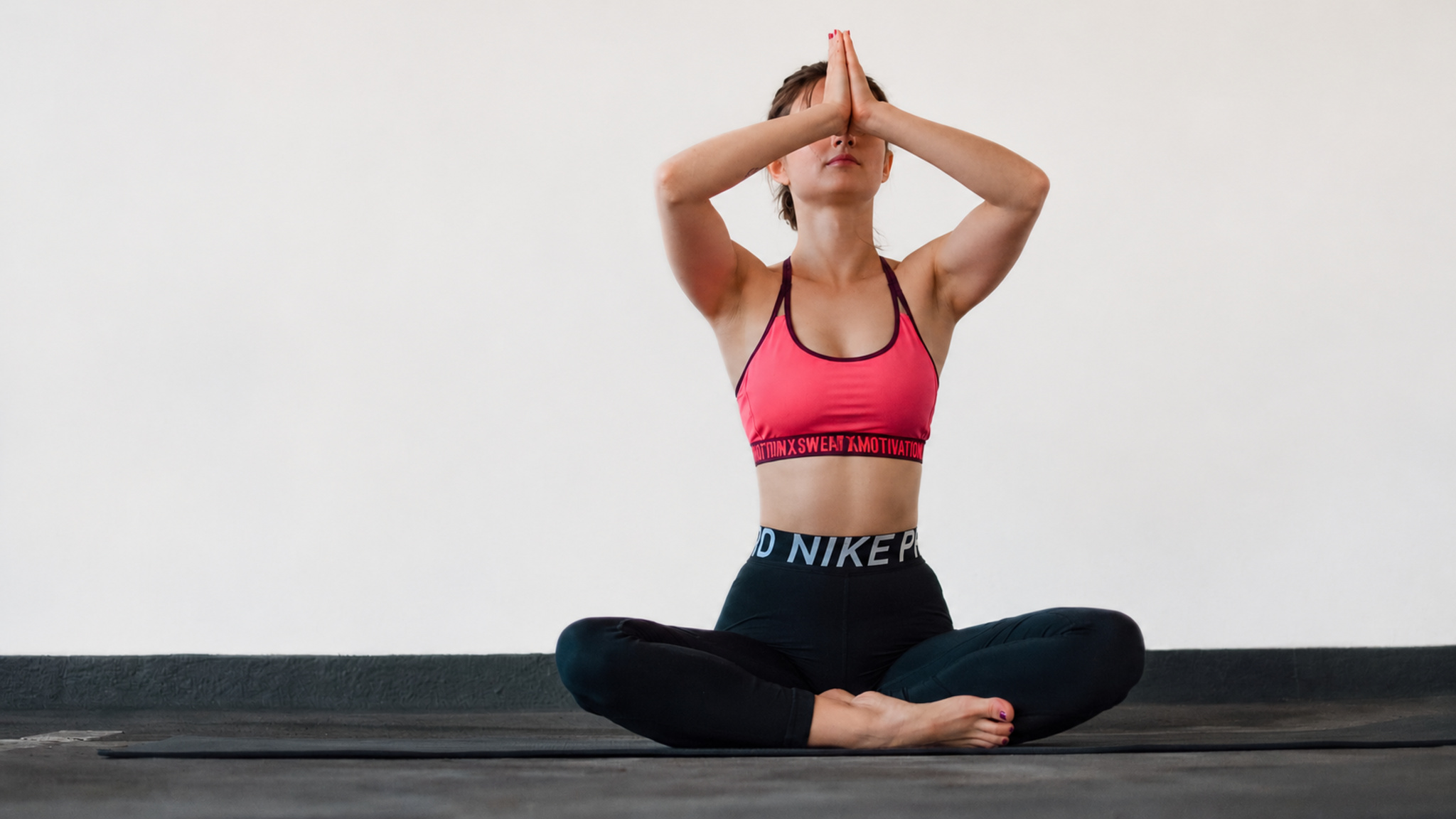
You put on a yin yoga video. People are sitting on their mats, folding forward, sometimes lying down. Nobody’s sweating or rushing from one pose to the next. “I could use an easy day,” you think. “Let’s try this.” Then you start holding a pose. The pulling sensation in your leg gets more noticeable. You want to shift, but the teacher hasn’t said to come out yet. And now you’re thinking about everything you need to get done tomorrow.
Weren’t we supposed to be relaxing? That’s the surprising thing about yin yoga. From the outside, very little seems to be happening. On the inside, you can find plenty to deal with. But how much of that difficulty comes from doing something unfamiliar, and how much comes from a position that doesn’t suit you? That’s worth paying attention to.
Less movement, more time
In yin yoga, you usually hold floor-based poses for a few minutes. You’re not constantly changing positions as you would in a more active yoga class. You settle into a pose, stay for a while, then come out slowly. Simple enough on paper. But moving into a position briefly and staying there are two different experiences.
A mild stretch can become much more noticeable as time passes. An angle that felt comfortable at first may start to feel too intense. That’s why going as deep as you possibly can right from the start may not be the best idea. You’ve left yourself very little room to adjust.
Start a little further back. Fold less, bend your knees or use a prop. If the sensation builds, you don’t have to stay exactly where you started. The hold may have a set duration. You don’t have to complete it.
Your body slows down. Your mind may take a while
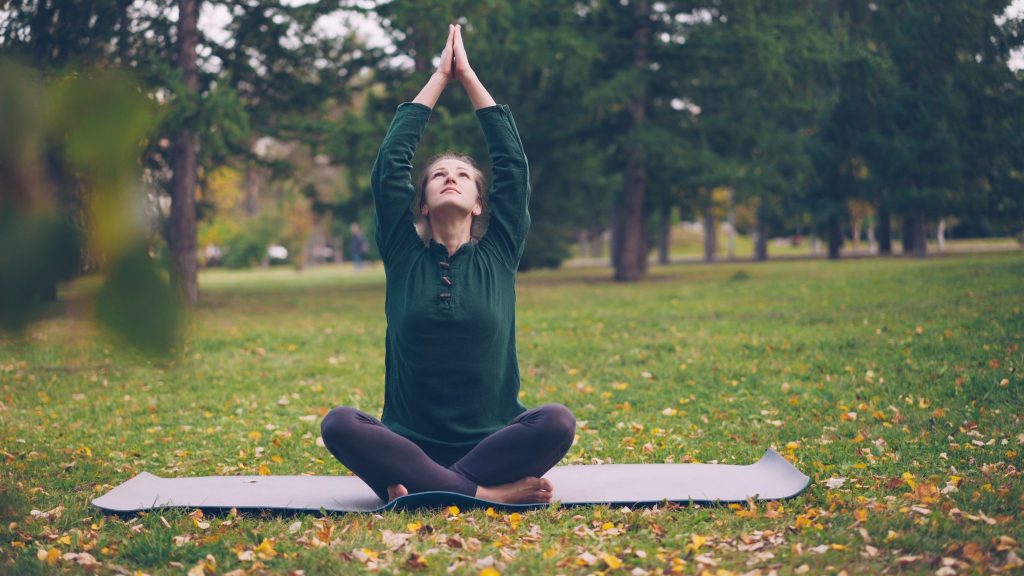
In an active class, there’s plenty to follow. Where does your foot go? How do you keep your balance? What’s the next movement? Yin yoga gives you fewer things to keep track of. Your to-do list sees an opening. You replay a conversation from the morning. You plan dinner. Then you get annoyed with yourself: “Why can’t I relax?”
There’s no need to add another job to the list. You’re not expected to keep your mind empty throughout the class. When you notice you’ve drifted off, bring your attention back to your breath or the places where your body touches the mat. If you drift off again, come back again. You might also feel bored or impatient during a quiet class. Especially if you’re used to exercise meaning constant movement, staying put can take some getting used to.
“Maybe I should go a little deeper” can get you into trouble
The person in front of you has their torso close to the floor. You’re still quite upright. You glance over and try to go a little further. But the same pose won’t look the same on everyone. Body proportions, joint structure, movement habits and previous injuries all play a part. An angle that feels comfortable for someone else might feel pinchy for you. In another pose, you might be the more comfortable one.
How close you get to the floor doesn’t tell you much on its own. These questions are more useful:
- Where do you feel the sensation?
- Does it increase as you stay?
- Can you breathe comfortably?
- Are you clenching your jaw, shoulders or hands to keep yourself there?
If you’re constantly bracing, ease back. If you have a teacher, tell them exactly where you feel it. “There’s a pinching feeling inside my knee” gives them much more useful information than “I can’t do this.”
A stretch is one thing. What about pain?
You may feel a definite stretch during yin yoga. But interpreting every sensation as “I’m loosening up, I should hold on a little longer” isn’t a good approach. You can keep an eye on a mild pulling sensation that spreads over a broad area and isn’t getting stronger. If it feels uncomfortable, you can ease off that too. You don’t need to wait until it becomes unbearable.
Come out of the pose if you feel sharp pain, stabbing, an electric sensation, numbness, tingling or pinching inside a joint. In particular, don’t treat numbness as a sign of a good stretch. Yin yoga teaching resources also advise coming out when sensations feel sharp, burning or electrical. If you’re holding your breath and counting down the seconds, you already have a reason to ease off. You don’t have to wait for the teacher to tell everyone to release. Pain that continues after you leave the pose, or keeps coming back, shouldn’t be accepted as a normal part of class either. Speak to a healthcare professional if that happens.
Use the cushion, block or blanket
Sometimes a yoga block sits beside the mat for the entire class, untouched. Using a prop can feel as though you’re not quite doing the pose properly. But supporting your head or placing something under your knees may help you avoid unnecessary tension. Everyone doesn’t need to be the same distance from the floor. If you still can’t get comfortable with support, ask for another variation. That particular pose may simply not suit you that day. And if you’re very flexible, don’t automatically settle into the deepest position you can reach and stay there. Work with your teacher to decide whether going further is useful for you.
How to make your first class more manageable
Choose a beginner-friendly class and let the teacher know you’re new. Tell them about any existing injuries, pain or movement restrictions beforehand. Some health conditions require yoga poses to be adapted. Move into each pose slowly. Your first position doesn’t have to be your final one. If the sensation changes during the hold, you can change your position too. Take your time coming out as well. After a long hold, move gradually rather than sitting straight up in a hurry. Pause briefly and notice how you feel.
And don’t expect to leave your first class feeling completely relaxed. There may be poses you enjoy and others you never quite settle into. Noticing the difference gives you something useful to work with next time. Yin yoga can feel challenging at times. But you’re not there to make that challenge bigger. Easing back, using support or coming out early are all part of the practice.
When the teacher says, “We’re staying a little longer,” your knee might have other ideas. Listen to your knee.