
How to clean a yoga mat without ruining its grip
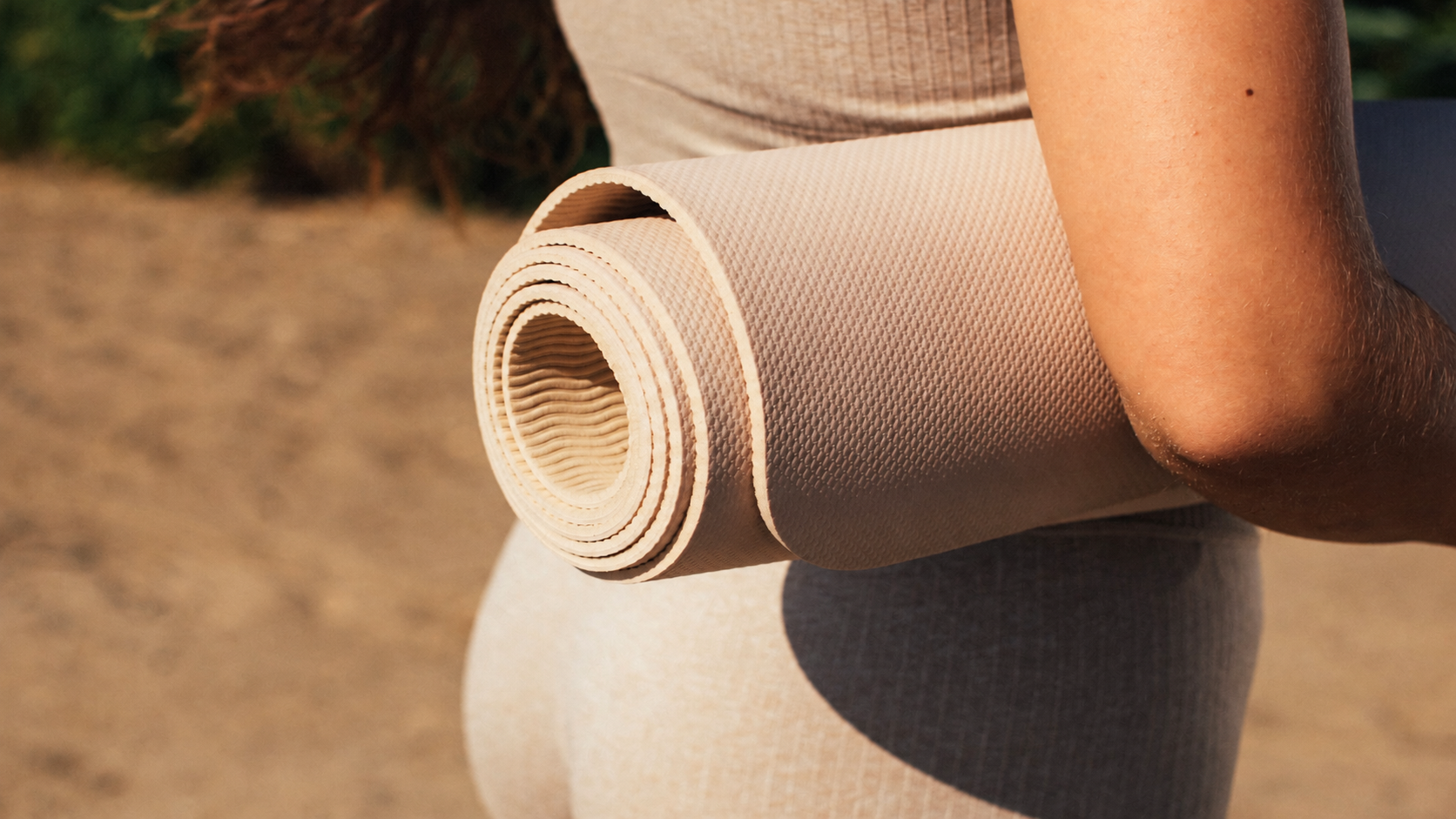
Your yoga mat can pick up sweat, skin oils, dust and dirt from the floor surprisingly quickly. If you use it regularly, cleaning it takes a little care. Over time, a thin layer of buildup can form on the surface. Your hands may start slipping, the mat may lose some of its grip, or an unwelcome smell may appear when you roll it up.
The answer isn’t to give it a generous helping of detergent. Too much soap, hot water and harsh cleaning products can damage the surface that gives your mat its grip. And if you don’t remove the detergent properly, you can end up with a cleaner-looking mat that’s even more slippery.
Do you need to clean it after every use?
You don’t need to give your yoga mat a thorough clean after every session. After a short practice without much sweating, leaving it unrolled to air out is often enough. After a sweaty workout, though, it’s a good idea to wipe the surface. If you practise hot yoga or use your mat at the gym, don’t wait for the sweat to dry on it.
For everyday yoga mat cleaning, all you need is:
- Lukewarm water
- A soft microfibre cloth
- A very small amount of mild, fragrance-free soap, if needed
Wet the cloth, then wring it out well. You want the surface to be damp, not soaked. Start with the areas your hands and feet touch most often, then gently wipe the rest of the mat. If you’ve used soap, go over it again with a second clean, damp cloth. This matters: a film of soap left on the mat can send your hands sliding during your next session.
How to give your yoga mat a deeper clean
If you use your mat frequently, or a quick wipe no longer gets rid of the smell, it may need a more thorough clean. Your first stop should be the manufacturer’s care instructions. PVC, TPE, natural rubber, polyurethane and cork-surfaced mats don’t all react to water and cleaning products in the same way. A method that suits one mat could damage another.
As a general guide, a gentle cleaning routine looks like this:
- Lay the mat flat on a clean surface.
- Dampen a soft cloth with lukewarm water.
- If the mat is very dirty, add a few drops of mild soap to the water.
- Wipe the surface in circular motions without pressing too hard.
- Remove any soap residue with a second cloth dampened with clean water.
- Gently press a dry towel against the mat to absorb excess moisture.
- Let the mat dry completely before putting it away.
If you use both sides of your mat, repeat the process on the reverse. The underside is easy to forget, but it also collects dust, hair and cleaning-product residue from the floor.
Can you soak a yoga mat?
You may have seen people washing their mats in the bath or under the shower. Some PVC mats can be washed carefully this way if the manufacturer allows it. But natural rubber, cork and mats made from bonded layers can suffer when left in water for too long. The edges may separate, the surface may become uneven, or the material may lose its flexibility.
Unless the manufacturer explicitly says it’s safe, avoid soaking your mat in the bath, rinsing it under the shower for a long time or putting it in the washing machine. It may look clean afterwards, but water absorbed into the material can take days to dry out completely. Rolling it up while damp also makes it easier for unpleasant smells and bacteria to develop.
Can you use vinegar, alcohol or essential oils?
Search for ways to clean a yoga mat and you’ll find plenty of homemade recipes involving water, vinegar and essential oils. These mixtures may work on some mats, but that doesn’t make them safe for every surface. Vinegar can make certain materials stiffer over time. Alcohol-based products and strong disinfectants can wear away the surface coating. Harsh cleaners such as bleach can damage both the colour and the structure of the mat. Essential oils may smell pleasant, but they can leave an oily film that reduces grip.
Avoid experimenting with homemade mixtures, especially on natural rubber and open-cell polyurethane mats. The safest option is a cleaner recommended by the manufacturer. If no product is specified, stick to water and a very small amount of mild soap. When trying a new cleaner, test it on a small, less visible area before applying it to the whole mat.
Why does a yoga mat get slippery after cleaning?
The most common reason a freshly cleaned mat feels slippery is too much detergent. Soap that hasn’t been fully removed leaves a thin, invisible film. The mat may seem clean to the touch, but your palms start sliding forwards in plank or downward-facing dog. If that happens, don’t add another round of soap. Instead, wipe the surface several times with a clean, damp cloth, rinsing and wringing it out after each pass. Then let the mat dry completely.
If it’s still slippery, cleaning may not be the cause. The surface may have worn down, the grippy coating may have deteriorated, or hand cream and body oil may have worked their way into it. Applying moisturiser just before a session can make even a normally grippy mat slippery. We’ve covered slipping caused by the mat itself in a separate guide: how to stop your yoga mat from slipping.
Drying your yoga mat properly matters just as much as cleaning it
One of the most common mistakes is rolling a mat up before it’s dry. Trapped moisture can cause unpleasant smells and may make the material deteriorate faster. Drying it in direct sunlight isn’t a good option either. Prolonged exposure to sun and high temperatures can cause discolouration, hardening and cracking, particularly in natural rubber mats. For the same reason, keep it off radiators and resist the urge to speed things up with a hairdryer.
The best approach is to lay the mat flat in a shaded, well-ventilated spot or drape it loosely over a wide drying rack. Once both sides are completely dry, you can roll it up and put it away. The US Environmental Protection Agency also recommends drying wet materials within 24–48 hours to help prevent mould. Good airflow is the most effective way to shorten that drying time.
How often should you clean your yoga mat?
There’s no single cleaning schedule that suits everyone. It makes more sense to go by how often you use your mat and where:
- With light use, wiping the surface once a week may be enough.
- If you work out several times a week, give it a quick clean after sweaty sessions.
- After hot yoga, wipe the mat without leaving it sitting around.
- Mats used at the gym, in a studio or outdoors need more frequent cleaning than those used only at home.
- If there’s a smell or a shiny film where your hands usually go, it’s time for a clean.
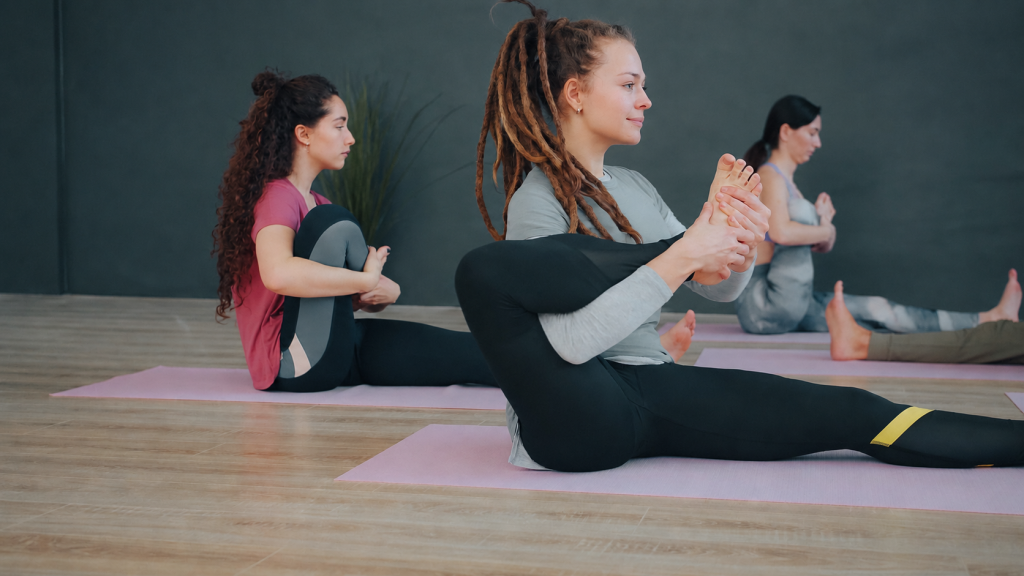
Constantly using strong cleaners can cause just as many problems as never cleaning your mat. The aim is to remove sweat and dirt while being as gentle as possible on the material.
Small care habits help your mat last longer
If possible, wash your hands and feet before starting yoga, and avoid stepping onto your mat in shoes. When the weather is good, taking your practice outdoors can be lovely. You can bring your mat to the beach, a park or a green space, or join an outdoor group. Just check the ground before rolling it out. Sharp stones, twigs and rough surfaces can damage the underside.
After a session, give your mat a wipe before rolling it up. Sand and small stones trapped inside the roll can rub against the surface and gradually wear it down. Avoid leaving it in the car for long periods, too. High temperatures inside a car in summer can speed up the deterioration of foam and rubber. When you’re not using your mat, keep it loosely rolled in a cool, dry place.
The safest way to clean a yoga mat is fairly simple: a little water, a little soap, a soft cloth and enough patience to let it dry. Focus on leaving no residue behind rather than making it smell nice. That way, you keep it hygienic without losing the grip you need during your practice. If you mostly use your mat at home, building these care habits into your home yoga routine makes them easier to stick to.