
Garmin vs Apple Watch: Which One Should You Actually Buy?
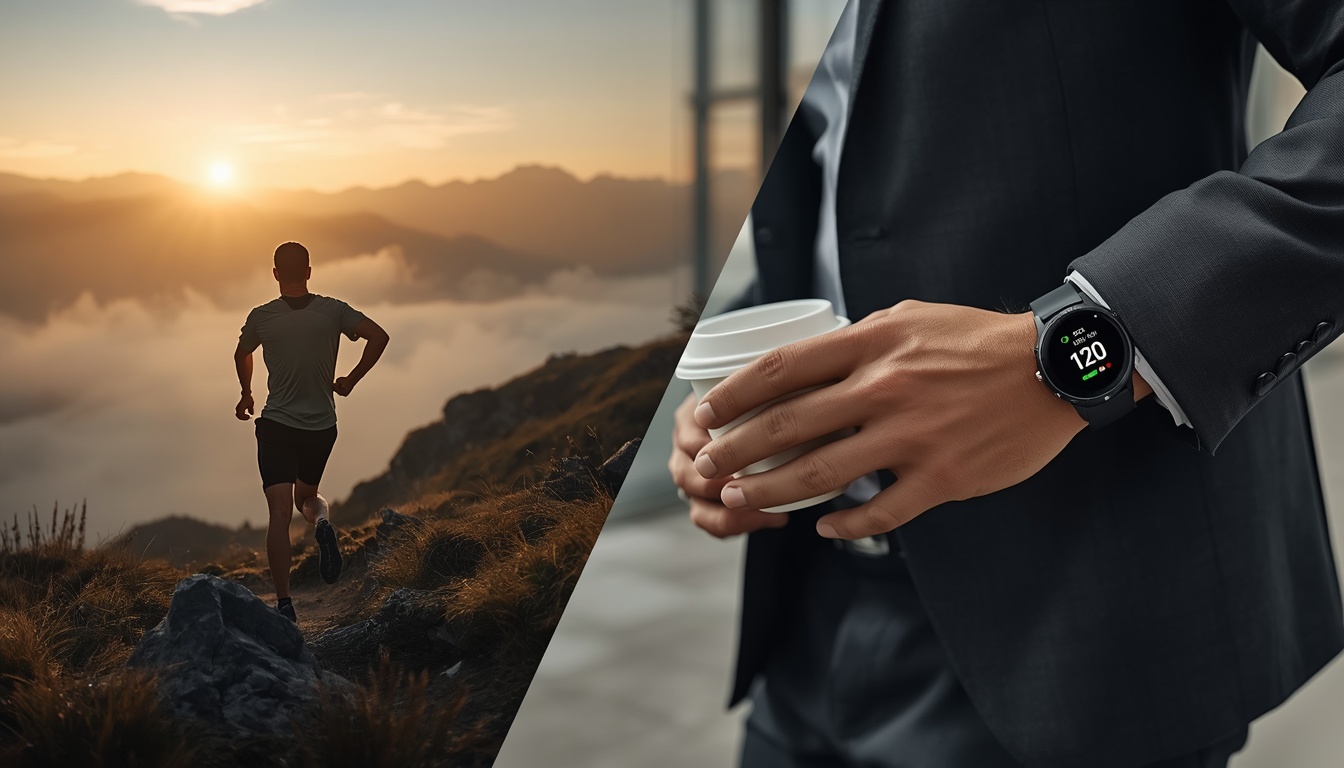
Something funny happens when you start running. At first, all you want is a comfortable pair of running shoes. Then other models start catching your eye. Before you know it, you’re browsing technical shirts and socks for different seasons.
Then comes the thought: “I can’t even listen to music properly on my runs.” So you start researching headphones and eventually buy a pair. Next on the list? A watch. And that’s when the same two names keep coming up: Apple Watch and Garmin.
You’ll find thousands of videos and articles comparing them. If you use Instagram, you’ve probably seen the Garmin jokes, too. There are endless posts about Apple Watch congratulating you after a workout while Garmin keeps pointing out everything you could have done better. Most of it is exaggerated, of course.
The trouble is, many of the people making these comparisons already use one of the two brands. That can make it harder to stay objective. Honestly, asking “Which one is better?” isn’t the most useful way to compare Apple Watch and Garmin. They weren’t really designed with the same main purpose in mind.
Yes, they’re both watches we wear on our wrists. Both measure heart rate. Both have GPS. And both can track workouts.
But one is primarily designed to be a capable smartwatch, while the other is primarily built to offer athletes an advanced training watch. Once you make that distinction, choosing becomes a lot easier.
Garmin or Apple Watch? Ask Yourself This First
Before buying a watch, most of us check the price first. Then we try to find the best model within our budget. Naturally, our phone’s ecosystem plays a part, too.
Battery life is usually the next thing we look at. But the first question should really be this:
What will I mainly use this watch for throughout the day?
Your answer will point you toward the right device. Let’s say you use an iPhone. During the day, you check messages, answer calls on your wrist, control your music, and squeeze in a workout after work. For that kind of routine, an Apple Watch could easily give you everything you need.
Now let’s change the picture.
You run four or five days a week. You’re training for a race. After that, you want to go further—perhaps a half marathon, maybe even a marathon. You enjoy digging into your training data after a run, looking for answers to questions like “Should I do intervals today?” or “Have I recovered yet?”
That’s where Garmin’s advantages start to become clear. When choosing a watch, your priorities should start with what you need it to do, rather than the brand name. And although Garmin is closely associated with running watches, it’s worth remembering that it also offers models and activity profiles developed for cycling, swimming, trekking, triathlon, and plenty of other sports.
Garmin vs Apple Watch: Battery Life
Models may change, but Apple Watch generally has shorter battery life than Garmin.
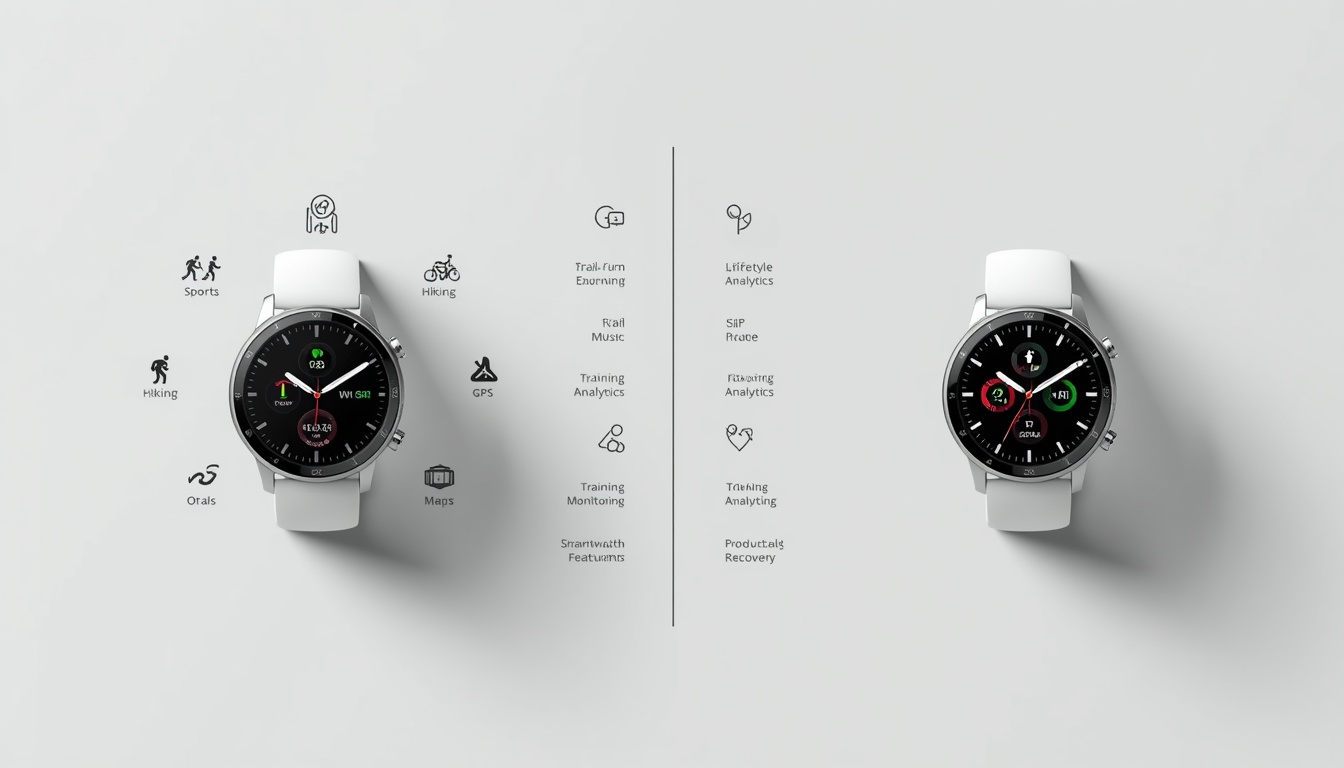
I’ve used two different Apple Watches, and I still use one of them. At first, battery life wasn’t a big deal to me. But once you compare it with competing models, the difference becomes hard to ignore.
On Garmin’s side, there are models that can last for weeks on a single charge. If you spend long stretches outdoors, that’s a serious advantage. When you’re using GPS and maps somewhere without phone reception, you don’t want “Will my watch last?” running through your head the whole time. This is where Garmin’s long battery life really earns its place.
With Apple Watch, many users get into the habit of charging every evening or every other day. Of course, sticking to basic features can stretch that a little further.
For some people, this doesn’t matter at all. For others, it’s enough to change their buying decision. The question is simple: is it a problem for you?
If the answer is yes, Garmin may make more sense.
Is Garmin’s GPS Accuracy Really Better?
There’s a Turkish saying that roughly means “Give credit where it’s due.”
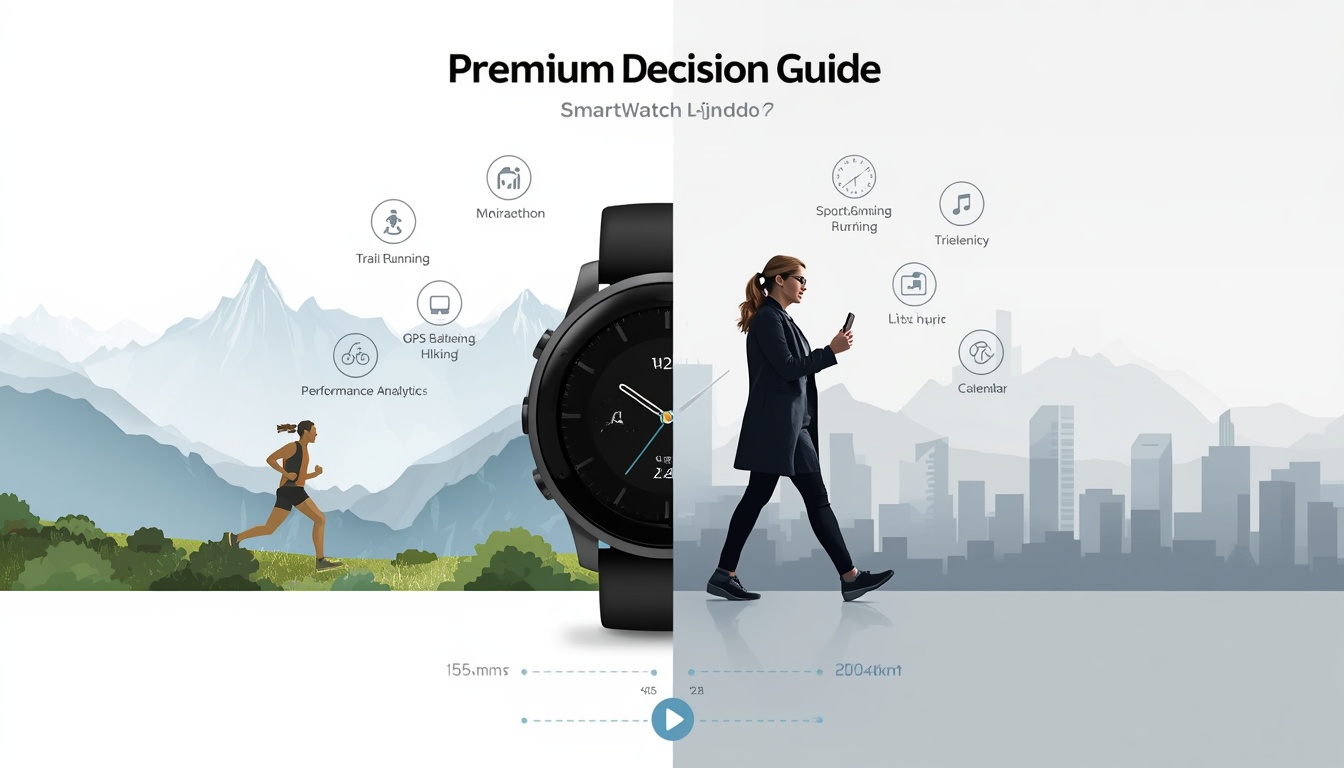
A few years ago, the answer to this question was fairly clear. Garmin was comfortably ahead on GPS. But Apple has made real progress since then. The Apple Watch Ultra series, in particular, delivers very good GPS accuracy.
If, like me, you run in open areas and on straightforward routes, you’re unlikely to notice much difference in everyday use. Garmin does have an important advantage here, though. It doesn’t just show your route; it offers a much wider set of running and training data:
- Current pace
- Average pace
- Cadence
- Elevation
- Heart rate zones
- Ground contact time
- Vertical oscillation
- Recovery time
- Training load
- VO₂ Max
- Training Readiness
- HRV Status
If most of those terms are unfamiliar—or, honestly, just don’t interest you—you may not need Garmin’s advanced sports features right now. But if running has become a serious hobby and you want to keep improving, Garmin starts to make a lot more sense. Our base training guide explains what this kind of data means for your training plan.
Why Does Apple Get So Much Praise for Health Tracking?
So far, we’ve talked about Garmin’s strengths. Does Apple have areas where it stands out? Absolutely.
Apple deserves credit for its strong health features. Apple Watch offers plenty of tools that can be useful in daily life, including:
- ECG
- Irregular heart rhythm notifications
- Fall detection
- Sleep stage tracking
- Temperature change tracking
- Medication reminders
Garmin takes a different approach. Its focus is more on helping you improve your performance than putting together a health report.
If your HRV is low when you wake up, it tells you. If your training load is too high, it flags it. If you haven’t fully recovered, it suggests getting a little more rest.
Apple aims to help you live a healthier life, while Garmin aims to help you become a better athlete.
What About the Display?
There’s no need to spend ages on this one. Apple Watch still has one of the best displays in the industry. Animations are smooth, and the touchscreen experience is excellent.
Garmin has made considerable progress in recent years by introducing AMOLED displays. Newer models in the Forerunner and Fenix ranges, in particular, have very good screens. Even so, it’s fair to say Apple Watch still has a slight edge in the overall display experience.
Out on a run, though, being able to read the screen in sunlight matters more than how vivid it looks. With its sports-focused design, Garmin performs well here, too.
Price Often Gets Overlooked
Many of us fall into the “If it costs more, it must be better” mindset. But how much sense does it make to spend thousands of extra lira on features we don’t actually need? If you’re still running 5 or 10 kilometres at a time, I wouldn’t recommend jumping straight to Garmin’s top-end models just because they’re the best in the range.
Likewise, if you’re training for a marathon and want detailed analysis of your training data, a smartwatch designed mainly for everyday use may not be the most suitable choice.
Considering electronics prices here in Türkiye, choosing a model you can use for years makes sense. That doesn’t mean you need to buy the most expensive watch as a beginner. A better approach is to choose with the level you hope to reach over the next few years in mind, rather than looking only at where you are today.
The Final Decision: Garmin or Apple Watch?
If smartwatch features are central to your daily routine, you actively use the iPhone ecosystem, and exercise is mainly part of staying healthy, an Apple Watch will probably leave you very happy. But if running and outdoor sports have become a big part of your life, you have race goals, and you want to improve by analysing your data, I’d lean toward Garmin.
Of course, if budget isn’t a constraint, you could use both watches for different purposes. But if you’re choosing just one, take a look at yourself before you start comparing logos.
Because the right watch isn’t the most expensive one. It’s the one that best fits your needs.
For more guides to sports watches, GPS devices, and other tech, browse our Sports Technology category. And if you want to check the pace shown on your watch or work out a target pace for a race, our running pace calculator can help.