
What Are Clipless Pedals? What to Know Before Making the Switch
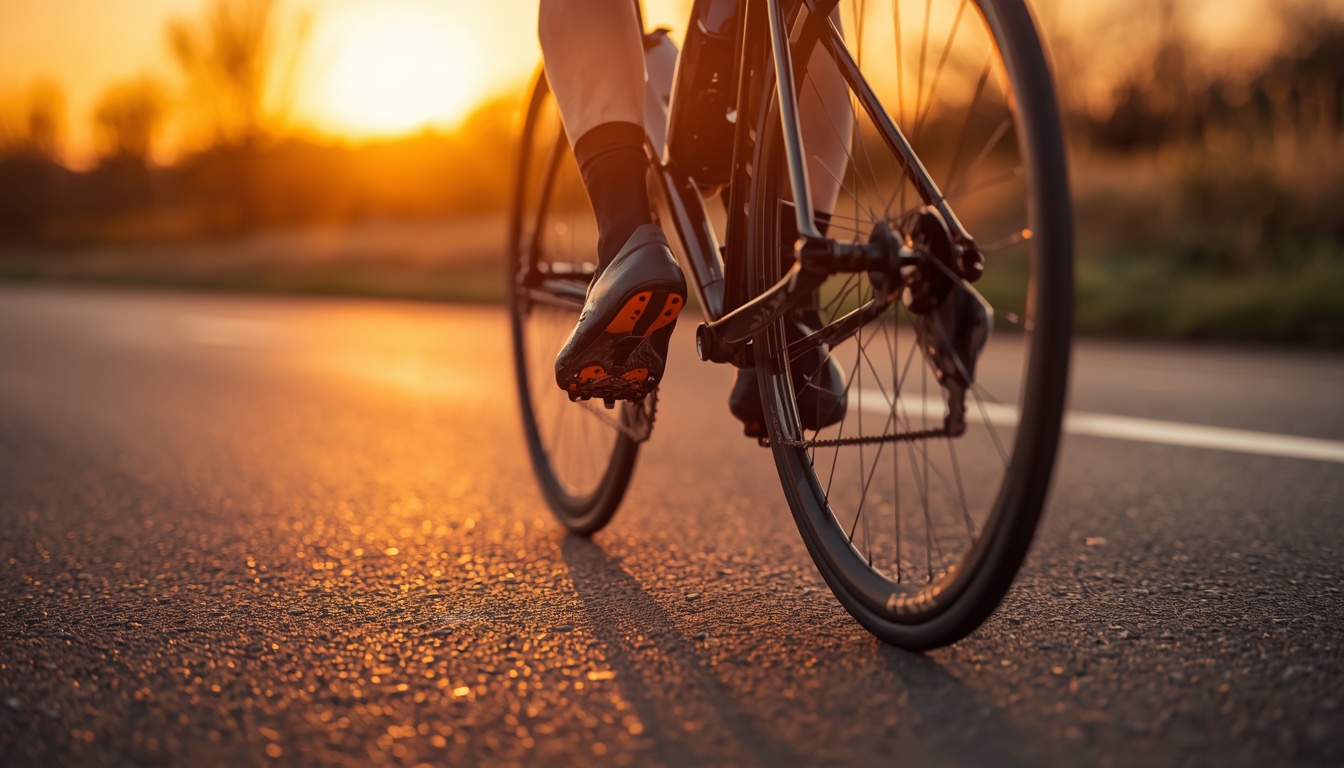
Once you start taking a closer interest in cycling, you might notice that road and gravel riders seem to have their feet practically glued to the pedals. That’s down to a system called clipless pedals.
The name can be a little confusing. “Clipless” suggests there’s nothing holding your foot in place, yet your shoe actually locks into the pedal. So why call it clipless?
The reason is historical. Cyclists used to secure their feet with metal toe clips and straps. When newer pedal systems came along, those toe clips disappeared. The pedals became “clipless”, and the name stuck.
So what exactly are clipless pedals? Are they really more efficient? Should beginners use them? And can they make you fall over? Let’s take a closer look.
What Are Clipless Pedals?
Clipless pedals use a small component called a cleat, attached to the sole of a dedicated cycling shoe, to lock the shoe into the pedal.
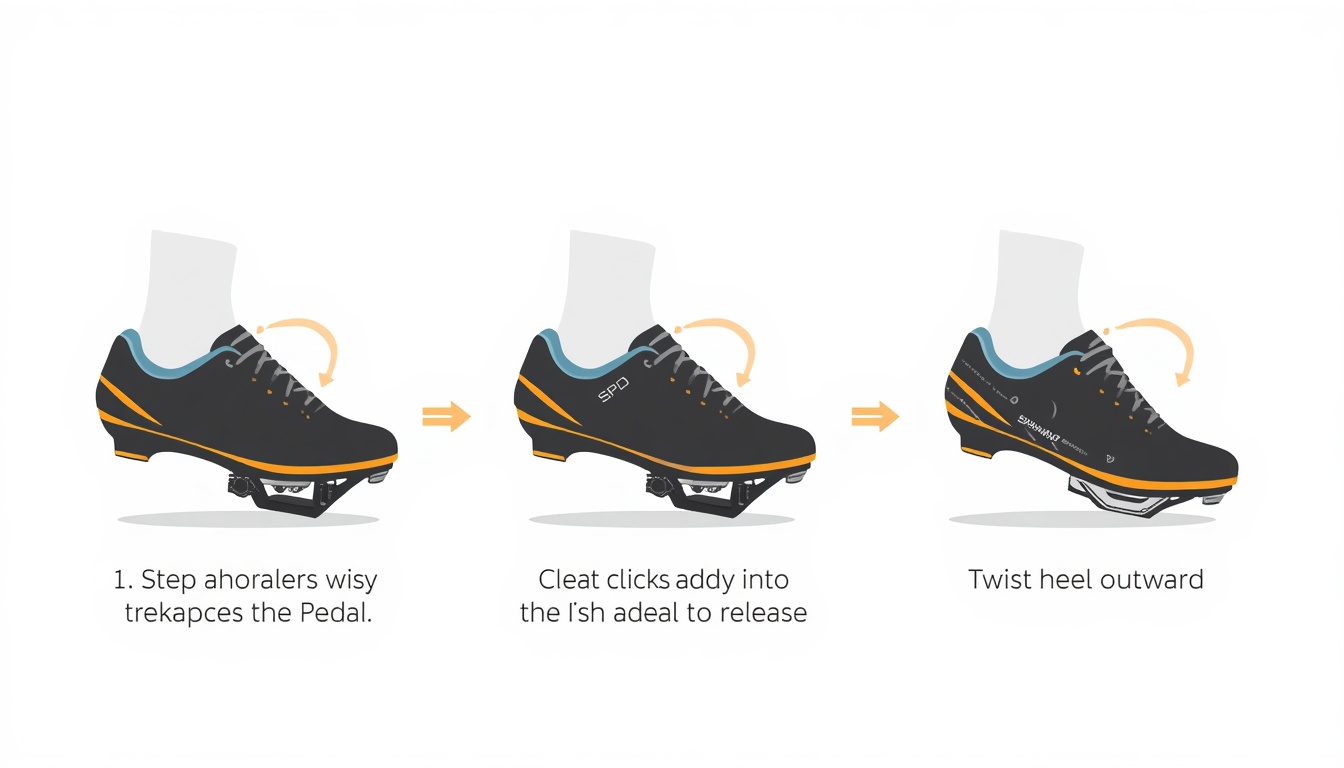
Press your shoe onto the pedal and you’ll hear a little “click” as it engages. To release your foot, twist your heel slightly outwards. It might seem complicated at first, but the movement soon starts to feel natural.
Why Use Clipless Pedals?
For most of us, performance is the first thing that comes to mind.
With regular flat pedals, we produce power by pushing down. With clipless pedals, the connection between your shoe and the pedal makes your pedalling more controlled. The system helps:
- Keep your foot in a consistent position.
- Make your pedalling technique smoother.
- Prevent your foot from slipping off during sprints.
- Improve pedal control on rough surfaces.
It used to be widely believed that pulling upwards also produced a significant amount of power. More recent research suggests the main benefits have more to do with a consistent foot position and a more efficient pedalling action. Another part of that equation is cadence, or how quickly you turn the pedals.
Clipless Pedals vs Flat Pedals
With a normal flat pedal, you can lift your foot off whenever you like. With clipless pedals, your shoe is attached to the pedal. You need to twist your heel sideways to release it.
That can sound a little intimidating. Honestly, even I still find the idea slightly unnerving. But don’t let it put you off: most riders get comfortable with the system after a few practice sessions.
The real difference is the sense of control. Your foot won’t accidentally leave the pedal during a sprint, on a climb or over rough ground. Here’s a small memory from my childhood. Once, while pedalling quickly, my foot slipped and the spinning pedal hit my right calf pretty hard. Years later, I still have the scar.
What’s the Difference Between SPD and SPD-SL?
Of course, things get a little more complicated here. Once you start looking into clipless pedals, you’ll come across two different systems.
| SPD | SPD-SL |
|---|---|
| Commonly used for gravel riding, mountain biking, bikepacking and touring | Mainly used for road cycling |
| Smaller cleats | A wider contact area |
| Fairly comfortable to walk in | Performance-focused, but quite difficult to walk in |
This might explain those road cyclists you’ve seen waddling through cafés like ducks.
Can Clipless Pedals Make You Fall Over?
The answer is a big yes. There are hundreds of funny videos online to prove it.
There’s a good chance you’ll take a tumble at least once during those first few days. Don’t worry: these falls usually happen at very low speeds. The sequence often goes something like this:
- You forget you’re about to stop.
- You leave unclipping too late.
- You and the bike slowly tip sideways.
It’s a classic experience that almost everyone who rides clipless seems to have had.
Are Clipless Pedals Difficult to Learn?
Not really. The first few attempts can feel strange, but you soon get used to them. Practising in an empty car park or on grass can help you feel much more comfortable. Even a few hours of practice can make a big difference.
Who Should Use Clipless Pedals?
In my view, the following riders can get a lot out of a clipless setup:
- Road cyclists
- Gravel riders
- Anyone preparing for a race
- Long-distance cyclists
- Riders looking to improve their FTP
- Anyone using an indoor trainer
Who Might Not Need Them?
Not everyone needs clipless pedals. If you:
- ride short distances around town,
- mainly use your bike for transport,
- spend a lot of time stopping and starting,
a good pair of flat pedals will comfortably cover your needs.
Tips for Your First Rides
Don’t head straight out on a long ride on day one. Instead:
- Reduce the pedal’s release tension.
- Practise clipping in and out while supporting yourself against a wall.
- Practise stopping and starting in an open area.
- Repeat the unclipping movement until it becomes a reflex.
These small exercises make the learning process much easier. We also discussed how cleat position affects riding comfort in our article on saddle pain.
Would I Switch to Clipless Pedals?
If I were riding a road or gravel bike, I probably would. But I wouldn’t do it on the first day. I’d get used to the bike, settle into my riding position and develop the basic reflexes first. Switching to clipless pedals afterwards makes more sense to me.
That’s not a fixed rule, of course. You can use clipless pedals right from the start if you want to. I’d simply prefer to keep the number of things I’m learning at once to a minimum.
So, Are Clipless Pedals Right for You?
Clipless pedals can look a little intimidating at first. The idea of locking your feet to the pedals can be especially unsettling for beginners. But once you learn to use them properly, the control, pedalling efficiency and riding confidence they offer help explain why millions of cyclists around the world choose them.
Still, if your only goal is to go faster, don’t pin all your hopes on a pair of pedals. Real improvements come from combining good technique, regular training and suitable equipment. Ask yourself one final question:
Am I riding mainly to get from A to B, or do I want to improve my cycling performance?
Your answer will go a long way towards deciding whether you really need clipless pedals. For more on gravel riding, maintenance and training, visit our cycling category. To explore how gearing fits into your pedalling and cadence, take a look at our bike gear ratio calculator.