
What Is a Gravel Bike? Why Has It Become So Popular in Recent Years?

Imagine the last time you owned a bike was back when you were a child. Years have passed, and one morning you wake up thinking, “What if I started cycling again?”
You want to spend more time outdoors, get a break from sitting at a desk all day and perhaps lose a few kilos along the way. First of all, I think that’s a great decision.
So you open Google and search for “types of bikes” or “which bike should I buy?” Suddenly, dozens of options appear.
Mountain bikes… Road bikes… Electric bikes… And then a category you haven’t come across before: gravel bikes.
You click out of curiosity. At first glance, it looks like a road bike, but not quite. The tyres are wider. The frame looks different. You start wondering, “Is this a road bike or a mountain bike?”
And just like that, you’ve started exploring another corner of the cycling world. If this story sounds familiar, let’s look at why gravel bikes have become one of the most popular bike categories in recent years.
What Is a Gravel Bike?
In the simplest terms, a gravel bike is a cross between a road bike and a mountain bike. It’s comfortable on paved roads, but it also lets you ride confidently on:
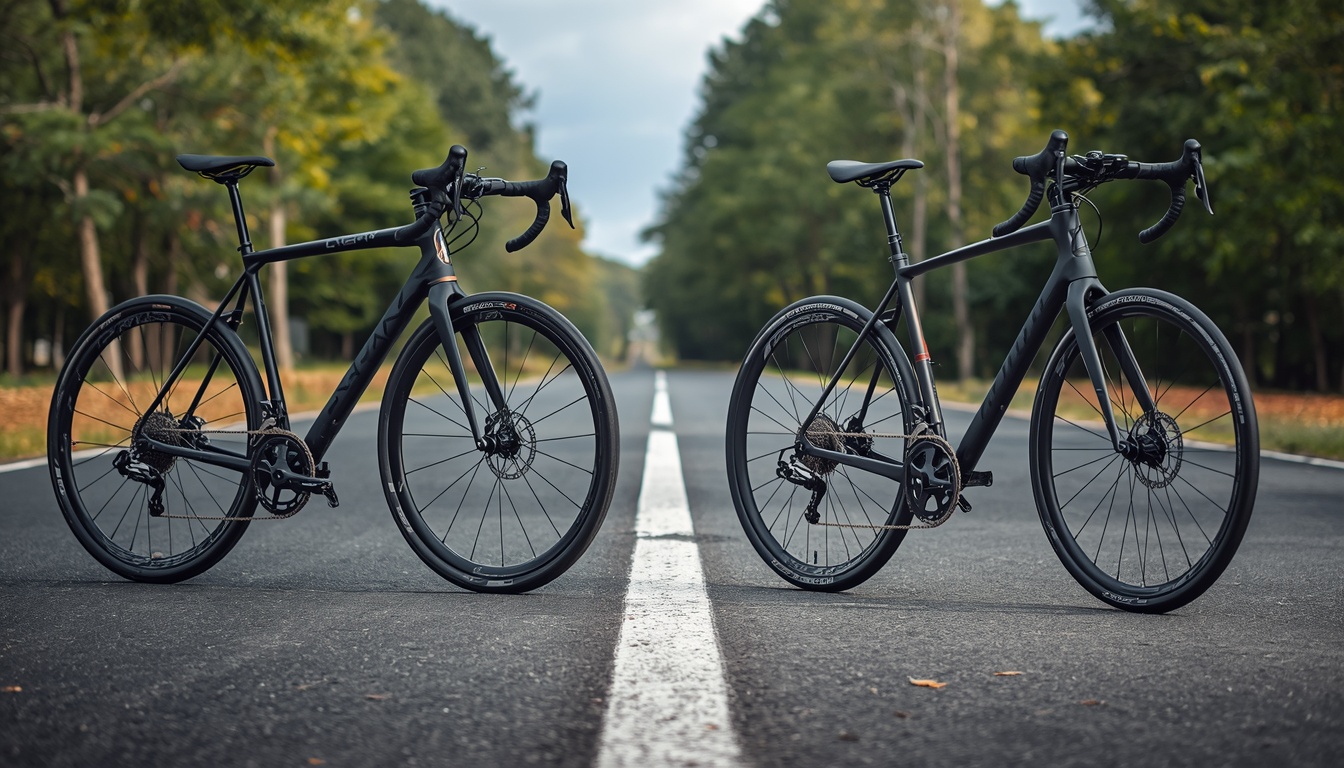
- Compacted unpaved roads
- Dirt roads
- Forest trails
- Gravel roads
- Mild off-road terrain
The name comes from gravel: the loose stones you’ll often find on unpaved roads.
So if you want to keep going when the tarmac ends, that’s exactly what a gravel bike is designed for.
Why Were Gravel Bikes Developed?
Choosing used to be simpler. You bought a road bike or a mountain bike.

Over time, though, plenty of riders found themselves somewhere between those two options. Not every ride stayed entirely on tarmac. Sometimes the pavement ended and a compacted gravel road began. Sometimes a route took you along country lanes, or you wanted to spend the weekend riding through the forest.
This was where a road bike started to struggle. A mountain bike, meanwhile, could feel unnecessarily slow and tiring once you were back on paved roads. Gravel bikes were developed to fill that gap: one bike that makes riding enjoyable across as many surfaces as possible.
How Is a Gravel Bike Different from a Road Bike?
At first glance, the two look very similar. Both have curved handlebars, known as drop bars. If you’re not familiar with the details, they can easily look like the same category. Look a little closer, though, and some important differences appear.
Gravel bikes have:
- Wider tyres.
- More relaxed frame geometry.
- More clearance between the tyres and frame.
- The option to run lower tyre pressures.
- More mounting points for bags and accessories.
All of this makes for a much more comfortable experience, especially on rough tarmac and longer rides. We’ve covered other factors that affect comfort over longer distances in our article on cycling saddle pain.
If you really want to feel the difference, find a rough stretch of paved road. Here in Türkiye, I don’t think the search will take very long. Ride it first on a road bike, then on a gravel bike. You’ll probably understand the appeal pretty quickly.
How Is a Gravel Bike Different from a Mountain Bike?
You might be thinking, “If we’re riding on rough roads, why not just buy a mountain bike?” Because mountain bikes are designed for much more demanding terrain.
Rocks… Roots… Mud… Steep descents… Technical trails…
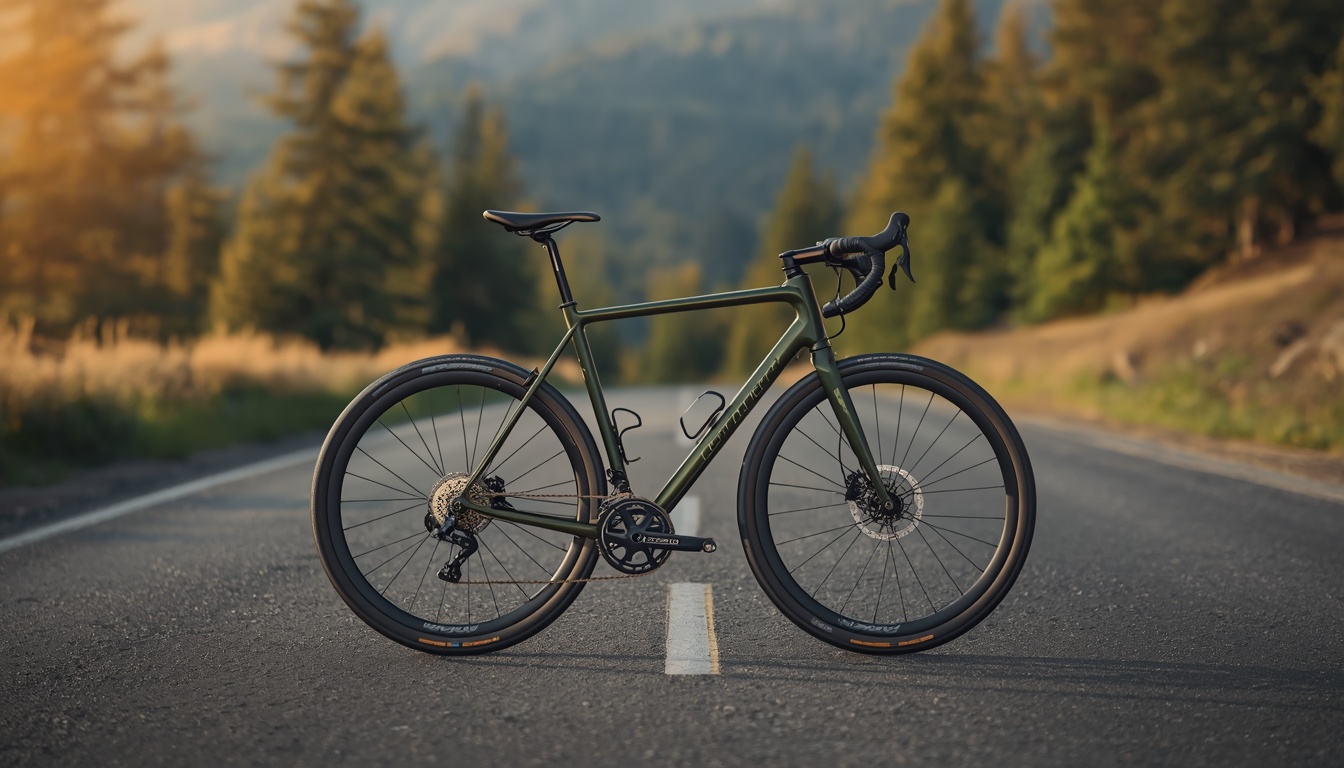
A gravel bike isn’t designed for those conditions. Its intended territory is rough tarmac, compacted unpaved roads, gravel roads and forest roads.
That’s why its performance on paved roads is noticeably better than a mountain bike’s. As the terrain gets tougher, the advantage shifts back to the mountain bike. For some reason, gravel bikes always remind me of those old Toros cars. They handle tarmac. They handle rough roads. They handle village roads. They just quietly get on with the job.
That’s how I see gravel bikes too. They may not be the best on any single surface, but they won’t leave you stranded on plenty of them.
Why Have Gravel Bikes Become So Popular?
For me, the biggest reason is the feeling of freedom. You don’t have to turn around when the tarmac ends. You don’t need to change your route just because a dirt road appears. Instead, you can keep going and see where the road takes you. The second reason is comfort. Compared with a road bike, wider tyres and a more relaxed riding position make a real difference over longer distances.
Another reason is the rapid growth of bikepacking in recent years. Long-distance cycling trips are becoming more common both around the world and here in Türkiye. Gravel bikes suit that kind of riding well. They can carry bags, cover different surfaces and keep you riding comfortably for hours.
Who Is a Gravel Bike Suitable For?
I think these riders are particularly likely to enjoy a gravel bike:
- People who go on long weekend rides
- Riders who combine paved roads with dirt roads
- Anyone planning to try bikepacking
- People who want one bike for several surfaces
- Riders who value comfort
Who Might It Not Suit?
Not every bike suits everyone. If your only goal is maximum speed on paved roads, a gravel bike may not quite give you what you want. A road bike would be the better choice in that case.
At the other end of the scale, if you plan to spend all your time on technical trails, a mountain bike makes much more sense. A gravel bike sits right between those two worlds.
Can You Ride a Gravel Bike in the City?
Absolutely. We’ve started seeing plenty of gravel bikes on waterfront routes at the weekend too. There are good reasons for that:
- They’re more comfortable on rough tarmac.
- Potholes have less of an impact.
- Kerb transitions are easier to handle.
- The risk of punctures is lower.
That makes them a very capable option for city riding as well.
Can You Take a Gravel Bike on Long Tours?
The answer is definitely yes. Many models already come with:
- Bag mounting points
- Bottle cage mounts
- Mudguard mounts
- Rack mounting points
That’s why many people heading out on longer cycling tours now choose a gravel bike.
Is a Gravel Bike a Good First Bike?
I think it can be. The drop bars make many people assume gravel bikes are difficult for beginners. But you could make the opposite argument too.
When you’re starting out, you don’t yet know which kind of riding you’ll enjoy most. Maybe paved roads… Maybe forest roads… Maybe long tours…
A gravel bike gives you the freedom to try all of those. That’s why I think it’s a sensible option for a first bike. If you want to maintain your riding volume during winter, an indoor trainer can help too.
Which Bike Would I Choose?
If I could buy just one bike today, I’d probably choose a gravel bike. Neither a road bike nor a mountain bike alone gives me quite the same freedom. The idea of riding on tarmac today and heading onto a forest road tomorrow really appeals to me.
And given that I live in Istanbul, the rough roads make a gravel bike feel like a more reassuring choice too.
Final Thoughts: Is a Gravel Bike Right for You?
Gravel bikes have become one of the most popular bike categories in recent years. It isn’t simply a passing trend. They genuinely meet a lot of riders’ needs. If you’re going to own one bike and want to use it around town, on weekend rides and beyond the end of the tarmac, a gravel bike could be a very good fit.
Still, before buying a bike, I’d suggest asking yourself one question: “Where will I ride this bike most often?” Your answer will help you choose the right type. Whatever that answer is, one thing stays the same:
Turning the pedals is always a good thing.
Not sure whether cycling or another sport is right for you? Our Find Your Sport quiz uses 7 questions to suggest sports that match your preferences and show you where to get started in your province in Türkiye.
For more articles on road bikes, maintenance and training, explore our Cycling category. If you’d like to compare the gear ranges of compact, semi-compact or 1x setups, try our bicycle gear ratio calculator.