
How to Stay Warm While Cycling in Winter: What to Wear and What Actually Works
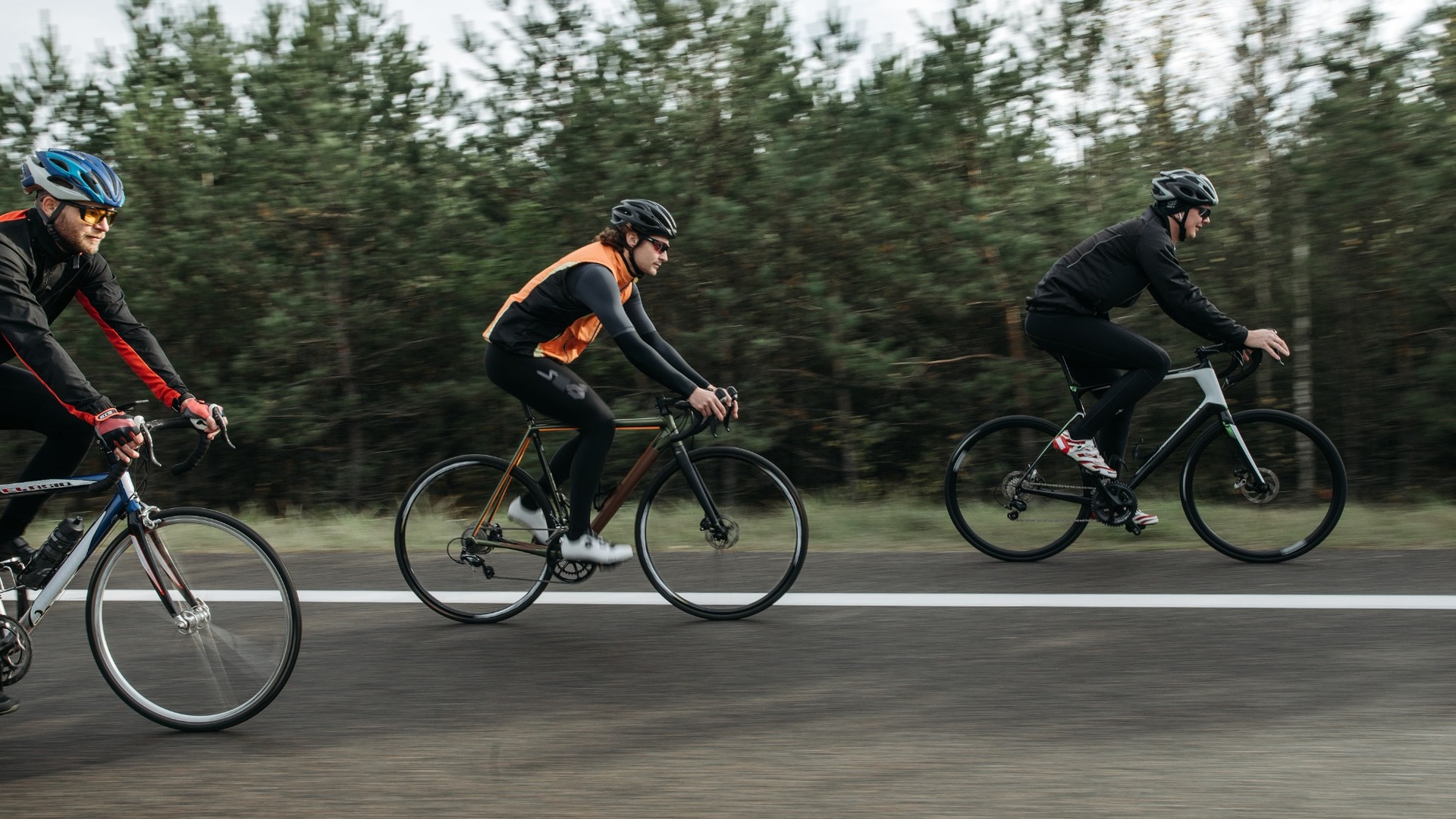
It’s 7°C outside. You’ve decided to go for a bike ride, so you grab your jacket, put on your gloves, and add an extra layer just to be safe. After all, it’s cold out there. Better to be prepared, right? The first few kilometres feel great. Then you hit a climb, and suddenly your back is covered in sweat. A little further down the road, you reach a long descent. That’s when you realise the jacket that kept you so warm a few minutes ago isn’t doing much to help anymore. Meanwhile, your toes have already given up on the whole adventure. Winter cycling can be a bit like that.
You leave home convinced you’ve dressed perfectly for the weather, only to discover that things work differently once you’re on the bike. And it’s not just about the temperature. Wind, sweat, riding intensity, and even the hills along your route can make a huge difference to how cold you feel.
So, what should you actually wear when cycling in winter? How do you keep your hands and feet warm? And what should you watch out for when riding in rain or strong winds? Let’s figure out how to keep enjoying our bikes when the temperatures drop.
Why does it feel so much colder when you’re cycling?
You check the weather before heading out. Let’s say it’s 8°C. Walking around in that temperature might feel perfectly manageable. But get on a bike, start pedalling, and suddenly those 8 degrees feel like something else entirely. One of the main reasons is airflow. As you ride, the air moving past your body carries away the layer of warmth your skin naturally creates. And when you’re riding straight into a headwind, you feel that cooling effect even more.
Then there’s sweating. When you’re climbing a hill, your body works harder and produces more heat. You start sweating, which is completely normal. But once you reach the top and begin descending, you’re no longer generating as much heat. If your clothes are damp, the cold air can make you feel uncomfortable pretty quickly.
So the real challenge of winter cycling isn’t simply dealing with cold weather. It’s finding the right balance between the heat your body produces and the heat it loses. That’s why choosing winter cycling clothing based only on how thick or warm it looks isn’t always a great idea.
Wearing more clothes isn’t always the answer
When the temperature drops, our first instinct is usually to put on something thicker. Makes sense for everyday life. On a bike, though? Not always. Imagine heading out for a fairly intense 30-minute ride wearing your warmest winter jacket.
At first, everything feels wonderful. You’re warm, comfortable, and feeling pretty pleased with your decision. Ten minutes later, things change. Your body starts heating up, and you begin sweating inside your jacket. If the fabric doesn’t allow enough moisture to escape, that sweat stays trapped. You unzip the jacket. Maybe you even feel like taking it off. But now the cold wind is hitting you. Not exactly the result you were hoping for. This is why wearing several lighter layers often works better than relying on one thick jacket.
Your first layer: don’t let sweat become the problem
The clothing directly against your skin has an important job. It needs to help move sweat away from your body instead of allowing moisture to build up. Technical synthetic fabrics and merino wool are popular choices for this reason.
But what about your favourite cotton T-shirt? Unfortunately, cotton isn’t always your best friend during winter exercise. It absorbs sweat and can stay damp for a long time. That might not bother you much on a short summer ride, but things can get uncomfortable when you’re cycling in cold weather. Especially if you’ve just finished a sweaty climb and have a long descent ahead. A moisture-wicking base layer can make a noticeable difference.
Your second layer: keep the warmth you produce
Your middle layer helps retain the heat your body generates. Depending on the weather, this might be a lightweight fleece, a thermal cycling jersey, or another insulating layer. But there’s something worth thinking about before choosing one. What kind of ride are you planning? If you’re cycling around town at a relaxed pace, you may need more insulation. If you’re heading out for a challenging training ride with plenty of climbing, the same clothing could leave you feeling far too warm. It’s not just about the temperature outside. It’s also about how hard you’ll be working.
Your outer layer: keep the wind out
There’s nothing quite like a long winter descent to remind you how useful a good windproof jacket can be. Even when the temperature isn’t particularly low, constant airflow can make staying warm difficult. That’s where your outer layer comes in. If the weather is dry but windy, a lightweight, breathable wind jacket may be enough. If rain is expected, a waterproof cycling jacket is usually a better option.
However, there’s one detail worth remembering. Not every waterproof jacket manages moisture equally well. A jacket might do an excellent job of keeping rain out while trapping plenty of sweat inside. So when choosing an outer layer, pay attention to ventilation and breathability, not just waterproof ratings.
What should you wear for cycling at different temperatures?
There’s no universal answer here. You might feel perfectly comfortable cycling at 10°C while your friend is already searching for thicker gloves. And that’s completely normal. Wind, rain, humidity, riding intensity, and how long you’ll be outside all make a difference. Still, having a rough starting point can help.
| Temperature | What to wear |
|---|---|
| 15°C and above | Cycling jersey and a lightweight wind jacket if needed |
| 10–15°C | Long-sleeved jersey, light base layer, or thin cycling jacket |
| 5–10°C | Thermal base layer, long-sleeved jersey, windproof jacket, and full-finger gloves |
| 0–5°C | Thermal layers, insulated cycling jacket, thermal tights, winter gloves, and shoe covers |
| Below 0°C | More substantial cold-weather protection and suitable equipment; consider postponing your ride if there’s ice |
Think of this table as a starting point rather than a strict set of rules. A sunny, windless day at 8°C can feel very different from a rainy, windy day at exactly the same temperature. The length of your ride matters too. You probably won’t need the same setup for a 10-minute trip to the shops as you would for a two-hour training session.
Cold hands can ruin an otherwise great ride
If you’ve cycled through winter before, you’ve probably experienced this. Your body feels fine. Your legs are working. Everything is going smoothly. But your fingers? They’re beginning to question your life choices. Cold hands are one of the most common complaints among winter cyclists. Since your hands spend most of the ride holding the handlebars, they don’t get much opportunity to move around. They’re also exposed to a constant stream of cold air. Eventually, you might find that operating the brakes or changing gears feels more difficult than usual. And that’s where cold hands become more than just an inconvenience. They can affect your ability to control the bike safely.
For mildly cold days, lightweight full-finger cycling gloves may be enough. When temperatures drop further, insulated, wind-resistant gloves become more useful. But don’t automatically assume thicker means better. If your gloves are so bulky that you struggle to reach the brake levers or operate your gears, they’re not doing you any favours. You need warmth without sacrificing control.
And if you’re planning a long ride in wet conditions, carrying a spare pair of dry gloves can be a surprisingly good idea.
If your feet are freezing, don’t immediately reach for thicker socks
You’ve been riding for half an hour, and your toes are starting to feel like little blocks of ice. What’s the first solution that comes to mind? Thicker socks. Maybe even two pairs. Surely that will fix everything. Well, not necessarily.
Many cycling shoes are designed with ventilation in mind. That’s fantastic in summer when you’re trying to keep your feet cool. In winter, however, those same ventilation openings allow cold air to reach your feet. Add a bit of rain or road spray, and things can get uncomfortable pretty quickly. So what can you do? Start with socks that manage moisture well. Merino wool or technical synthetic cycling socks can be good options. You can also consider cycling shoe covers, often called overshoes. These fit over your cycling shoes and provide extra protection against wind and rain.
Then there’s shoe fit. If you squeeze two thick pairs of socks into shoes that were already snug, you may end up putting too much pressure on your feet. That can make things less comfortable rather than warmer. Sometimes a single suitable pair of socks and decent shoe covers will do a better job than doubling up on thick socks.
Don’t forget your ears
Helmet? Check. Gloves? Check. Jacket? Check. Ears? Oh, right. Those. Your ears and face can become particularly uncomfortable in cold, windy conditions. A thin cycling cap or ear warmer designed to fit beneath a helmet can help. Just make sure your helmet still fits properly. If a thick hat prevents the helmet from sitting securely on your head, you’re trading safety for warmth. Not a great deal.
A neck warmer is another useful little piece of winter cycling equipment. You can pull it up when the wind picks up and lower it when you start feeling warmer. It’s especially handy on routes with long descents. Sometimes the smallest pieces of equipment make the biggest difference.
How do you avoid sweating on climbs and freezing on descents?
This might be the classic winter cycling problem. You’re climbing a long hill. Your heart rate rises, your breathing gets heavier, and your body starts producing plenty of heat. Before long, you’re sweating. Then you finally reach the top. Lovely. Except now there’s a long descent ahead, and you’re wearing damp clothing.
The trick is to adjust your layers before you become too warm. For example, if conditions allow, you can unzip your jacket slightly before starting a climb to improve ventilation. If you’re expecting a particularly demanding ascent, removing an unnecessary layer beforehand might make sense. When you reach the top, restore your wind protection before beginning the descent. The important thing is not to treat your clothing setup as something that must stay exactly the same throughout the entire ride.
And don’t forget about breaks. While you’re cycling, your body is constantly producing heat. Stop pedalling, and that heat production decreases. If your clothing is damp, you may begin feeling cold much faster than expected. For longer winter rides, carrying a dry extra layer or lightweight insulated jacket can make rest stops far more comfortable.
Should you warm up before cycling in cold weather?
If you’ve ever headed out on an early winter morning, you’ll know the first few minutes can feel particularly chilly. And if you’re planning a training ride, going straight from your front door into maximum effort probably isn’t the best approach. Give your body a little time to settle into the activity. You can start with a few gentle movements before leaving home, then keep the first 10–15 minutes of your ride at a comfortable pace.
You don’t need an elaborate warm-up routine. Just allow yourself to build intensity gradually. After all, setting a personal record in the first kilometre isn’t particularly useful if you’re already sweating heavily before the ride has properly begun. Starting gently also gives you a chance to figure out whether your clothing is working for the conditions. Too warm? You can adjust a layer. Too cold? You still have time to make changes before heading further from home.
It’s cold, you’re not thirsty… so do you still need water?
Here’s something that can catch cyclists off guard in winter. You don’t feel particularly thirsty. In summer, you might reach for your water bottle every few minutes. But during a cold-weather ride, it’s easy to forget about drinking altogether. The problem is that feeling less thirsty doesn’t mean your body has stopped needing fluids. You still sweat in cold weather. You also lose moisture through breathing. And when you’re wearing several layers, you might not even notice how much you’re sweating.
So don’t leave your water bottle at home just because it’s November. Of course, there’s no single amount of water that everyone should drink during a ride. Your needs depend on the duration, intensity, weather conditions, and your own body. A relaxed hour-long city ride is very different from a demanding three-hour training session. The main thing is to pay attention to hydration without forcing yourself to drink more than you need.
The sun sets earlier. Can drivers actually see you?
There’s another important part of winter cycling that has nothing to do with staying warm. Visibility. Imagine leaving work for your usual evening ride in November. During summer, you might have enjoyed another couple of hours of daylight. Now it’s already getting dark. Add rain, fog, or poor visibility, and being seen by other road users becomes even more important. That’s why your winter cycling preparations shouldn’t stop at jackets and gloves.
Check your bike lights. Make sure your front and rear lights are working properly and aren’t blocked by bags or other equipment. Reflective clothing and accessories can help other road users notice you, but they don’t replace proper bicycle lighting.
Route choice matters too. That quiet road you love riding in summer might not be the best option after dark if it has poor lighting and limited visibility. Sometimes taking a slightly longer but better-lit route is the smarter decision. A good ride isn’t just about reaching your destination. It’s about getting there safely.
Rain changes more than just your clothing
Let’s be fair. A little rain doesn’t automatically mean you have to cancel your ride. With suitable clothing and the right precautions, cycling in light rain can actually be enjoyable. But rain doesn’t just make you wet. It changes the road.
Painted road markings, metal drain covers, tram tracks, and wet leaves can become particularly slippery. And when your tyres have less grip, braking and cornering require more care. So when the roads are wet, give yourself extra time to slow down. Increase your following distance, reduce your speed before corners, and avoid sudden braking or steering movements whenever possible. It’s also worth checking your tyres and brakes before heading out.
Then there’s ice. When temperatures approach freezing, shaded roads, bridges, and areas that receive little sunlight can become icy. And here’s the thing about ice: simply riding a little more slowly doesn’t automatically make it safe. Without the right tyres, equipment, and experience, icy conditions can be extremely dangerous. If the route looks unsafe, postponing your ride is a perfectly sensible choice. You don’t have to prove anything to the weather.
Commuting by bike? Your winter setup might look different
Most of the advice we’ve covered applies to both recreational cycling and everyday commuting. But if you use your bike to get around town, your needs may be slightly different. Imagine cycling to work every morning. Your journey takes around 20–25 minutes. You stop at traffic lights, wait for cars, and rarely maintain the same pace for very long. In that situation, you may need a little more insulation than someone heading out for an intense road cycling workout.

You also need clothing that’s easy to remove when you arrive. That’s where practical layering really helps. Another thing to think about is your backpack. If you commute with a bag on your back, you may notice that your back gets particularly sweaty. For regular commuting, a rear rack or pannier bags might be worth considering. They allow you to carry your belongings on the bike rather than directly against your body. That can make a noticeable difference to comfort, especially when you’re wearing winter layers.
Do you really need to buy expensive winter cycling gear?
This is where things can get a little dangerous. Not because of the weather. Because of your shopping basket. You start looking for a winter jersey. Then you discover thermal bib tights. Then special gloves. Then shoe covers. Then a waterproof jacket. And suddenly, your winter cycling shopping list costs more than you expected. The good news? You don’t need to replace your entire wardrobe just to keep riding when temperatures drop. Start with what you already own. A moisture-wicking sports base layer, lightweight fleece, and wind-resistant jacket may be a perfectly reasonable starting point for many cool-weather rides. Just make sure your clothes allow you to move comfortably and don’t interfere with the bike’s controls.
Then pay attention to what actually bothers you during your rides. Are your hands always freezing? Maybe better gloves should be your first purchase. Are your feet constantly wet? Shoe covers might make a bigger difference. Do you finish every ride with a soaking-wet back? Perhaps your base layer or jacket isn’t managing moisture very well. Rather than buying everything at once, solve the problems you actually experience.
And remember, the most expensive cycling jacket isn’t automatically the best jacket for your riding style. Someone commuting through Istanbul on a city bike won’t necessarily need the same setup as someone training for long winter road rides.
Your quick winter cycling checklist
Before heading out, it’s worth spending a couple of minutes making sure you’re properly prepared. Especially if you’re planning to ride for more than an hour.
- Check the weather: Look beyond temperature. Wind, rain, and possible ice matter too.
- Start with dry clothing: Damp base layers aren’t a great way to begin a cold ride.
- Bring wind protection: A lightweight jacket can make a big difference on descents.
- Protect your hands and feet: Gloves, suitable socks, and shoe covers can improve comfort.
- Check your bike: Pay attention to brakes, tyre condition, pressure, and lights.
- Bring water and snacks: Particularly if you’re planning a longer ride.
- Think about your return journey: It may be colder and darker by the time you’re heading home.
You don’t need to turn every short ride into a major expedition. After a while, you’ll get a feel for what works. You might even reach the point where you can look at the temperature and know exactly which gloves to grab. Still, a quick weather check is always worth the effort.
Cold weather doesn’t mean cycling season is over
Winter cycling takes a little more preparation than riding in summer. Sometimes you’ll spend a few extra minutes choosing the right jacket. Sometimes you’ll change your route because of the weather. And sometimes you’ll look outside, see icy roads, and decide that today’s workout is better done indoors. That’s all part of it.
The goal isn’t to wear as many clothes as possible or prove that you can handle the cold. It’s to find a comfortable balance between staying warm, managing sweat, and riding safely. With the right layers, warm hands and feet, and a sensible route, there’s no reason you can’t enjoy cycling through much of the winter. And let’s not forget one of the underrated benefits of cold-weather riding: some of those crowded summer cycling routes become wonderfully quiet. Of course, getting home after a chilly ride, taking a hot shower, and making yourself a good cup of coffee is pretty hard to beat, too.
You don’t have to put your bike away until spring. But you don’t have to ride on icy roads just to prove a point, either. After all, the best winter ride is one you can enjoy—and return home from safely.
Frequently asked questions
Is cycling in winter good for you?
Generally, yes. Cycling can be a great way to stay physically active throughout the year, provided conditions are suitable. However, extreme cold, icy roads, poor air quality, and individual health conditions should always be considered. If you have a heart or respiratory condition, speak with a healthcare professional before undertaking intense exercise in very cold weather.
Is it normal to feel a little cold at the beginning of a ride?
Yes, feeling slightly cool when starting a sporty ride can be normal. Your body will produce more heat as you begin pedalling. However, severe shivering, numbness, reduced coordination, or feeling progressively colder shouldn't be ignored. For short, low-intensity rides, you may also need to dress warmly enough from the start because your body won't have much time to heat up.
Do I need thermal underwear for winter cycling?
Not always. It depends on the temperature and how intensely you're riding. A long-sleeved technical jersey might be enough on a cool day, while colder conditions may call for a thermal base layer.
Is a rain jacket better than a wind jacket?
It depends on the weather. If it's dry but windy, a breathable wind jacket may feel more comfortable. If you're expecting rain, a waterproof cycling jacket makes more sense. Ideally, you want enough weather protection without trapping too much moisture inside.
Will wearing two pairs of socks keep my feet warmer?
Not necessarily. If your cycling shoes have enough room, layering socks might work in some situations. But if the extra thickness makes your shoes too tight, you could end up feeling less comfortable. A suitable pair of technical socks combined with shoe covers is often a better solution.
How cold is too cold for cycling?
There's no single temperature that applies to everyone. Wind, precipitation, road conditions, your equipment, and your experience all matter. Icy roads can be especially dangerous without suitable tyres and the necessary skills. If conditions aren't safe, there's nothing wrong with postponing your ride.