
How to Store Your Bike If You’re Taking a Break This Winter
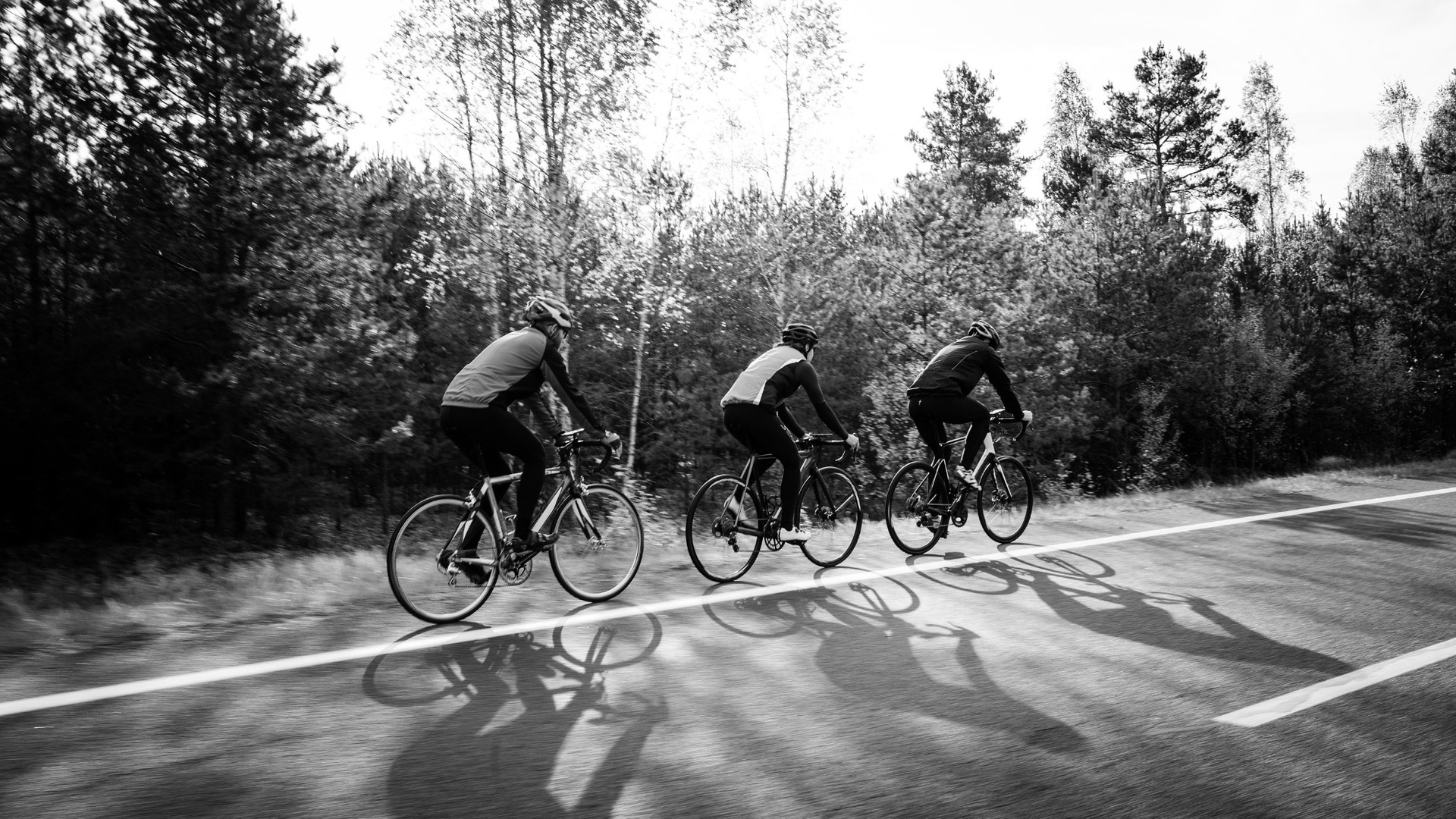
You finished your last ride and parked your bike on the balcony. You’d be back out next week anyway. Then life got in the way, the evenings grew darker and the cold started creeping in. Before you knew it, your cycling season was over.
Some of us ride all year round. Others move their training indoors. Taking a break is perfectly fine too. But leaving your bike untouched in a corner for a few months can give you a few extra jobs before that first spring ride. Sometimes an extra bill as well.
Flat tyres and a rusty chain are two things you might come back to. You could find yourself doing maintenance before you’ve even turned a pedal. You don’t need to turn your home into a bike workshop to get ready for winter. Cleaning and drying your bike, looking after the chain and choosing a dry storage spot are a good place to start.
Start by cleaning off the last ride
The mud on your frame might be a lovely reminder of last weekend. Keep it in the photos; it doesn’t need to spend the next few months on your bike. Start by removing dirt from the frame, wheels and drivetrain. A soft cloth or brush may be enough for light dirt. If the bike needs washing, use a suitable bike cleaner and low-pressure water.
Yes, pressure washers make the job easier. But pointing a powerful jet at bearings, wheel hubs or electrical components can cause problems. Follow your bike’s cleaning instructions. After cleaning, wipe off the water with a dry cloth and leave the bike somewhere with good airflow until it’s completely dry. Don’t put a cover over it straight away. Even if the outside looks dry, water can still be hiding under mudguards, around bag mounts or in small gaps.
Electra’s storage guide also recommends cleaning the frame, wheels and drivetrain, then making sure the bike is completely dry before putting it away for an extended period. Empty and clean your water bottles, and remove any damp bags so they can dry. Check the pockets too. An old snack discovered in spring probably isn’t the surprise you were hoping for on your first ride.
Clean the chain and lubricate it properly
Take a look at your chain before putting the bike away. If it’s dirty, dry or starting to show surface rust, dealing with it now is easier than leaving it until spring. If you use oil-based chain lube, clean the chain with a suitable product, let it dry and apply a lubricant made for bicycle chains. Follow the product’s application and waiting-time instructions, then wipe off the excess from the outside. Extra lube will collect dust even while the bike is sitting still.
A clean, properly lubricated chain is one of the basics of drivetrain care. If you use a wax-based system, don’t add oil on top. Follow your wax product’s instructions for cleaning and reapplication.
Keep maintenance sprays away from your brakes too. Don’t get oil on disc rotors, brake pads or the braking surfaces of your rims. “I’ll just spray a bit everywhere” rarely ends well in bike maintenance.
Where should you store your bike?
Not everyone has a spacious, dry and neatly organised garage. Some of us are simply trying to keep a walking route open between the bike and the dining table. Your first priority is protection from rain and damp. Once you’ve cleaned and dried the bike, you need a spot where it won’t get wet again.
| Storage spot | What to watch out for |
|---|---|
| A corner indoors | Choose a stable spot away from radiators and direct sunlight, where the bike won’t fall over. |
| An enclosed balcony | Check for leaks around the windows and condensation inside. |
| A basement or storage room | Pay attention to musty smells, wet floors and signs of water getting in. Think about security if it’s shared. |
| A garage | Choose a dry, sheltered spot and keep other belongings from being piled onto the bike. |
| An open balcony | Find a more sheltered option if possible. Even with a cover, check for moisture underneath. |
Can you keep your bike on a balcony?
Not all balconies are created equal. A dry, enclosed balcony that keeps the rain out is a very different proposition from an open one. A cover alone won’t solve months of exposure to wind and rain. If an open balcony is your only option, keep the bike as sheltered from rain as you can. Use a cover designed for outdoor use that allows ventilation, and check for moisture building up underneath.
If you’re storing the bike indoors, a lightweight dust cover may be enough. Make sure the bike is completely dry first. You don’t want to tuck the moisture in for winter too.
What about a basement?
It can work, but not every basement is a suitable storage spot. A dry storage room is useful. A space with constantly damp walls or a floor that floods when it rains is somewhere you may want to reconsider before leaving your bike there for months.
Check the room first. Are any pipes leaking? Can you see water marks on the floor? Is there enough ventilation? These details matter just as much as finding an empty corner. If you’re using a shared storage room or garage, don’t forget to lock the bike. Having it still there when winter ends is part of the plan.
Don’t let all the air out of your tyres
“I’m not riding, so the tyres can have a rest too” isn’t a reason to deflate them. If the bike will stand on the floor, keep the tyres inflated enough to support its weight without being squashed. Schwalbe notes that leaving a bike on flat tyres for a long time can damage the tyre sidewalls. It recommends keeping the tyres inflated or using a suitable hanging system to take the weight off them.
There’s no single “winter storage pressure” that works for every setup. Stay within the compatible pressure limits for your tyres and rims. Take particular care with the manufacturer’s limits for hookless rims. You don’t need to inflate your tyres to their maximum pressure just to store the bike.
Tyres lose air over time, so check them occasionally with a pump that has a pressure gauge. Once a month can be a practical starting point. If yours lose air faster, check more often.
If you run tubeless tyres, check the sealant before your first ride back too. Follow the product’s instructions for topping it up or replacing it. Leaving the bike unused doesn’t stop the sealant from drying out.
Do you have to hang it on the wall?
You’ve probably seen bikes hanging on walls on Instagram. And yes, some of them look great. But it’s an option, not a storage requirement. Keeping your bike in a dry place, with properly inflated tyres and enough support to stop it falling over, can work just fine.
The biggest advantage of hanging it is saving space. If you keep your bike indoors and catch yourself on the handlebars every time you walk past, a rack could make life easier. Just don’t assume any hook in the wall will do. The rack’s weight rating, its wall fixings and its suitability for your bike all matter. If it supports the bike by the frame or wheel, check that it’s compatible with the part it touches.
Follow any storage-position instructions provided for your bike or its components. If you’re unsure about storing it vertically or upside down, ask the manufacturer or your bike shop.
Don’t forget about it all winter
You’ve cleaned the bike and put it away. You don’t need to give it a full service every week. Just take a few minutes now and then to check:
- Have the tyres lost a lot of air?
- Is there moisture under the cover?
- Is rust appearing on the chain?
- Has water got into the storage area?
You can set a short monthly reminder on your phone. If you use a balcony or storage room, an extra check after heavy rain is a good idea. Your bike doesn’t need daily attention while it’s parked. Just don’t assume the conditions you left it in during November will still be the same in February.
Before your first spring ride
The weather starts improving and the message finally arrives: “Ride tomorrow?” If your answer is yes, give the bike a quick check before heading straight out.
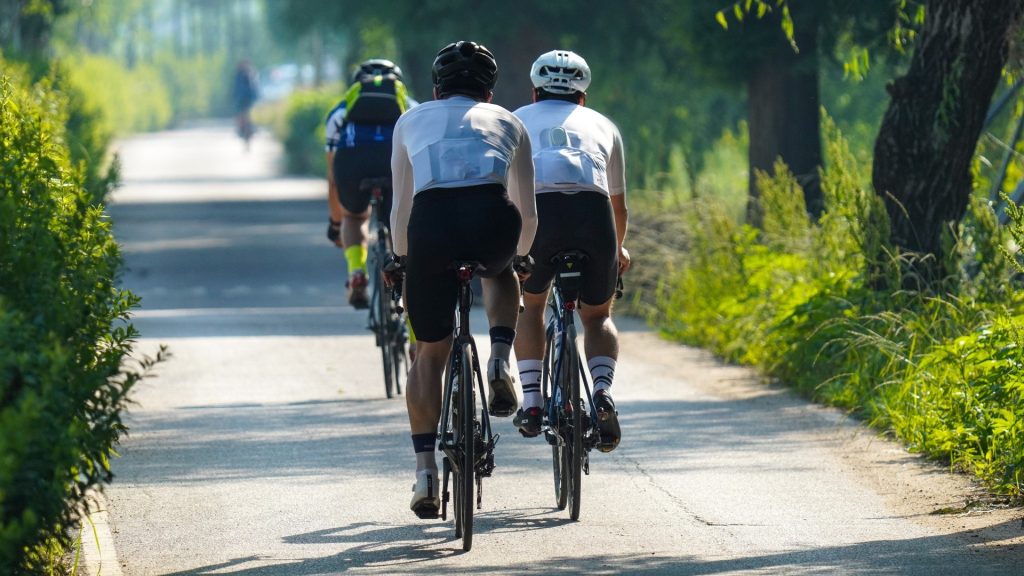
Set the tyre pressure for your ride. Look for cracks, cuts or obvious changes in tyre shape. Check the brakes and make sure the wheels are securely fitted. Inspect the chain, test the gears and charge your lights. Then take a short test ride somewhere safe. If the brakes feel different, something feels loose, or you notice rubbing or an unfamiliar noise, sort it out before a longer ride.
A problem that was there when you put the bike away won’t fix itself over winter. A bottom bracket that was creaking in September probably hasn’t changed its mind by March.
One last check before putting it away
Ready to store your bike? Run through this list:
- The bike is clean and completely dry.
- The chain has been cared for according to your lube or wax system.
- The tyres haven’t been left flat.
- The storage spot is dry, sheltered and secure.
- Water bottles are empty and clean; food and damp bags have been removed.
- You’ve set a reminder to check on the bike occasionally over winter.
If you ride an e-bike, check the battery storage instructions in your own user manual as well. The recommended charge level and temperature can vary between systems.
Being able to head out after a quick check on the first sunny weekend feels good. And if you don’t have to wrestle with a rusty chain first, you’ll get to the coffee stop a little sooner.