
What does the wrong tennis racket grip size feel like?
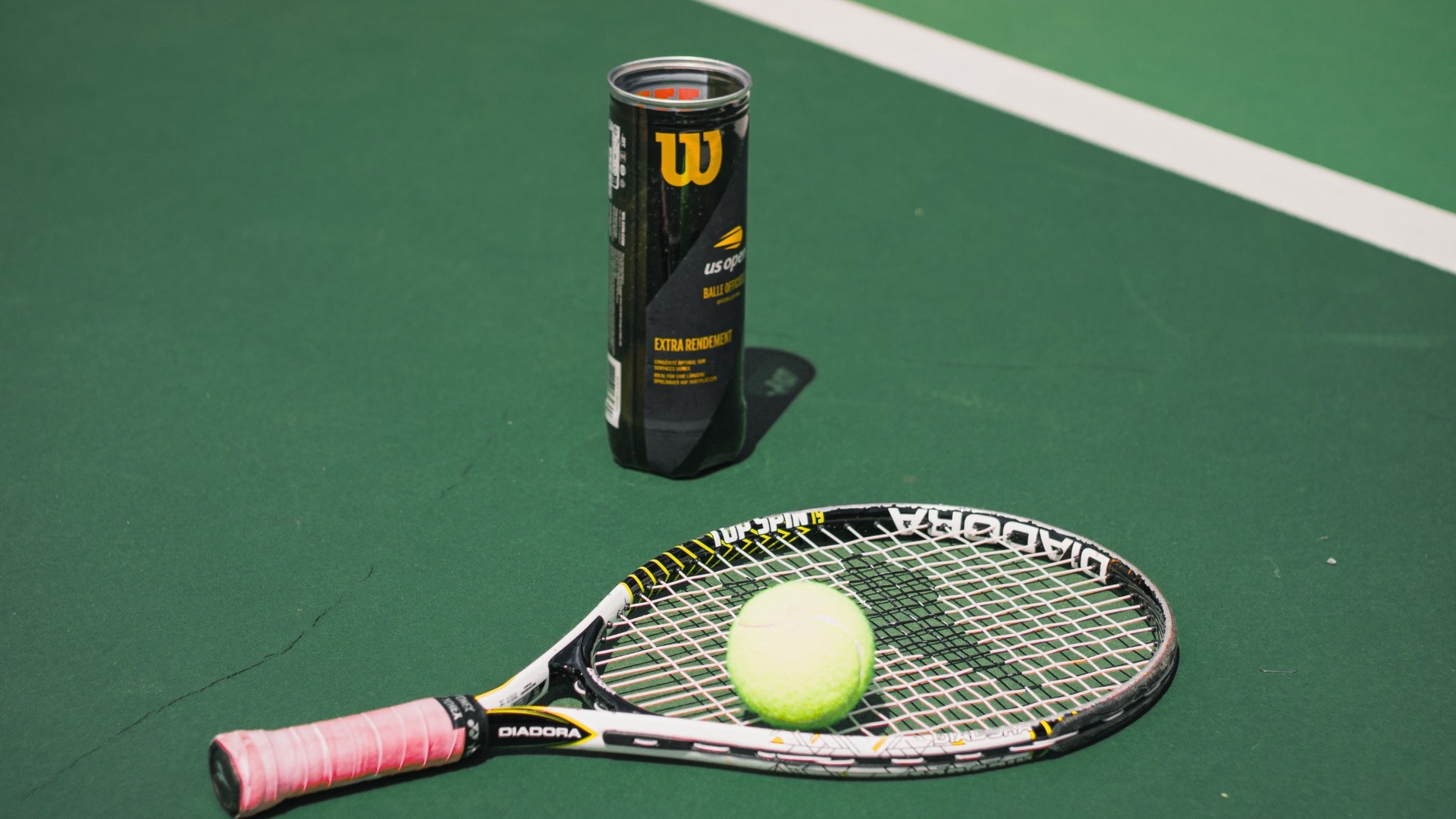
Does your racket twist in your hand? Do you catch yourself squeezing the handle during shots, or notice your forearm getting tired after just a few games? Sometimes the cause is a handle that doesn’t suit your hand, rather than your technique. Grip size refers to the thickness of the racket handle you hold. The wrong size won’t suddenly ruin every shot. It tends to show up in how you hold the racket and how easily you adjust your hand between strokes. Even small discomforts that appear after a while can affect your game: if you can’t rotate the racket comfortably in your hand, changing grips becomes harder; if it twists during a shot, you may squeeze harder than necessary to keep it steady.
If the handle feels too small
The racket may feel as though it slips or twists in your palm during a shot. When you’re a little late to the ball or make contact off-center, you squeeze harder to hold it steady. During serves and volleys, where grip changes happen more often, you may also notice that the handle doesn’t turn comfortably in your hand. After a while, forearm fatigue, tension in your hand, or difficulty relaxing your fingers after a shot may be related to that habit of squeezing.
But don’t blame grip size straight away. Sweaty hands or a worn, slippery overgrip can create the same feeling. Try replacing the overgrip first. If the problem continues and you feel you need to squeeze the racket on every shot, have the size checked.
If the handle feels too large
This time, your fingers may struggle to wrap comfortably around the handle. Rotating the racket as you move from a forehand to a backhand becomes harder, and you have to reposition your hand to change grips. A large handle can also make you squeeze harder to keep the racket steady. So a thicker handle doesn’t automatically mean a more secure hold. Both an undersized and an oversized grip can lead you to hold the racket too tightly.
Having large hands doesn’t necessarily mean you need a large grip either. Some players like a handle that fills their hand; others find grip changes easier with a smaller one. Hand measurements are a useful starting point, but they shouldn’t make the decision on their own. The shots you play, the grips you use, and how the handle feels all matter too.
A simple check you can try at home
Hold the racket in your forehand grip. Try sliding the index finger of your other hand into the gap between your fingertips and the base of your thumb. If there’s no room for your finger, the handle may be too small. If there’s noticeably too much space, it may be too large. This is a practical way to get an idea at home, not a precise measurement. Your finger shape and the way you hold the racket can affect the result.
You can also estimate a starting grip size from a hand measurement: measure from the tip of your ring finger to the prominent crease in your palm. But even if two players have similar hand measurements, the same racket may feel different to each of them. That’s why comparing two neighboring sizes in a shop—and, if possible, trying them briefly on court—is more useful. If you’re unsure, ask your coach or a racket specialist for help.
What should you look for when trying a racket on court?

Instead of making a decision after hitting a ball or two, pay attention to how your hand feels during forehands, backhands, serves, and volleys. Can your fingers move comfortably around the handle when you change grips? Does the racket twist in your palm at contact? Do you have to squeeze it throughout the session to keep it steady? A few minutes of answering these questions can tell you more than simply looking at a chart.
Holding the racket with a relaxed hand isn’t the same as holding it so loosely that it might fall out. But you don’t want to squeeze the handle and lock your hand up either. The racket should feel secure, you should be able to adjust your grip as you prepare for a shot, and you shouldn’t need unnecessary tension. If one size feels more comfortable, keep that in mind when buying your next racket.
Grip size may not be the only reason your arm hurts
An unsuitable size can contribute to squeezing harder to steady the racket and tiring your forearm. But elbow or wrist pain doesn’t automatically mean your grip size is wrong. Stroke technique, string tension, racket characteristics, and how much you’ve been playing lately can also play a part. If pain keeps returning, review your technique with your coach rather than simply changing the size and waiting for it to disappear. If it persists, speak to a healthcare professional.
Before changing your grip size
If the problem only happens when your hands are sweaty, replace the overgrip first. If the racket still twists, grip changes remain awkward, or you keep squeezing the handle, ask a coach or racket specialist to check the size. You can add an overgrip to build up the handle, but that changes its feel and makes it thicker. Try it again on court after adding one. If possible, start with a small adjustment rather than a large change all at once.
The stated grip size and the thickness you feel aren’t quite the same
The racket’s original handle size, the overgrip wrapped around it, and the thickness you feel in your hand can differ slightly. An overgrip sits over the existing grip. It can make the surface feel drier or softer, and it adds a little thickness. So it’s normal for a handle you tried without an overgrip in the shop to feel different once you add your usual one at home. If you normally play with an overgrip, assess the size with it fitted.
A worn overgrip doesn’t just become slippery. It can thin out in some places and bunch up in others, making the handle feel uneven. A new overgrip may make the racket feel thicker or fuller in your hand. The change is small, but you may notice it if you’re sensitive to how the handle feels. Keep the wrapping as consistent as possible when testing. Otherwise, while comparing two grip sizes, you may also be comparing two different surfaces.
If you’re between two sizes
Pick up two neighboring handle sizes and compare them using the same grip. If the smaller one moves in your palm and makes you squeeze harder without realizing it, the larger size may feel more comfortable. If your fingers struggle to wrap around the larger one, or your hand moves slowly around the handle, try the smaller size.
The aim is to find a comfortable, secure hold, rather than achieve a perfect gap in the index-finger test. If that test leaves you undecided, try the racket on court if you can. Hit a few forehands and backhands, serve, then notice whether your hand moves comfortably when you change grips. A size that feels good in the shop isn’t guaranteed to feel the same throughout a long session.
You’ll often hear, “Buy the smaller one and build it up with an overgrip.” But that isn’t a rule that works for everyone. Adding an overgrip changes the surface texture and how the racket feels, as well as its thickness. If you’re between sizes, decide by testing the racket with the layers you actually play with, rather than relying on that assumption.
Grip size doesn’t work in isolation
A different feeling with a new racket doesn’t always mean the handle size is wrong. How pronounced the handle’s bevels are, the base grip, and the racket’s overall weight can also change the feel in your hand. Two rackets with the same stated size may feel different because of the handle shape or surface texture. If you want the familiar feel of your old racket, compare the handle construction and grip layers, not just the size number.
Habit matters too. If you’ve used a thick handle for a long time, a thinner one may feel unfamiliar on the first try. That alone doesn’t prove it’s the wrong size. The reverse is also true: a new handle filling your hand more doesn’t necessarily give you better control. Rather than deciding immediately after a couple of short tries, notice whether your hand stays comfortable through different shots.
How does your hand feel after the test?
Don’t judge a size only by the first shot. After a short practice session, open and close your hand. Do your fingers or palm feel tense? Might you have spent the whole match squeezing the handle to stop the racket twisting? Did you have to reposition your hand every time you changed grips? Compare your answers over a few sessions. That makes it easier to tell the difference between disliking an unfamiliar racket on day one and using a size that genuinely doesn’t fit your hand.
If you try a friend’s racket, ask how many grip layers are on the handle too. The same size number can feel thicker or thinner with different layers. It’s easy to miss that detail when comparing a racket you’ve tried briefly with your own.
What else should you check if grip size isn’t the problem?
If the racket only slips in certain weather conditions, sweaty hands and the overgrip surface may be more likely explanations. If changing grips is generally difficult, the way you hold the racket or your stroke technique could also be involved. If your arm tires quickly, consider session length, racket weight, and string choice as well. None of these signs gives you a diagnosis on its own. They simply help you think about where the problem might lie.
That’s why it helps to make changes one at a time. Replace the overgrip first, then have a specialist check the handle size if needed. If you change the grip layers, racket, and strings all at once, it becomes difficult to know which change made the difference. If you’re in pain, don’t stop at experimenting with equipment. Review your technique with your coach, and speak to a healthcare professional if the pain continues.
The right grip size doesn’t have to feel “special.” If the racket stays steady, your hand moves comfortably around the handle, and you don’t need unnecessary effort to control it, you’ve probably found a suitable size. If you’re unsure, try it through several different shots. Comfort is about how the racket behaves during play, not just how it feels when you pick it up.