
Why Is Gravel Racing Growing So Fast?
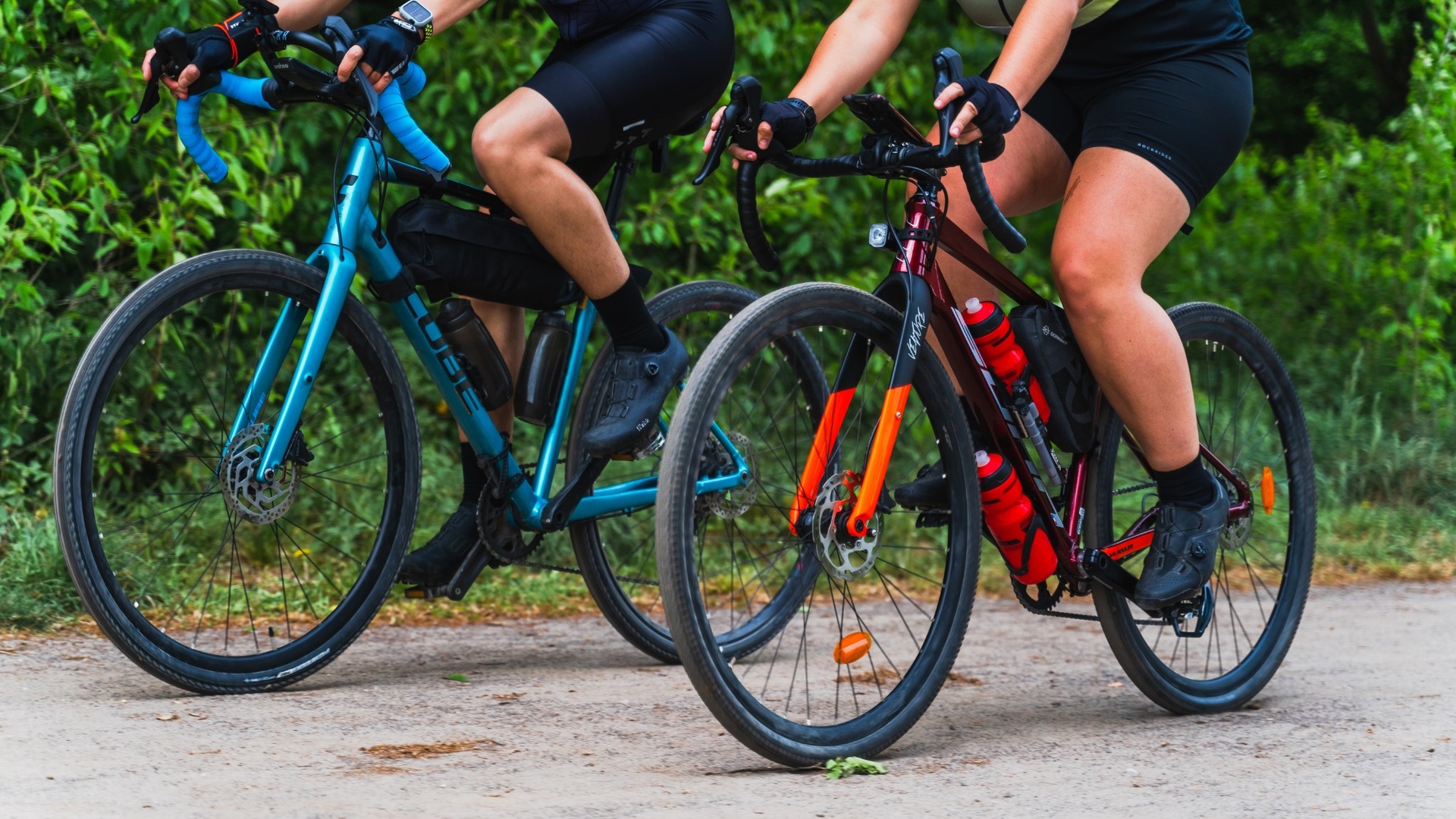
Some cycling trends arrive, get everyone talking for a few seasons, then quietly disappear as if nothing happened. Gravel racing doesn’t seem to be heading that way. The calendar keeps expanding, more races are appearing, amateurs are flocking to major events, and the UCI now treats gravel as a serious racing discipline.
Go back four years to 2022, and the UCI Gravel World Series had just 10 races. By 2025, that number had reached 33. The 2026 calendar features 47 qualifying events across 32 countries. And the system isn’t reserved for professionals: amateurs who finish in the top 25% of their age group can also qualify for the World Championships.
So this is about more than a new type of bike becoming popular. Gravel has managed to bring competitive racing and the adventurous side of cycling together. That’s probably one of the biggest reasons behind its growth.
What Is a Gravel Race?
We’ve already covered what a gravel bike is in detail, so there’s no need to go over the same ground here. For racing, the key difference is the course: a substantial part of it takes place away from paved roads. A single route might combine compacted gravel, dirt roads, forest tracks, farm roads, loose stones, and occasional stretches of tarmac.
That makes surface choices, tyre pressure, bike handling, mechanical reliability, and decisions made during the race much more important. But to understand why gravel racing is growing, we need to look beyond the terrain and ask why people want to turn up in the first place.
Why Does Gravel Racing Feel Different from Road Racing?
Professional road racing can be incredibly complex. Teams, domestiques, breakaways, control of the peloton, wind, lead-out trains, and team tactics all play major roles. Gravel often feels more unpredictable. At any moment:
- The surface can change.
- A tyre can puncture.
- The group ahead can split apart.
- A technical section can begin.
- A water crossing can appear.
- Mud can rewrite your entire race plan.
That uncertainty can be frustrating for riders, but it’s also part of what makes the racing interesting. Picture the favourite looking incredibly strong early on. A few kilometres later, a sharp rock causes a puncture, and suddenly the whole plan changes. A mistake that might seem minor in a road race can cost minutes on gravel. In some gravel races, victory goes as much to the rider who makes the fewest mistakes as to the one with the strongest legs.
Why Are the Routes One of Gravel Racing’s Biggest Strengths?
In gravel racing, the route isn’t simply a way to get from A to B. Sometimes it matters just as much as the race itself. That’s one reason events such as Unbound Gravel and The Traka get so much attention. Riders aren’t just competing against each other. They’re also taking on the distance, the terrain, the weather, their equipment, and their own endurance.
Imagine a 200-kilometre race on smooth tarmac. Now add loose gravel, mud, sharp stones, dust, long climbs, and the possibility of punctures over the same distance. Naturally, the second version leaves you with more stories to tell. That may be one reason gravel culture became so visible on social media so quickly. Instead of pristine roads and an orderly peloton, you get mud-covered riders, clouds of dust, mechanical problems, and dramatic landscapes.
The course isn’t just where the race happens. It’s a big part of the story.
Why Are Professional Road Riders Trying Gravel?
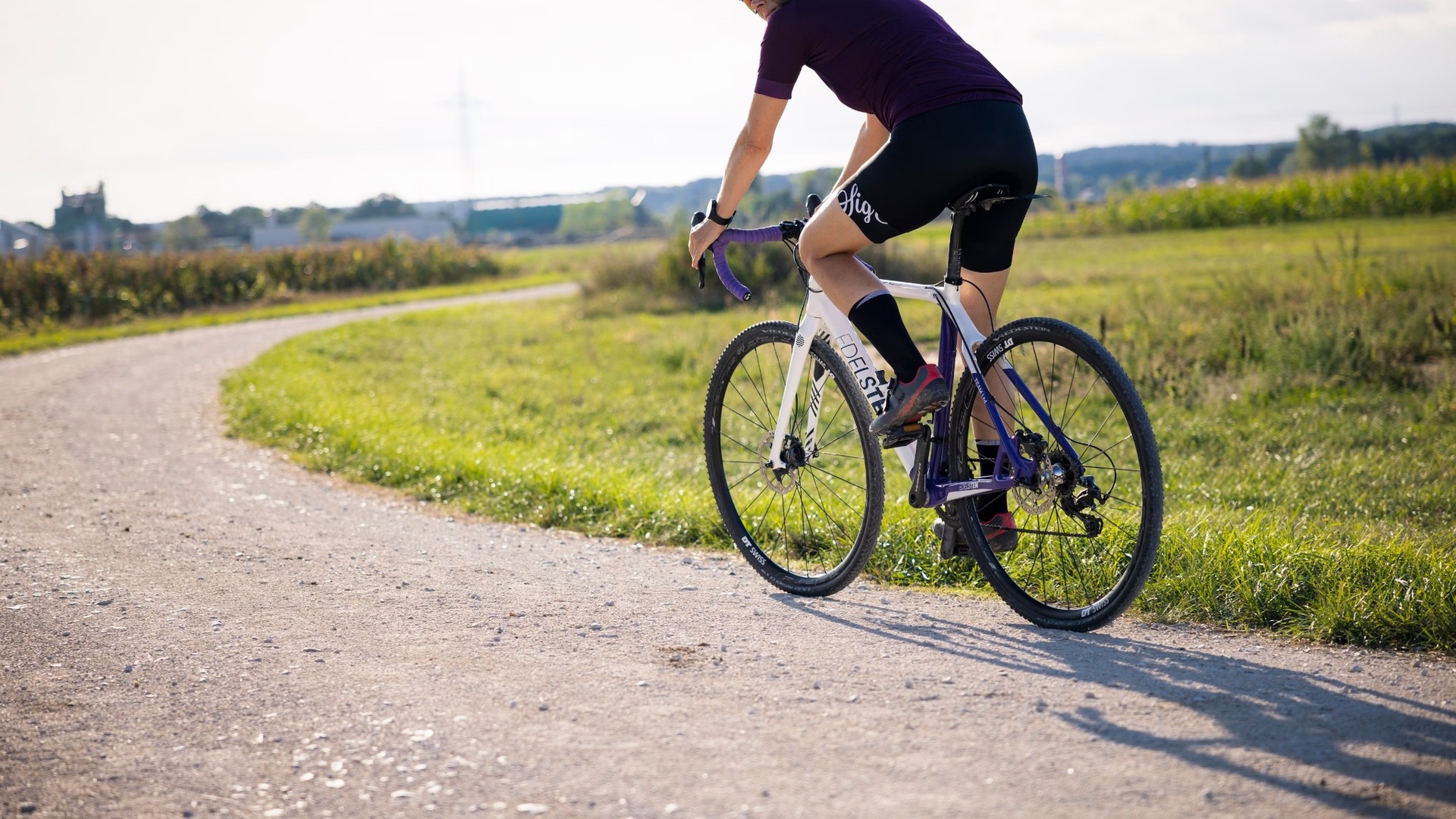
One major factor in gravel’s growing visibility is the arrival of familiar names from road cycling. Seeing riders such as Alejandro Valverde, Matej Mohorič, Romain Bardet, and Tiffany Cromwell on gravel start lists is no longer surprising. At the 2025 UCI Gravel World Championships, Florian Vermeersch won the men’s race, while Matej Mohorič finished third.
That doesn’t mean professionals are abandoning road cycling for gravel. It does, however, offer them a different racing experience. In professional road racing, roles can be clearly defined: one rider works for the team leader, another helps set up a sprint, and someone else takes the lead on the climbs.
Gravel is often more individual. Riders chase their own result and have to make more of the decisions themselves during the race.
Then there’s the atmosphere. Many gravel events feel more relaxed, more social, and more like a festival than a traditional professional race. For a professional rider, gravel can offer the same competitive buzz in a different setting.
How Has the UCI Changed Gravel Racing?
A sport doesn’t necessarily need federation support to grow, and gravel is a good example. Major gravel races existed long before the UCI World Championships arrived. Unbound Gravel, for instance, dates back to 2006. The first UCI Gravel World Championships took place in 2022.
The UCI didn’t create gravel racing, but it has significantly expanded its international competitive structure:
- A World Championships was introduced.
- A qualifying series was established.
- The rainbow jersey entered the picture.
- National and continental championships became more widespread.
Alongside independent gravel events, there’s now a more formal international racing system. The 47 events on the UCI’s 2026 Gravel World Series calendar show the scale of that growth. Gravel now offers more than a weekend ride on dirt roads with friends. If you want to, you can race in your age group and work towards a place at the World Championships.
Gravel Racing’s Big Advantage: Amateurs Get to Take Part
For me, this is one of the biggest pieces of the puzzle. At most professional sporting events, amateurs are spectators. In gravel, they can be participants. At UCI Gravel World Series races, amateurs compete in age groups, and those who finish in the top 25% of their category can qualify for the World Championships.
The 2025 UCI Gravel World Championships offer a good picture of how large that participation has become:
| 2025 UCI Gravel World Championships | Rider numbers |
|---|---|
| Elite riders | Approximately 400 |
| Expected amateur riders | 2,550 |
| Actual total participation | 2,953, representing 53 countries |
That distinction matters. The professionals you watch on television aren’t confined to some completely separate world. You’re at the same event, racing on the same weekend, and if you’re good enough, you can even compete for a world title in your own age group. For an amateur athlete, that’s a pretty powerful reason to get involved.
Is Gravel Racing Really Amateur-Friendly?
There’s a distinction worth making here. Yes, gravel racing is more open to participation than many professional racing disciplines. You don’t have to be a professional to enter. But that doesn’t make the races easy. Courses can run for 100, 150, or even close to 300 kilometres, with thousands of metres of climbing, technical terrain, and the possibility of mechanical trouble. Calling gravel amateur-friendly doesn’t mean anyone can turn up unprepared and finish.
The welcoming side has more to do with the culture. Riders of very different abilities can share the start line, and not everyone is there to win. For some, the goal is to:
- Finish the course.
- Improve on a personal target.
- Discover a new route.
- Race with friends.
- Enjoy the event atmosphere.
That variety helps gravel racing feel like more than a competition reserved for elite athletes.
Are Gravel Races Becoming Cycling Festivals?
The programme itself is another thing that sets many gravel events apart. At plenty of them, the race is just one part of the weekend. Around it, you might find:
- Brand stands and exhibition areas.
- Bike demos.
- Group rides.
- Music.
- Food and drink areas.
- Camping.
- Other social activities.
People aren’t travelling there just to stand on a start line. At a certain point, the event becomes a small cycling festival. That also helps explain why brands are so interested. They’re meeting thousands of people who buy bikes, upgrade equipment, travel, and actively take part in the sport, all in one place.
For brands, that’s a valuable audience. For riders, it’s a more social experience than the kind of race where everyone gets in the car and goes home as soon as it’s over.
Has Gravel Found What Today’s Cyclists Are Looking For?
I think explaining gravel’s growth through race calendars and the UCI alone misses something. Cycling culture itself has been changing in recent years, particularly in Europe and the US. Not everyone wants to train like a professional racer, but not everyone is satisfied with a few gentle kilometres around the local park, either. There’s a huge group somewhere in between.
These riders care about performance, but they also want to explore. They want to train without every ride becoming a calculation of watts, average speed, and segment times. Gravel fits neatly into that space. You can train one day, explore an unfamiliar dirt road the next, and enter a long-distance race at the weekend. None of those things rules out the others.
Perhaps one reason gravel is growing so quickly is that simple: it doesn’t ask everyone to be the same kind of cyclist.
Does Gravel Racing’s Growth Come at a Cost?
As gravel racing grows, it brings along an awkward problem. Part of its early appeal was a race culture that felt relaxed, less polished, and open to whatever the route threw at you. As participation increases, that same easy-going atmosphere becomes harder to maintain.
A start group of a few hundred people can’t be managed in the same way as one containing several thousand. Speeds rise, more professionals take part, and everything from aid stations to safety arrangements needs more careful planning.
That helps explain why elite riders at major events such as Unbound have called for more structure around crowded starts, aid stations, and racing standards. Gravel faces a tricky balancing act. Events need to become safer and more professionally organised. But too much regulation could put the freer atmosphere that distinguishes gravel from traditional road racing at risk.
Over the next few years, the most interesting question may be how much of its character gravel can keep as it grows.
Is Gravel Racing Here to Stay?
A few years ago, it was easier to dismiss gravel as a fad. That argument is harder to make today. There’s much more going on than a handful of popular races: the UCI series is expanding, new countries are joining the calendar, national and continental championships are taking place, and amateur participation remains strong. The 2026 World Championships moving outside Europe for the first time, to Australia, is another sign of gravel racing’s geographical reach.
That doesn’t mean gravel is going to replace road cycling, and it doesn’t need to. Road cycling offers one experience, mountain biking another. Gravel has found a large audience in the space between them. Some riders want to go fast on tarmac; others want to head down unfamiliar dirt roads at the weekend. Gravel has shown that those two desires can fit comfortably together.
Maybe that’s why the races have grown so quickly. They’ve given people a new way to compete while leaving room for different ways to enjoy riding a bike.