
What Is Cycling Cadence? Why Riding Faster Takes More Than Power
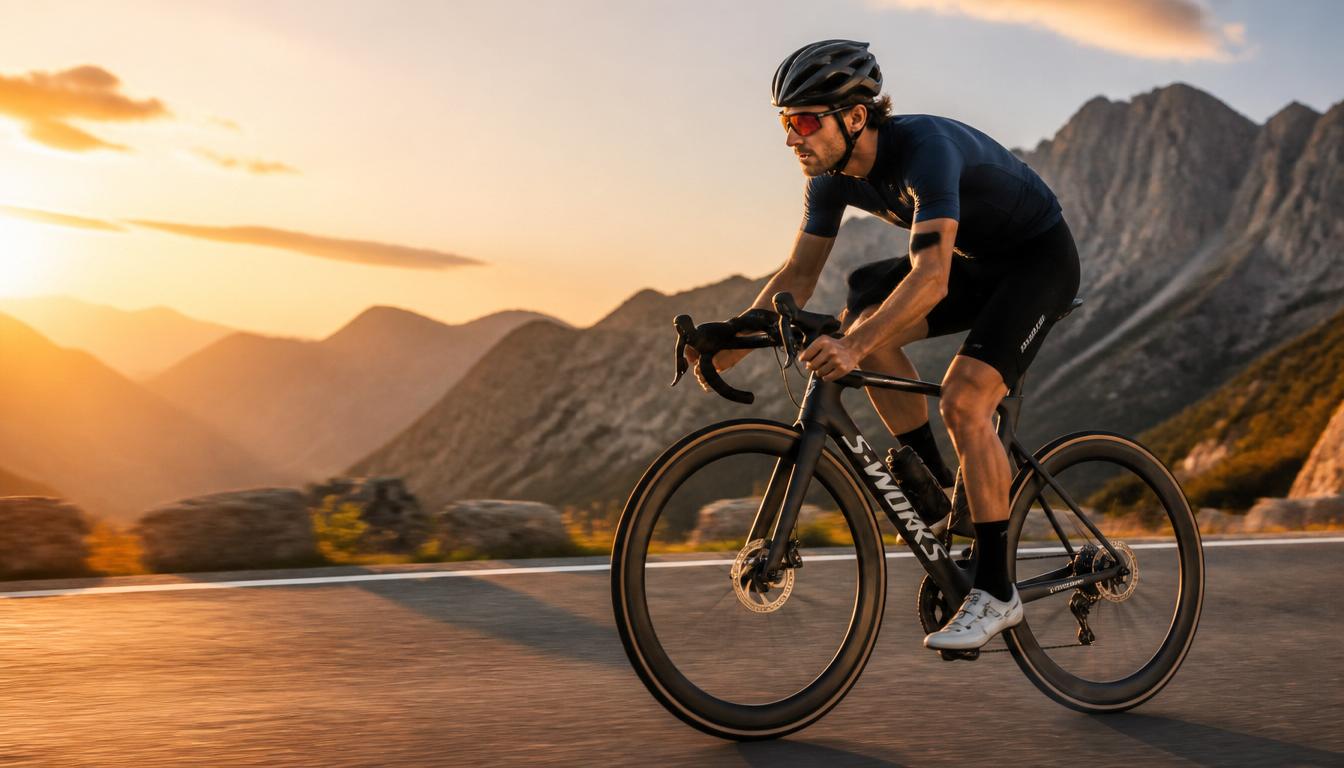
When you’re new to cycling, it’s easy to think, “The harder I push the pedals, the faster I’ll go.” But power isn’t the only thing that matters. Your pedalling rhythm, or cadence, plays an important part too.
To be fair, that first thought isn’t completely wrong. Power really does matter. But once you start looking a little deeper into cycling, one word keeps coming up: cadence. I didn’t give it much thought when I first heard it either. “We’re just turning the pedals, aren’t we?” was pretty much my attitude.
Then I started watching cycling videos, looking through training plans and paying more attention to how professional cyclists ride. That’s when I began to understand why cadence gets so much attention. Producing plenty of power is great. Being able to use it efficiently matters even more.
So, what exactly is cadence? Does pedalling faster really make you ride faster, or is this just a technical detail for the pros? Let’s take a closer look.
What Is Cadence?
Without getting too technical, cadence is the number of complete pedal revolutions you make in one minute. It’s measured in RPM, short for revolutions per minute. For example:
- If you complete 60 pedal revolutions in a minute, your cadence is 60 RPM.
- If you complete 90 pedal revolutions in a minute, your cadence is 90 RPM.
This isn’t a measure of how fast you’re travelling. Cadence simply describes how quickly you’re turning the pedals.
Pushing Harder Doesn’t Always Mean Riding Faster
A common mistake among beginners, or riders who haven’t paid much attention to the technical side, is shifting into a hard gear and pushing as firmly as possible. At first, you really do feel yourself speeding up. But before long, your legs start burning, your breathing gets heavier and your pace begins to drop.
The reason is fairly straightforward: you’re asking too much of your muscles. Shifting into a slightly easier gear and turning the pedals faster can help you sustain the same power for longer. That’s part of what professional cyclists aim to do as well.
What Are the Drawbacks of Low Cadence?
Low cadence often happens when you’re riding in a hard gear and turning the pedals slowly. With this style of riding:
- Your knees have to deal with greater loads.
- Your muscles tire more quickly.
- Each pedal stroke feels heavier.
- Your performance may drop on longer rides.
Does that mean you should never ride at a low cadence? Of course not. Low-cadence work can be used as part of training. But making it your default riding habit won’t be the best choice for many recreational riders.
Is a Very High Cadence Better?
If you’re thinking, “Well, if low cadence isn’t great, higher must always be better,” there’s a small catch.
Yes, I know. It can feel a little frustrating. Not too low, not too high… so what are we supposed to do?
At an excessively high cadence, your legs may be spinning faster than you can comfortably manage. After a while, it can feel as though you’re turning the pedals without getting much out of them. Your energy use and heart rate rise, but your power output doesn’t necessarily increase to match. Efficiency can drop here too. As with so many things, the aim is to find a balance.
What Is a Good Cycling Cadence?
You’ll come across plenty of different numbers online.
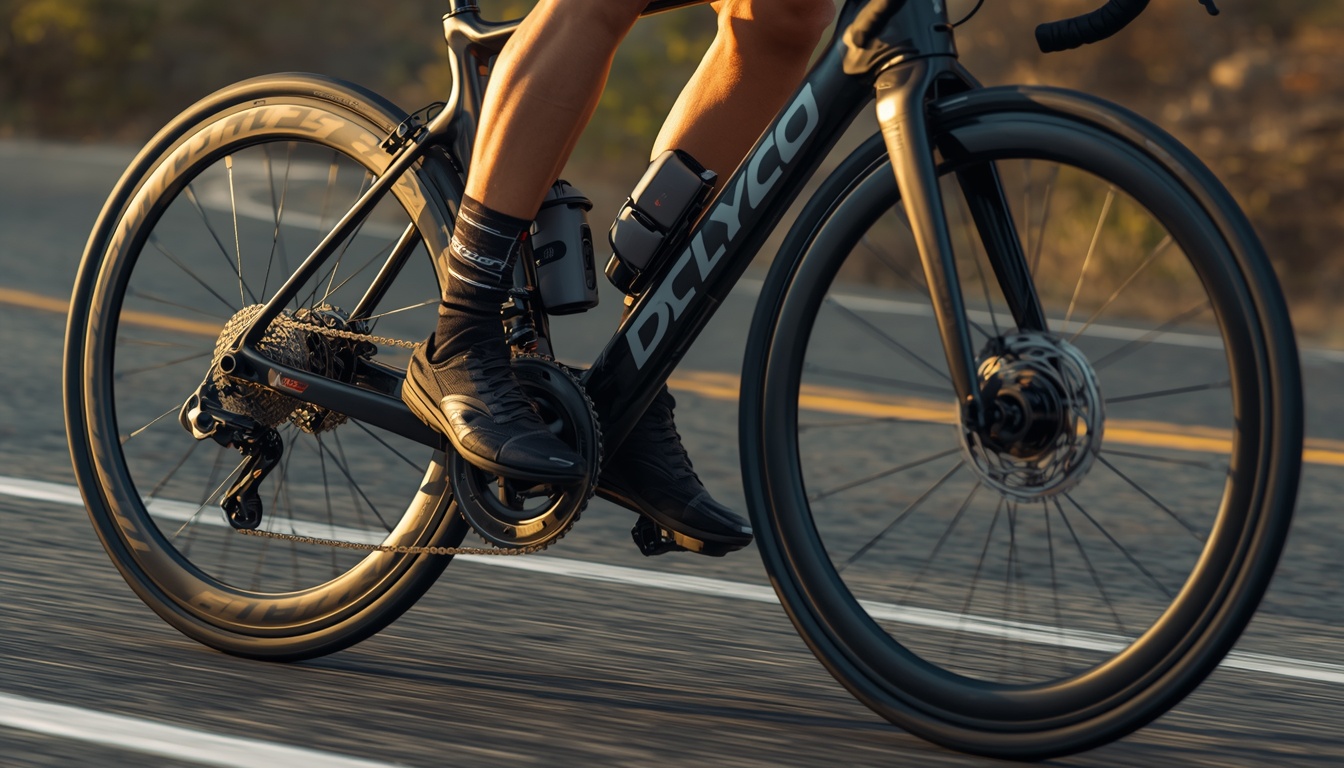
- On flat roads, many cyclists aim for around 80–95 RPM.
- Professional road cyclists often ride at around 90–100 RPM during races.
These aren’t fixed rules. The cadence that suits you can vary with your bike, the surface, the gradient, your fitness and the purpose of the ride. Use those numbers as a reference, but don’t put pressure on yourself to hit 90 RPM at all costs. The most efficient range won’t be exactly the same for everyone.
How Are Cadence and Gears Connected?
There’s a simple way to get a feel for the relationship.
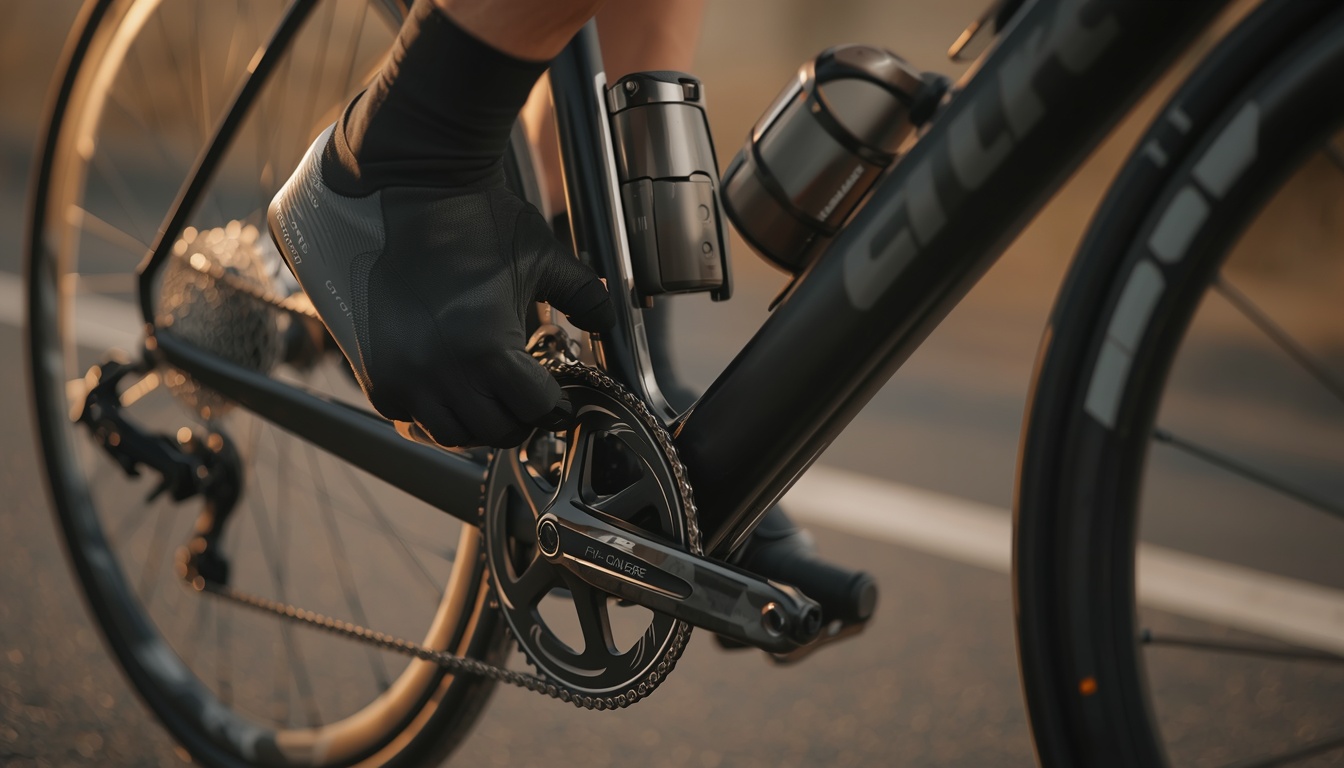
Try riding in a harder gear. Turning the pedals will take more effort. Count how many complete pedal revolutions you make in a minute, and you’ll probably find your cadence is relatively low.
Then try the same stretch in an easier gear. The pedals will turn more freely, and you’ll likely make more revolutions in the same amount of time. In other words, your cadence will be higher.
That’s why it helps to pay attention to your pedalling rhythm as well as the gear you’re using.
You can explore this relationship before you even head out. Enter your chainring and cassette sizes into our bicycle gear ratio calculator, and you’ll get a table showing the speed each gear produces at your chosen cadence. You can also work backwards: enter a target speed to see the cadence you’d need in each gear to maintain it.
Can You Measure Cadence?
Absolutely. It’s easier than you might think. Many bike computers work with a cadence sensor, including models from:
- Garmin
- Wahoo
- Hammerhead
Some smart trainers provide cadence data as a built-in feature. Many indoor cycling apps also let you follow your live cadence on screen. If you’re curious about which devices offer which kinds of data, take a look at our sports watch comparison.
How Can You Improve Your Cadence?
Cadence is a skill you can develop. Pedalling at a higher cadence may feel strange at first. You might even feel as though your legs are moving faster than you can control. That feeling can be part of getting used to a new rhythm.
To work on it:
- Get comfortable pedalling in an easier gear.
- Increase your cadence gradually.
- Avoid suddenly jumping to very high RPM.
- Focus on a smooth, circular pedal stroke.
Over time, your legs will become more comfortable with the rhythm.
Power or Cadence?
If you’re asking which matters more, I think the question needs a slight rethink. These aren’t alternatives to each other. They work together.
Being strong doesn’t automatically make you a faster cyclist. Equally, simply spinning the pedals quickly isn’t enough on its own. What matters is finding a cadence that lets you use the power you’re producing effectively.
Think of a car. You can have a powerful engine, but if you’re constantly in the wrong gear, you won’t get the best out of it. The basic idea on a bike is much the same.
How Would I Start Working on Cadence?
If you’ve just started cycling, it’s useful to understand cadence. But I wouldn’t get too caught up in it straight away.
Beginners are already learning plenty of things at once: balancing, changing gears, braking and finding a comfortable riding position.
Add a constant focus on RPM to that list, and riding can start to feel less enjoyable. The aim, after all, is to keep doing this for years. It’s hard to stick with a sport you aren’t enjoying.
Personally, I’d focus on enjoying those early rides. Once I felt more comfortable on the bike, I’d use a cadence sensor to get to know my natural rhythm. From there, more deliberate cadence practice would make a lot more sense.
Why Does Cadence Matter?
Cadence is one of those things many people overlook when they first start cycling, then gradually come to appreciate. Riding faster isn’t only about producing more power. How efficiently you use that power matters too. Finding a cadence that suits you can help you:
- Feel less fatigued.
- Maintain a steady pace for longer.
- Reduce the load on your knees.
- Pedal more efficiently.
Cycling is about rhythm as well as strength. On your next ride, pay attention to how you’re turning the pedals, alongside how hard you’re pushing them.
The biggest improvement might come from finding the right rhythm, rather than simply producing more power.
For more articles on gravel riding, maintenance and training, explore our cycling category. If you’d also like to track your running pace, our running pace calculator lets you work out average pace, speed and kilometre splits.