
Why Skiing Too Much on Day One Is a Bad Idea
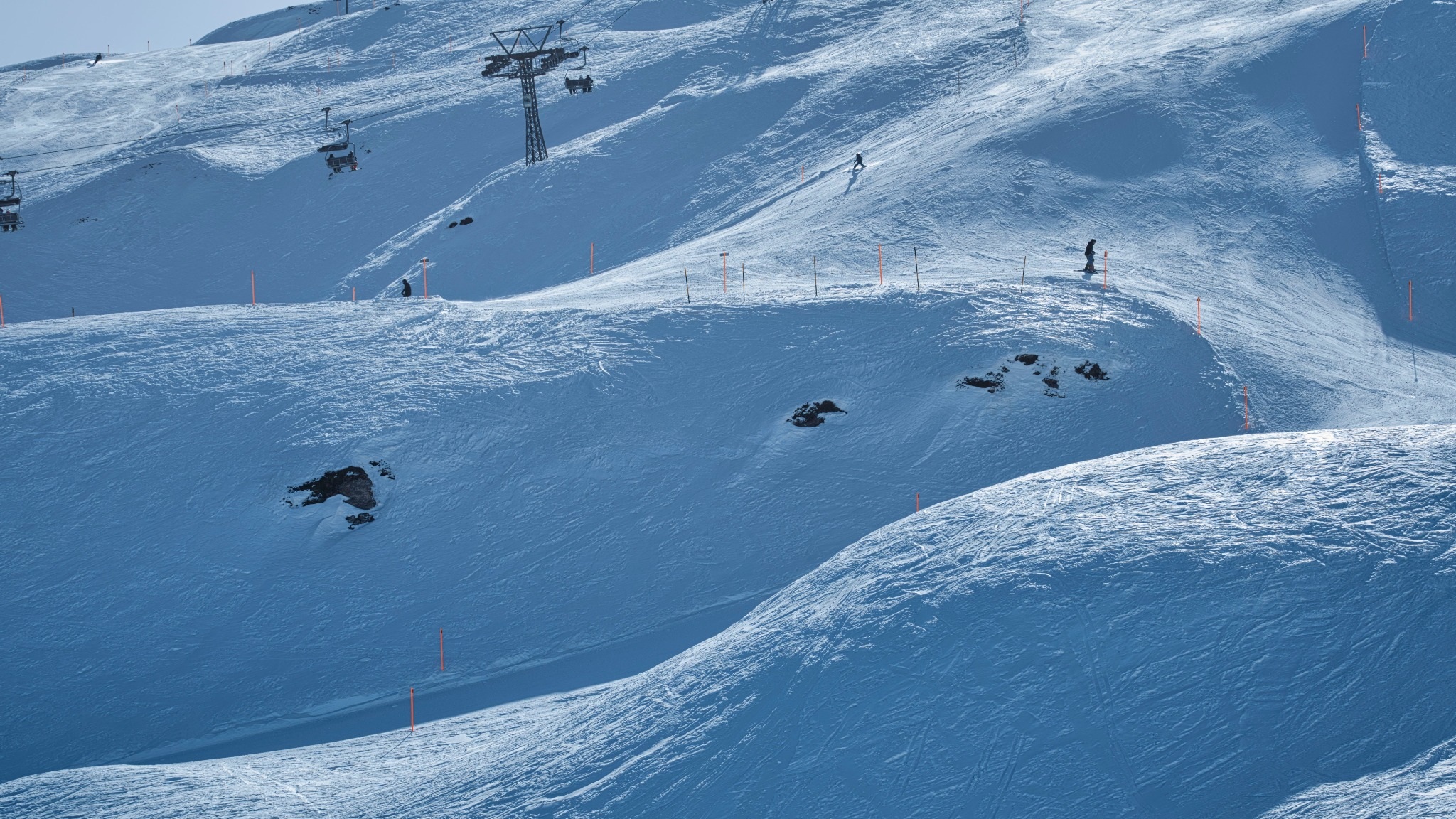
When you buckle up your ski boots in the morning, the plan sounds innocent enough. You’ll do a couple of runs on an easy slope, then check out the long run higher up. Just before lunch, someone on the chairlift says, “One more run before we eat?” After lunch, someone says it again. By three o’clock, your little toe has more objections to the holiday itinerary than you do.
The first day can get away from you because each decision makes sense on its own. The sky’s cleared, so one more run. The lift queue’s short, so one more run. Let’s try that slope before we head back to the hotel. By the end of the day, you’re turning later on sections you handled comfortably that morning, picking up more speed than you wanted to catch your friends, or wondering how you’re going to get down the stairs tomorrow.
On a multi-day ski trip, how you pace yourself on day one can shape how much you enjoy the next morning. The good news is that you can judge it without counting hours on the slopes. The little decisions you make between your first run and your last give you plenty of clues.
Your First Run Is a Chance to Get Used to Skiing Again and Get to Know the Mountain
Even on a slope you skied comfortably last winter, your first turns of the season can feel a little stiff. It can take a while to get the feel for shifting your weight in ski boots, choosing where to start a turn and judging how early to slow down. Meanwhile, the mountain has plans of its own. The snow may have firmed up overnight, visibility can drop suddenly at the top, and a connecting trail that looks wide on the map can feel cramped in the morning rush.
Use your first few runs to get a sense of how the day might go. Move around a little before putting your boots on. Then pick a slope that suits your ability and gives you a clear view of where you can stop. Keep your first run simple. Can you start your turns where you want to? Can you slow down comfortably when you need to? Can you keep a similar rhythm all the way down? The American Academy of Orthopaedic Surgeons recommends warming up before winter sports and stopping when you’re tired or in pain.
Check Your Way Back in the Morning
If you’re at a resort you’ve never visited before, check your route back in the morning too. The run to your hotel might finish with a steep section, or you might need a connecting trail to reach the base. Neither is a fun discovery on your last run. Knowing your way back makes it easier to decide what you feel up to in the afternoon and what the conditions allow.
Your Turns Can Tell You You’re Tired Before Your Legs Do
Ski fatigue doesn’t always announce itself with an unmistakable “My legs are done.” Sometimes you turn a little farther down the slope than you meant to. Sometimes you pick up speed on a section where you made nice, wide turns that morning and end up braking hard several times in a row. Then you catch yourself watching where your friend has stopped instead of thinking about your next two turns.
One messy turn is hardly worth reviewing the whole day over. But when the same things keep happening, it’s worth taking a break and seeing how you feel. Pay particular attention when a section you found easy starts taking noticeably more effort. Fatigue may be part of it, and the slope itself may have changed. On busier sections, a smooth morning surface can turn into a mix of piled-up snow and hard patches scraped bare by passing skiers. Sports medicine sources identify physical and mental fatigue, along with changing snow conditions, as factors that can affect ski safety.
Ski at Your Own Pace and Stop Where You Can Be Seen
When that happens, give yourself room to ski at your own pace. The International Ski and Snowboard Federation’s slope rules call for adjusting your speed to your ability, the terrain, the snow, the weather and how busy the run is. If you need to stop, move to a visible spot at the side. The middle of a narrow stretch or just below a crest can leave people coming down from above very little time to see you.
A Chairlift Ride Feels Like a Break
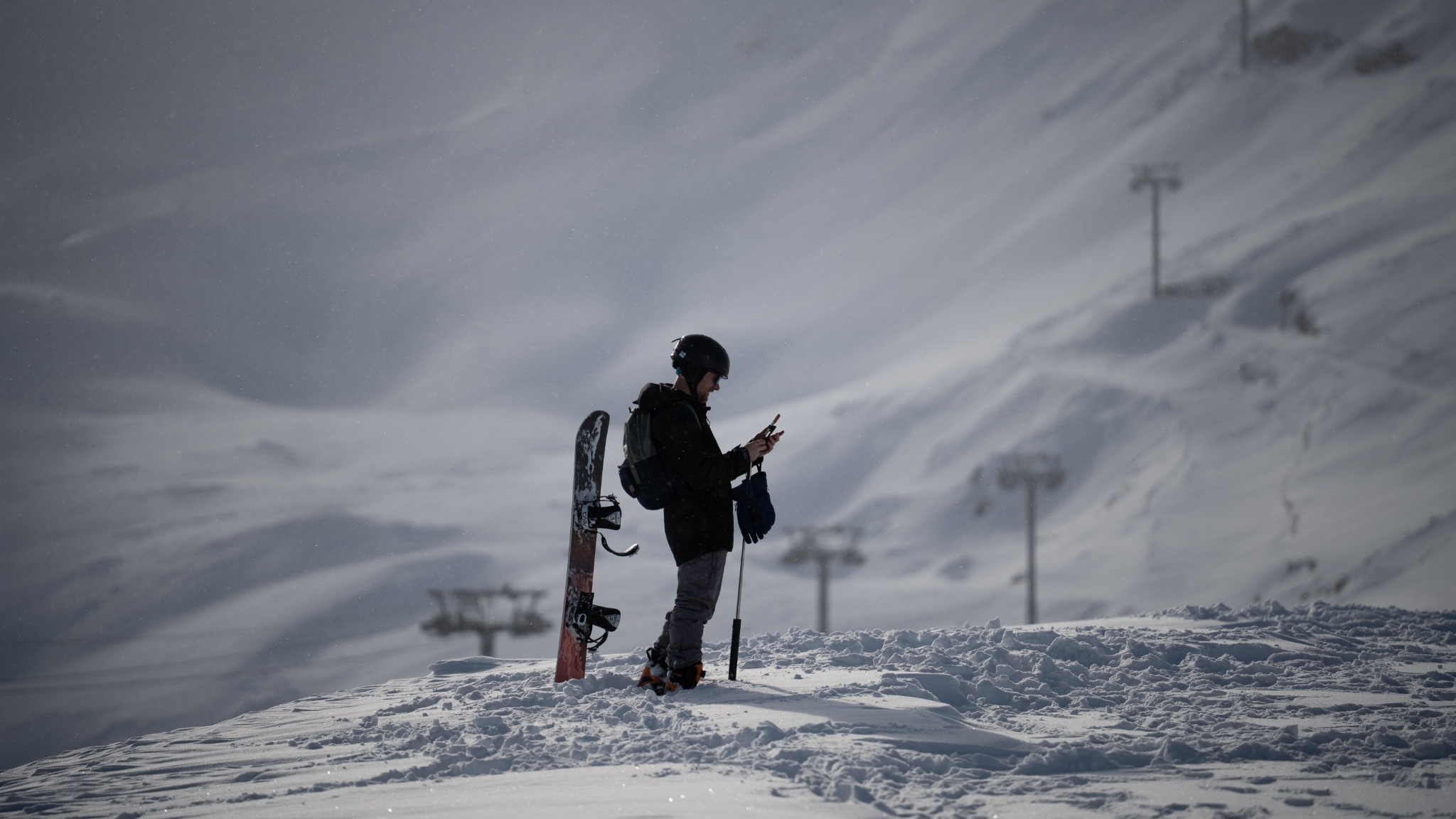
Sitting on a chairlift for a few minutes feels good. You still need a proper break to get that sore spot in your boot checked, have something to eat, drink some water or get indoors to warm up. If the morning disappears into renting gear, finding a locker and asking “Who’s got my glove?”, it’s easy to put your first break off until lunch. By then, it can be hard to tell what’s bothering you. Are you hungry? Cold? Is your boot pinching? Or are you simply tired?
Take a break while you’re still having a good time, if you can. If your boot keeps pressing on the same spot, show the rental staff where it hurts. If you carry on after getting something to eat and drink, pick a short, easy run. That gives you a chance to see how much the break helped before you commit to a long descent. If you’re still noticeably tired or in pain, it’s a good day to take the skis off.
Does Everyone on the Trip Need to Do the Same Number of Runs?
Say there are four of you. One person skied last week. Another is putting on ski boots for the first time since last season. Someone else had their first lesson that morning. Expecting all four of you to want the same run at the same time is a little optimistic. Especially on lesson day, when someone says, “Come with us, it’s easy.” The word easy usually tells you more about the person saying it than it does about the slope.
Agree on a time and place to meet in the morning. That way, a few people can do another couple of runs while you take a break, and everyone can still have lunch together. If you’re learning, ask your instructor which slope to use and what to practise for the rest of the day. Spending a few runs getting comfortable with your stance and turns on the same slope can feel better than following the group onto a longer run. And if you’ve been skiing for years, you get the same freedom. There’s no holiday rule that says you all have to get on every chairlift together.
Don’t Let the Lift Closing Time Pick Your Last Run
One of the hardest things about calling it a day is the thought that you came all this way and could still squeeze in a little more skiing. With a lift pass in your pocket and just enough time to catch the chair, that final run can feel almost free. But once you’re up there, you still have to get down. If you’ve saved your longest or steepest route for last, you may have less energy to deal with whatever conditions you find than you did in the morning.
When you’re picking your final run, ask yourself one question. If I’d seen this snow and this visibility in the morning, and felt the way I do now, would I have chosen this slope? If the answer is yes, you can finish the day on a route you know and feel comfortable skiing. If you hesitate, take the open run that gives you the easiest way back to the base. Knowing where you’re headed also makes it easier to skip the last-minute detour that starts with “Well, we’re already up here.”
It’s fine to finish early on your first afternoon. If you take your boots off and find yourself thinking about your favourite turn of the day, then want to talk over breakfast about where to ski next, you’ve had a pretty good first day.