
How Wind Changes Your Day on the Slopes
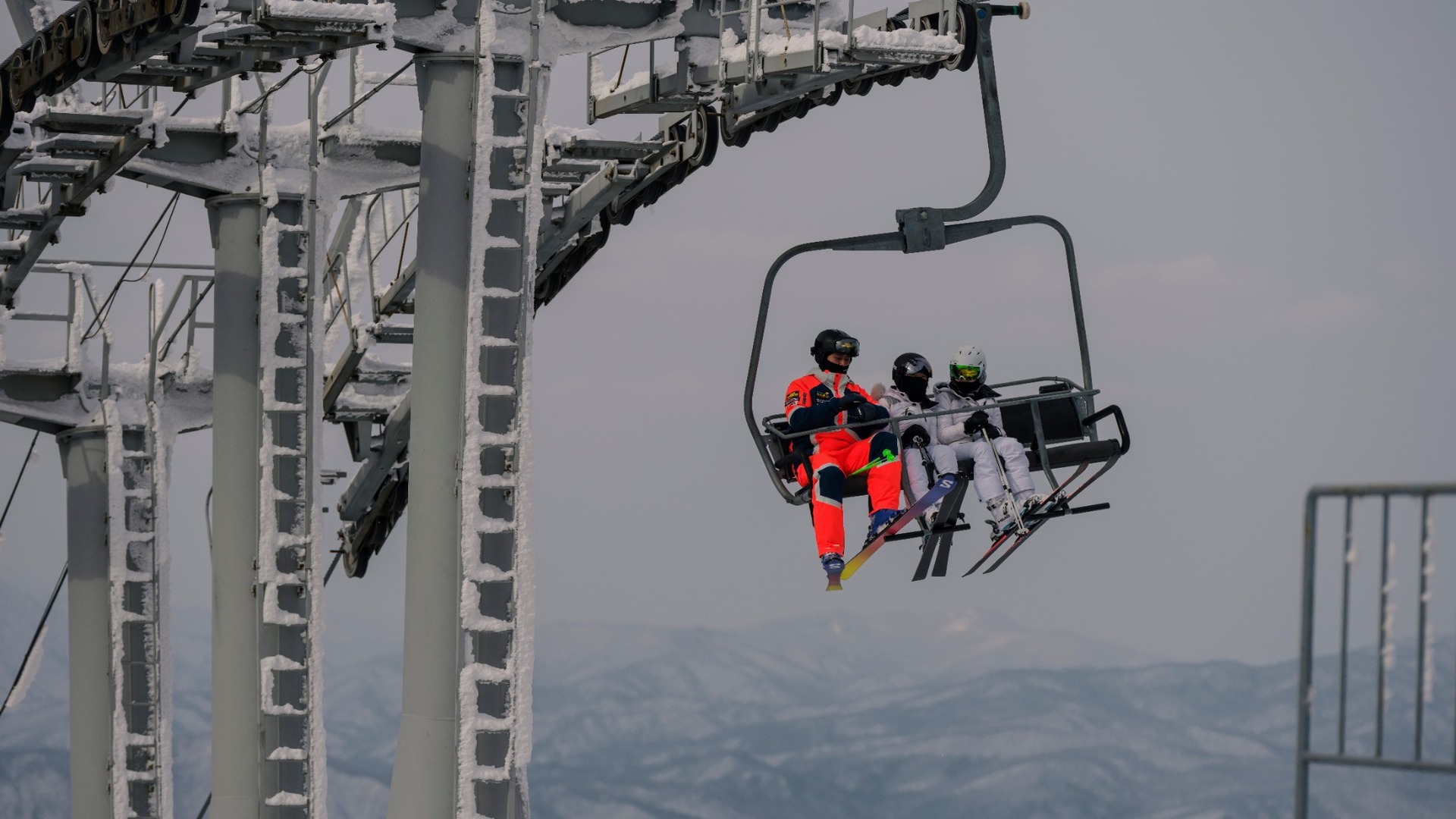
In the parking lot, you zip your jacket halfway up. By the time you get off the first chairlift, you’re trying to pull your neck gaiter over your nose without taking your gloves off. One lift ride and it feels like different weather. The wind is in your face, a thin layer of snow is skimming across the run, and that easy turn from yesterday takes a little more attention today. When you’re deciding where to ski on a windy day, check which lifts are running, where the snow has drifted, and how clearly you can see the slope ahead.
Why is one lift on hold while the next one is still running?
Wind blowing across a lift line can make the chairs sway more. That same wind might cause less trouble for a lift that runs in a different direction. The resort also considers how exposed the line is and how hard the wind gusts. That’s why the upper chair can go on wind hold while the lift below keeps running. A lift that opens in the morning can also go on hold around midday. (Sources: Perisher · Mt Ruapehu)
If you’re planning to start at the summit, pick out an open run and a lift you can lap lower down as a backup. If you’re heading to the other side of the mountain, check which lift you’ll need to get back. Two runs can look close together on the trail map, but if the lift between them stops, your loop may be cut short.
One turn can be soft and the next one firm
Wind strips loose snow from exposed ridges and slopes and drops it elsewhere. You can hit a patch where the firm surface underneath has been exposed, then find yourself in a deeper drift a few turns later. Even after an overnight snowfall, some stretches of the same run can still feel firm in the morning. (Source: Avalanche Canada)
For your first run, pick an open trail you’re comfortable on and take it slow. Be ready for the surface to change as you move from a sheltered stretch onto an exposed slope. That fresh snow at the edge of the run can look tempting, but respect closure signs. Off the marked runs, windblown snow can build up into a slab that can release as an avalanche. (Source: Colorado Avalanche Information Center)
Visibility can drop even when it isn’t snowing
When the wind picks snow up off the ground, the edge of the run you could see a few seconds ago can fade from view. On an open slope, once everything turns white, it’s hard to spot a small bump or see where the slope gets steeper. If there’s an open, tree-lined run, the trees can give your eyes something to lock onto. Some stretches may also be more sheltered from the wind. (Source: National Weather Service)
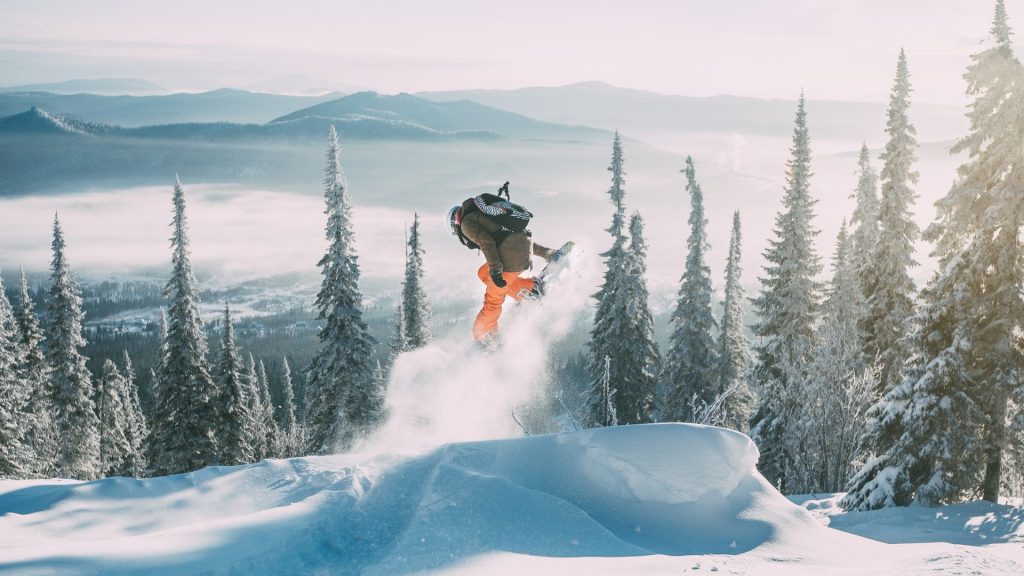
Slow down enough to stop within the distance you can see. If you’re struggling to make out the trail boundaries or the skiers ahead, take a break until visibility improves. Keep an eye on resort updates for trail openings and directions.
Factor in the chill on the chairlift
You warm up on the way down, then sit on the chair and suddenly feel cold. Wind speeds up heat loss from exposed skin. A neck gaiter, ski goggles, and a windproof outer layer come in handy, especially on a long, exposed lift ride. If your gaiter’s at the bottom of your pack, fish it out before you join the lift line. It’s easier than rummaging around with gloves on once you’re in the chair. (Source: National Weather Service)
Check the morning forecast, then see how the first run feels
If your weather app has separate forecasts for the base and summit, look at both. Check the gusts alongside the hourly average wind speed. Gusts tell you how hard the wind can blow in short bursts. Then check the resort’s latest lift and trail report. The forecast gives you a sense of when conditions might change. The resort report tells you which lifts are running.
Say the gusts pick up at the summit around noon and the upper lift goes on hold. If there’s a run that suits your ability lower down, with good visibility and a lift that’s running, start there. After the first run, see how the snow feels and how much of the slope you can see. Sometimes the best run of the day is the short one you barely noticed on the map that morning.