
What to wear skiing: a head-to-toe guide to layering
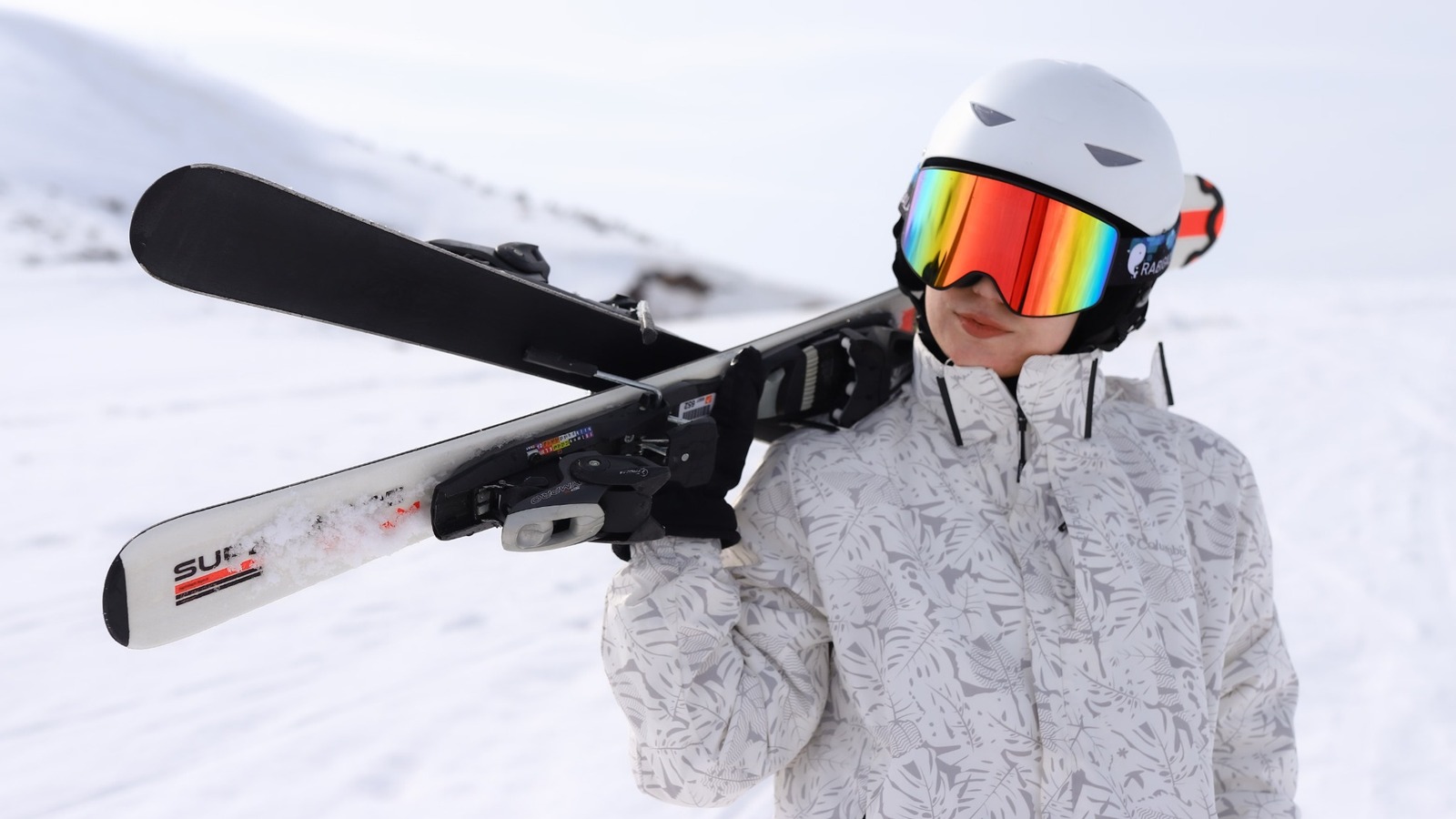
Packing for a ski holiday is always exciting. Snow, cold, pistes, parties, sucuk sandwiches, boards and, above all, that view… But when it comes to what to wear skiing, the first instinct is usually the same: a thick coat, a thick jumper, thick trousers and, if possible, one more layer on top.
Yet the way to stay warm on the slopes isn’t to pile on as many thick clothes as you can. What matters is wearing the right clothes in the right order. On the piste you’re not just dealing with the cold: your body warms up while you ski, you sit still on the chairlift, sometimes you catch the wind and sometimes you sweat more than you expected out in the sun.
So a good ski clothing system has to do three jobs at once:
- Move moisture away from your body
- Hold on to as much heat as you need
- Keep wind and snow out
The most practical way to do that is the three-layer system: base layer → mid layer → outer layer. Let’s start at the top and work our way down to the ski boots.
Why does layering matter for skiing?
On a ski day, neither the weather nor your activity level stays the same. You might heat up while putting more effort into one run, then sit on a chairlift for a few minutes barely moving at all. When the sun comes out it can feel warmer than you expected, while on a windy stretch you can get cold within minutes.
That’s why layers you can take off and put back on as needed are more useful than one very thick garment. The logic of the system is simple: the base layer manages moisture, the mid layer holds in warmth and the outer layer protects you from the weather.
Layer 1: the ski base layer
The base layer is the part of your ski clothing nobody sees, but it’s certainly one of the most important. It sits directly against your skin and can be worn as a two-piece set, top and bottom. When people hear “base layer”, most of them think of “keeping warm” first; that’s part of it, of course, but its main job is to move sweat away from your skin.
If you sweat while skiing and that moisture stays in your clothes, you can start to feel cold faster as soon as your activity level drops.
What material should a ski base layer be made of?
The most common options are:
- Merino wool
- Polyester and other synthetic fabrics
- Merino-synthetic blends
Merino wool stands out for comfort and odour control. Synthetic fabrics, on the other hand, usually dry faster and perform well when you’re active. What matters here isn’t just whether the label says “thermal”; the real question is how well the fabric manages moisture.
Can you wear a cotton base layer?
Ideally, no. Cotton soaks up moisture and holds on to it for a long time, so it’s a poor choice for activities like skiing, where you’re sweating and dealing with cold air at the same time.
Layer 2: the mid layer
The mid layer’s job is to hold in your body heat. Pieces that work here include:
- A thin or midweight fleece
- A technical fleece
- A lightweight synthetic insulated jacket
- A thin puffer jacket
But “the thicker, the better” doesn’t hold for the mid layer either. If you wear a mid layer that’s thicker than the weather calls for, you can quickly get uncomfortable. Skiing is an active sport, after all, and you may start sweating sooner than you think.
Is a fleece enough for skiing?
For most days at a ski resort, yes. A good thermal base layer + fleece + ski jacket can be a well-balanced combination. But if it’s very cold, the wind is strong, you feel the cold easily or you’ll be spending a long time on chairlifts, you may prefer a warmer mid layer.
On some days, though, it can be so mild that you don’t need a mid layer at all. In other words, there’s no rule saying you must wear one whatever the weather. It’s more accurate to think of the mid layer as the system’s adjustment dial than as a fixed item.
Layer 3: the ski jacket

The outer layer protects you from wind, snow and wet. There are two basic options here.
Insulated ski jackets
These jackets have a certain amount of insulation built in. They’re a practical choice, especially if you ski the pistes at a resort, ride chairlifts often and don’t want to keep fiddling with your layers.
Shell ski jackets
Shell jackets have no significant insulation inside. Their main job is to keep wind and snow out; you control the warmth yourself with your base layer and mid layer. This system is more flexible: on very cold days you can wear a warmer mid layer, and on warm days you can lighten the whole setup.
One thing to keep in mind: don’t buy a shell jacket on its own and expect it to keep you properly warm. A shell gives you protection from the outside; the insulation underneath is up to you. If you’re thinking of renting a jacket for your first season rather than buying one, take a look at our comparison of renting vs buying ski equipment too.
Which ski jacket features are actually useful?
On the piste, these details come in very handy:
- Underarm vents
- Powder skirt
- Adjustable cuffs
- Helmet-compatible hood
- Sleeve pocket for your ski pass
- Protection from water and wind
Vent zips in particular matter. Sometimes simply opening the vents is enough, rather than taking off a whole layer.
What should you wear under ski trousers?
The lower half is a bit simpler. In most conditions, thermal leggings + ski trousers will be enough. If it’s very cold or you feel the cold easily, you might add an extra thin mid layer.
If you’re planning to wear ski trousers over thick tracksuit bottoms, it’s worth thinking again. And wearing ski trousers over jeans or everyday trousers is definitely not a good idea: it restricts your movement and adds unnecessary bulk underneath. Bibs, or ski trousers with shoulder straps, can be especially handy for beginners, as they cut down on snow getting in at the waist when you fall. If you can’t decide whether to buy insulated or shell trousers, have a look at our article Insulated or shell: which ski trousers should you buy?
What kind of ski socks should you wear?
One of the most common mistakes here is wearing two pairs of socks. It might seem logical at first; surely two pairs are warmer? In a ski boot it works a little differently: the boot already wraps your foot quite tightly, and extra bulk can take up the space inside and create pressure points. So in trying to keep your feet warmer, you can end up ruining your comfort.
That’s why a single pair of long socks designed for skiing is usually the better choice. Merino or technical synthetic fabrics both work; we’ve covered how these materials handle moisture and odour in more detail in our hiking socks guide. What matters is that the sock comes up to just below the knee, doesn’t wrinkle inside the boot and isn’t thicker than it needs to be.
If you can, don’t bunch your thermal leggings up inside the boot either. Having mainly just the sock inside the boot makes for a more comfortable fit.
Ski gloves or mittens?
The everyday gloves we wear around town usually aren’t up to skiing. Ski gloves need to protect you from both wind and snow. You’ll come across two basic options:
- Gloves: They give you more dexterity. Zips, buckles and equipment are easier to deal with.
- Mittens: They usually feel warmer, because most of your fingers share the same compartment.
If your hands get cold easily, mittens may be the more sensible choice. On very cold days, you can also add a pair of thin liner gloves to the system.
Do you need a neck gaiter or balaclava?
Another thing not to overlook is protecting the areas your jacket can’t cover; don’t forget your neck and face in particular. A thin, technical neck gaiter will usually be enough. If it’s colder and windier, a balaclava that also covers part of your face may be more useful.
Choosing quick-drying technical fabrics over thick cotton scarves is both more practical and more comfortable.
Should you wear a beanie when skiing?
If you wear a helmet, squeezing a thick beanie underneath it usually isn’t a good idea. Many ski helmets these days already provide a certain amount of insulation. In very cold weather, you can add a thin skull cap or balaclava under your helmet.
The main thing to watch is that the helmet still sits properly on your head.
Are ski goggles only for when it’s snowing?
No. Goggles don’t just protect your eyes from snow; they also make a real difference to your comfort against wind, cold and the intense light at high altitude. The sun in particular is something people tend to overlook.
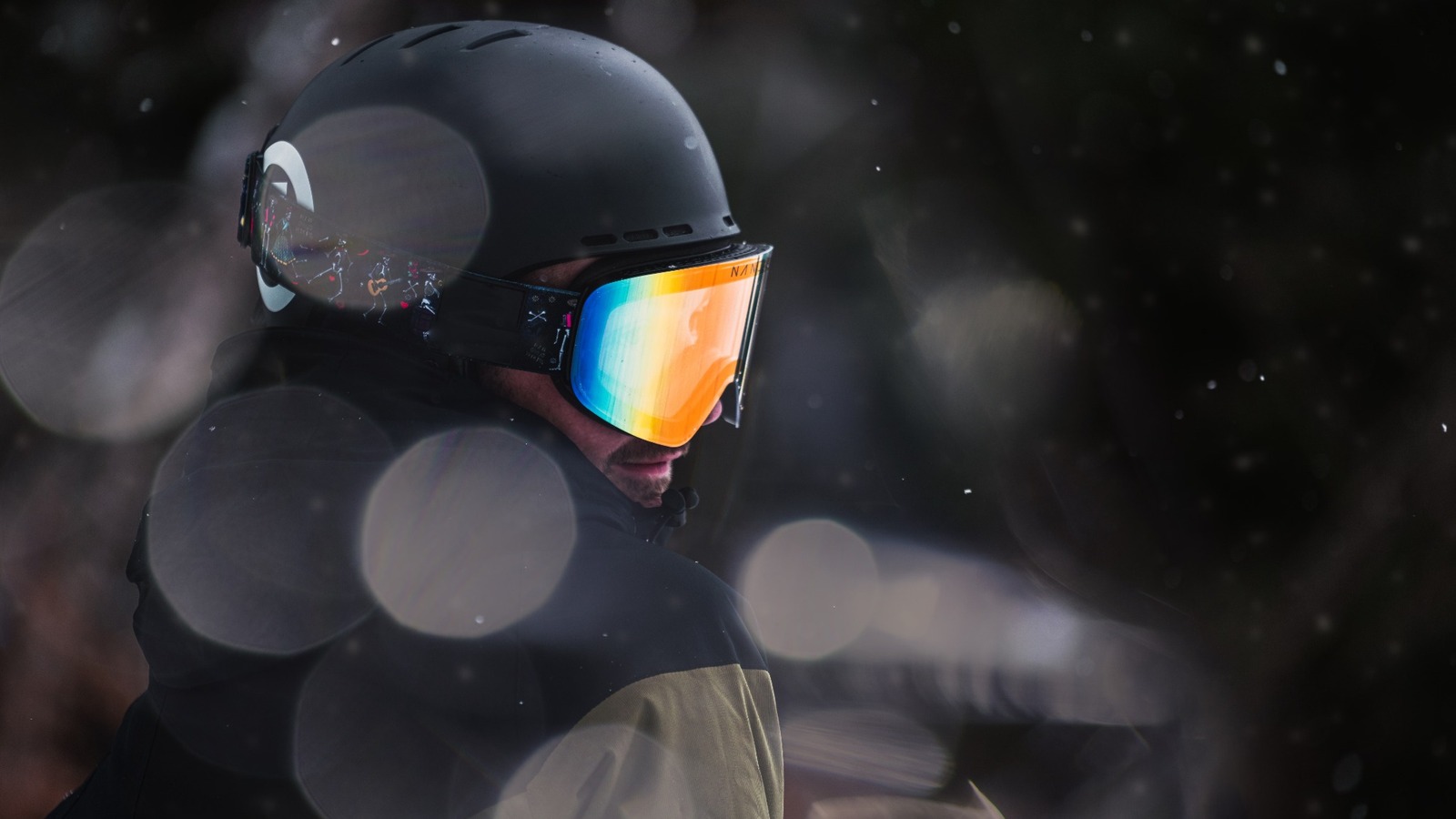
A clear, sunny ski day can sometimes tire your eyes more than an overcast one, because sunlight reflects strongly off the snow. As for lenses, there isn’t one single “best” option: different lens properties suit bright sun, cloudy weather and low visibility.
Why is overdressing a bad idea when skiing?
One of the most common mistakes on the slopes is wearing more than you need so you don’t get cold. A thick base layer + jumper + fleece + puffer jacket + ski jacket can look pretty safe at first glance. But as you move you start to sweat; once that sweat builds up inside your clothes, the system can no longer keep you dry, and when your activity level drops, that moisture can make you cold faster.
So the basic principle in skiing isn’t “the thicker, the warmer” but “as warm as you need, as dry as possible.”
If it’s your first time skiing with a layering system, it’s normal to feel a little underdressed at the start. But after a few runs, once your body has warmed up, it becomes much clearer why the system is built this way.
How do you adjust your layers to the weather?
The answer to what to wear skiing can change even within a single day. There’s no one rule along the lines of “at this temperature you must wear these layers”. That’s because it’s not only the temperature: wind, humidity, sun, your activity level and how easily you personally feel the cold all change the outcome. Checking the forecast for your resort with the Turkish State Meteorological Service and packing your bag accordingly makes things easier. Still, three simple examples can help.
A mild, sunny ski day
- Thin thermal base layer
- Shell or lightweight ski jacket
- Thermal leggings
- Ski trousers
You can keep your mid layer in your bag.
Normal winter conditions
- Thermal base layer
- Thin or midweight fleece
- Ski jacket
- Thermal leggings
- Ski trousers
A good starting combination for most days at a ski resort.
A very cold, windy day
- Midweight thermal base layer
- Warmer fleece or lightly insulated mid layer
- A robust outer layer
- Thermal leggings
- Ski trousers
- Neck gaiter or balaclava
- Warmer gloves or mittens
What matters here isn’t adding layers at random but working out which part of your current system isn’t doing enough. Where these layers really get put to the test is at high-altitude resorts: at Sarıkamış Cıbıltepe, the pistes start at 2,140 metres and finish at 2,628 metres, and the same temperature feels much harsher at that altitude.
What to wear skiing: a clothing checklist for first-timers
When you head out onto the piste, these are the basics you need:
- Thermal base layer top
- Thermal base layer bottoms
- Fleece or another mid layer
- Ski jacket
- Ski trousers
- One pair of ski socks
- Water- and wind-resistant ski gloves
- Neck gaiter or balaclava
- Ski helmet
- Ski goggles
Don’t treat this list as a fixed uniform: as the weather warms up, scale back the mid layer, and as the cold and wind pick up, boost your insulation. If you haven’t decided which resort to go to yet, our list of ski resorts in Turkey can point you in the right direction; if you’re torn between skiing and snowboarding, take a look at our comparison of the two. The clothing list is largely the same for both sports.
The most common ski clothing mistakes
- Using a cotton T-shirt as a thermal base layer
- Wearing two pairs of socks
- Skiing in jeans
- Wearing more layers than you need
- Focusing only on how thick your jacket is
- Looking at the forecast only in terms of temperature
The answer to what to wear skiing really isn’t that complicated. Start with a good base layer, a mid layer that’s as warm as it needs to be and an outer layer suited to the weather, and most of the system is already sorted. The rest is managing those layers properly as the weather and your activity level change.