
Ski Equipment Guide for Beginners: Should You Rent or Buy?
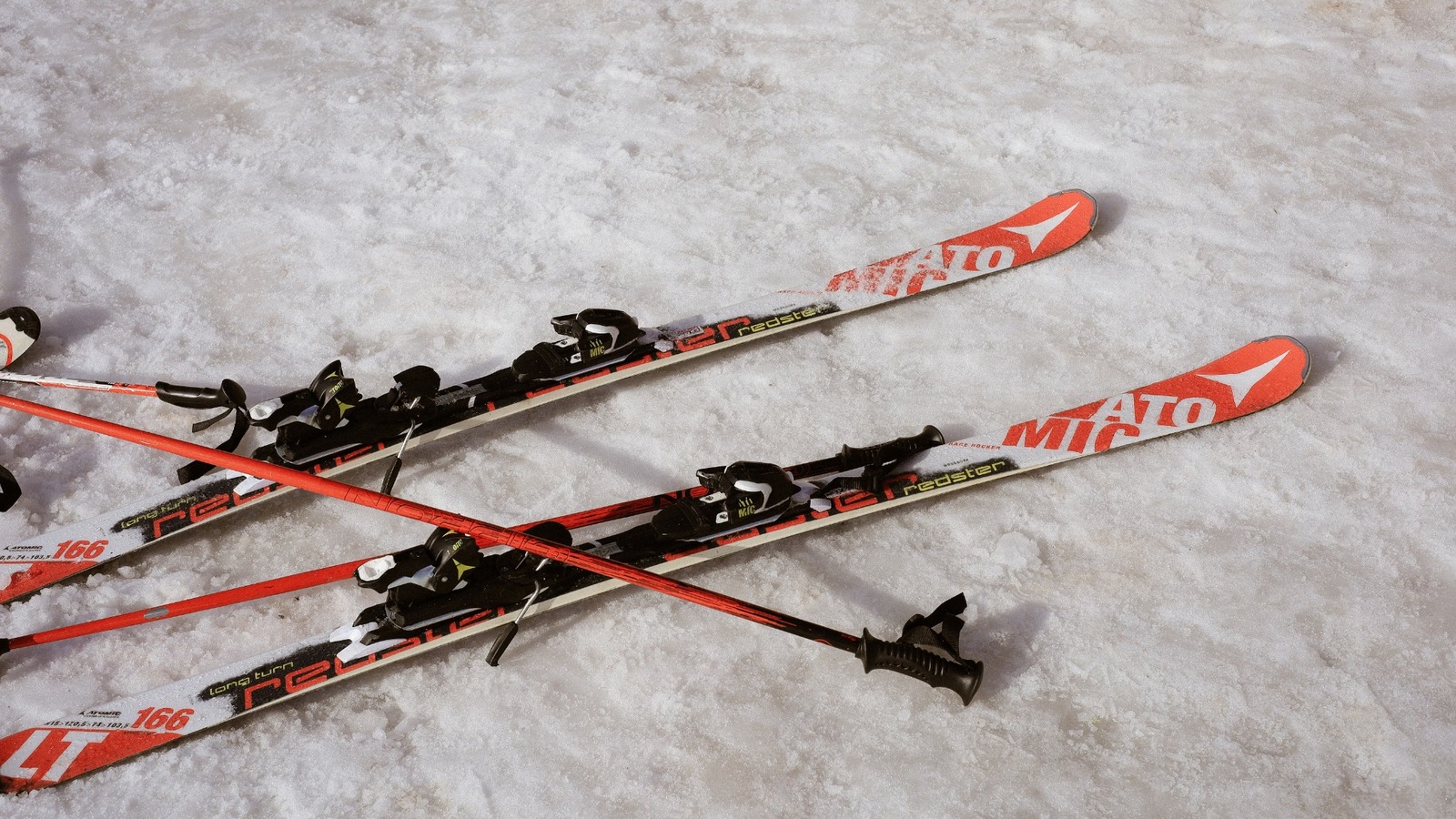
If you’re going skiing for the first time, the equipment list can feel overwhelming. Suddenly, you’re looking at skis, boots, poles, helmets, goggles, thermal layers, snowboards and a dozen other things you may never have used before. Before you’ve even stepped onto the snow, it can seem as though you need to spend a small fortune. The good news is that you don’t need to buy everything from day one. If you’re only heading to the slopes for a few days, doing so may turn into an unnecessary expense.
You don’t yet know whether you’ll stick with the sport, and there’s a good chance your first equipment choices won’t be quite right. The most sensible approach is simple: buy the personal items that sit close to your skin, and rent the expensive equipment that depends heavily on your size, ability and riding style.
What Ski Equipment Should a Beginner Buy?
For a first ski trip, it helps to divide your equipment list into two groups. On one side are the personal items that come into direct contact with your body. On the other are the more expensive pieces of hard equipment that require maintenance and may need to change as your skills improve.
Items worth buying:
- Thermal base layers
- Ski socks
- Gloves
- Ski goggles
- Helmet
- Ski jacket and trousers
Items you can rent at first:
- Skis
- Bindings
- Ski boots
- Poles
- Snowboard and bindings
Buying your own skis or snowboard straight away can be tempting. When you see all those shiny new setups lined up in a shop, it’s easy to get carried away. But at this stage, you probably don’t know which length feels comfortable, what level of stiffness suits you or how often you’ll actually go skiing. That’s why renting makes much more sense in the beginning. If you’re still deciding which sport to try, our guide to whether skiing or snowboarding is easier may help you choose.
Why Is Layering So Important?
Dressing for winter sports isn’t simply about wearing the thickest clothes you can find. The goal is to stay warm while allowing moisture from sweat to move away from your body. A single bulky layer rarely does this well. A three-layer system is usually far more comfortable.
Base Layer
The base layer sits directly against your skin, so it’s one of the most important parts of your ski clothing. Try to avoid cotton. It absorbs sweat, dries slowly and can leave you feeling cold once you stop moving or sit on a chairlift. Wet cotton also becomes heavier and increasingly uncomfortable as the day goes on. Synthetic fabrics and merino wool are much better options for thermal base layers.
The same principle applies to socks. Cotton socks can become damp inside your boots and make your feet cold. Many of the features covered in our guide to choosing the right outdoor socks also apply to skiing. The main difference is that ski socks are usually longer and relatively thin, helping them sit smoothly inside the boot without bunching up.
Mid Layer
The mid layer helps retain body heat. A fleece, lightweight synthetic jacket or thin insulated layer will usually do the job. You don’t necessarily need the thickest option available. Skiing is an active sport, and overdressing can make you sweat more than expected. Once that moisture cools down, all those extra layers may leave you feeling colder rather than warmer.
Outer Layer
Your ski jacket and trousers form the outer layer. Their job is to protect you from snow, wind and changing weather conditions. A waterproof rating of around 10,000 mm or higher can be a useful starting point for beginners. However, waterproofing isn’t the only thing that matters. You should also consider breathability, especially if you expect to spend a full day on the mountain.
Can You Rent a Ski Helmet and Goggles?
The short answer is yes. Both can usually be rented. If your budget allows, however, buying your own helmet and goggles can be worthwhile. The most important thing about a helmet is getting the right fit. It shouldn’t wobble when you move your head, but it shouldn’t squeeze uncomfortably either. It also needs to work properly with your goggles, without leaving an awkward gap or pushing them down onto your nose. Measuring your head and checking the manufacturer’s sizing chart is just as useful here as it is when choosing a cycling helmet.
With goggles, look at how well they fit your face, whether they work with your helmet and how effectively they resist fogging. Lens choice also matters, as different lenses perform better in bright sun, flat light or snowfall. Standards such as ASTM F2040 set out performance requirements for recreational snow-sports helmets. A properly fitting helmet marked with a recognised standard may give you more confidence than a rental helmet with an uncertain history. Helmets and goggles can also last for several seasons when they’re looked after properly. If you think you’re likely to continue skiing, they’re among the first pieces of equipment worth buying.
Why Should You Rent Skis and Boots First?
One of the most expensive mistakes a beginner can make is buying skis or a snowboard before knowing what they actually need. Let’s be honest: walk into a ski shop and it’s hard not to get excited. Snowboards in particular sometimes look as though they’re practically shouting, “Take me home.” Still, a little patience can save you a lot of money.
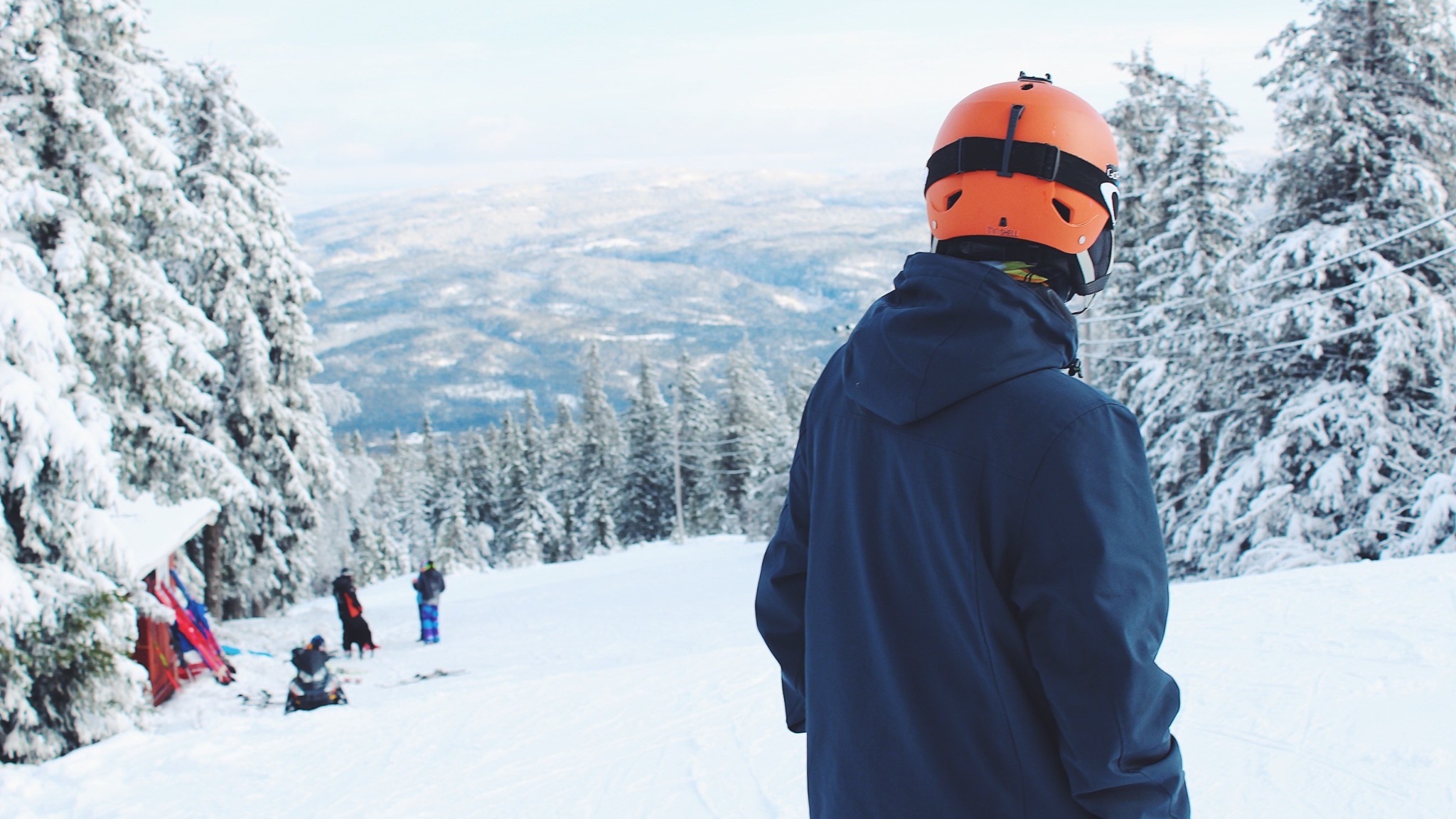
Ski length, stiffness and overall handling vary considerably. During your first few days, a forgiving ski that turns easily may be exactly what you need. Once your technique improves, you may want something completely different. Boots are even more personal.
Ski boots aren’t chosen in quite the same way as everyday shoes. Your usual shoe size matters, but so do:
- the width of your feet,
- how securely the heel is held,
- the shape of your calves,
- the boot’s flex rating
and other details like these. Rental boots should feel snug, but they shouldn’t crush your feet. They also shouldn’t feel as loose as normal walking shoes. If your heel lifts too much inside the boot, controlling the skis becomes more difficult. Renting first gives you a chance to understand what a good fit should feel like before spending serious money on your own pair.
What Should You Check When Renting Ski Equipment?
You don’t have to accept the first set of equipment you’re handed without checking it. Take a minute to inspect the base of the skis or snowboard for any serious damage. A few cosmetic scratches are normal for rental equipment, but deep gouges or visibly damaged edges are worth questioning. Bindings must be adjusted for your height, weight, ability level and boot, and a qualified member of staff should handle that adjustment.
Once you’ve put the boots on, walk around for a few minutes. A firm, close fit is normal. Sharp pain, numbness or severe pressure is not. If something feels wrong, ask to try another pair rather than hoping it will somehow improve once you’re on the mountain. You don’t need to worry too much about poles at this stage. Some beginners don’t use them during their first lessons at all. If you do need poles, the rental shop should simply provide a length that suits your height.
Before joining the rental queue, you may want to check the latest snow depth and weather conditions at your destination. Our ski resort conditions tool brings current information from ski areas across Türkiye together on one page. If you haven’t chosen a resort yet, our guide comparing ski resorts in Türkiye by season and ability level can help narrow down the options.
Is It Better to Rent or Buy Ski Equipment?
The answer mostly depends on how many days you expect to ski each year. If you ski for only one to three days a year, buying skis, boots and poles is rarely worthwhile. There are other costs and practical details too: you need somewhere to store the equipment, a way to transport it and a plan for regular maintenance. If you ski for around four to eight days a year, you could buy your personal clothing and protective equipment while continuing to rent skis and boots. The resort’s altitude can affect that calculation as well: at Kartepe, for example, the pistes sit at roughly 1,249 to 1,573 metres, the lowest base elevation currently listed in our tool, so its reliable snow window can be shorter than at higher-altitude resorts and it is harder to predict how many ski days you will get in a season.
Once you’re skiing for ten days or more each year, buying your own boots starts to make more sense. Your own skis can follow later. A properly fitted pair of boots can make a noticeable difference to both comfort and control, so they’re usually the first major piece of hard equipment worth investing in.
In What Order Should You Buy Ski Equipment?
There’s no need to buy everything at once. Building your setup gradually is usually easier on your budget and gives you time to understand what you actually need. If it were us, we’d buy the equipment in this order:
- Thermal base layers, ski socks and gloves
- Ski goggles
- Helmet
- Ski jacket and trousers
- Ski boots
- Skis or snowboard
- Poles
The first four groups of items can also be used for other winter activities, so they’re less likely to sit unused if skiing doesn’t become a regular habit. For anything that isn’t urgent, it’s also worth waiting for end-of-season outdoor equipment sales; winter products often become considerably cheaper as spring approaches. Once you eventually buy your own skis, you’ll also need to think about pre-season ski maintenance before each winter.
Final Thoughts: Don’t Rush During Your First Season
If you’re going skiing for the first time, you really don’t need to buy a complete set of equipment. Renting skis, bindings, boots and poles is a perfectly sensible way to begin. It keeps the initial cost down and gives you time to discover what feels right after a few days on the snow.
In fact, spending more of your first-trip budget on lessons rather than equipment may be the better investment. Learning the correct basic techniques will affect both how much you enjoy those first days and how quickly you improve. For most beginners, renting the main equipment and focusing on lessons is the smarter way forward.
Thermal clothing, ski socks, gloves, goggles and a helmet are more personal purchases that can serve you well for several seasons. If skiing becomes a regular part of your winters, you can move on to your own boots first and your own skis later. After all, the best ski equipment for a beginner isn’t the most expensive setup in the shop; it’s the equipment that fits properly, keeps you comfortable and helps you learn with confidence. You can also explore our other winter sports guides to get ready for the season.