
What is Gore-Tex, and do you really need it?
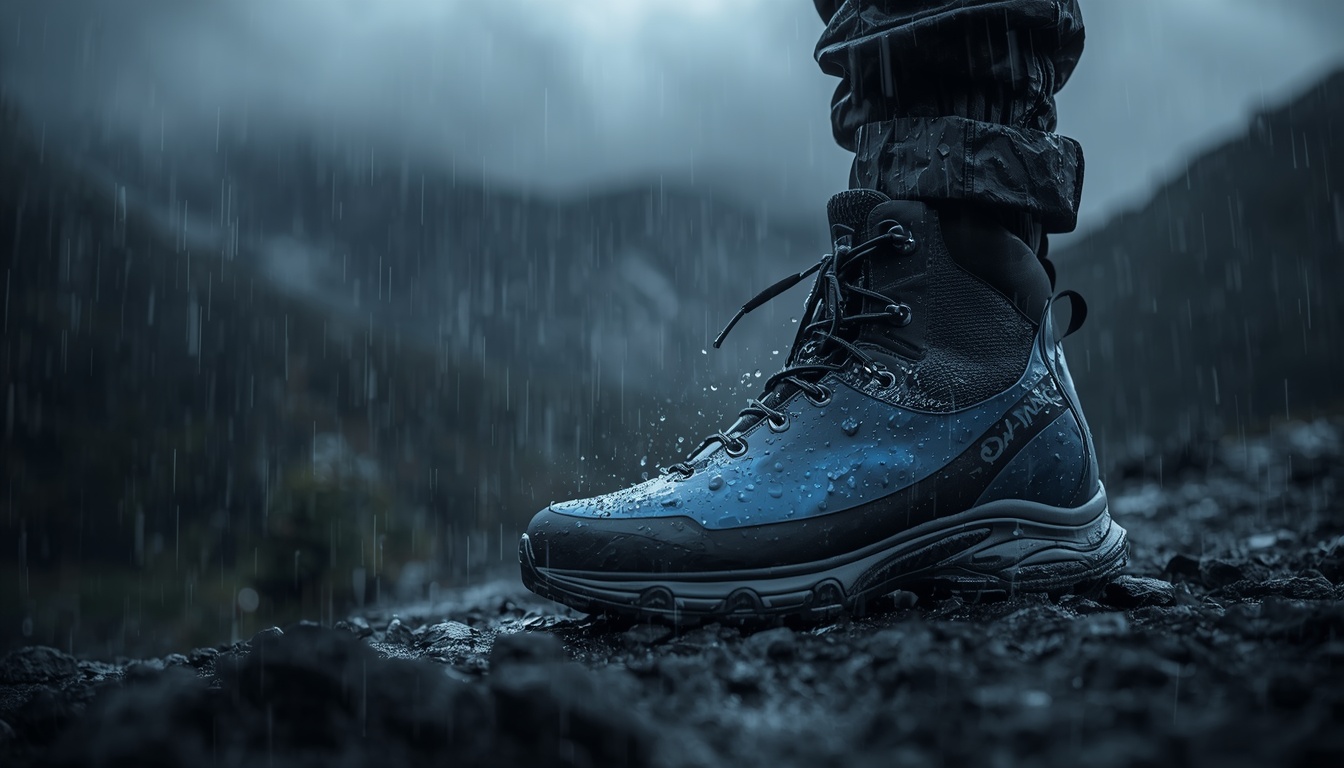
Hello everyone! Today I want to talk about Gore-Tex. If you’re getting into outdoor sports, or winter’s on its way and you’ve decided it’s time for a new jacket or pair of shoes, you’ll probably run into the word Gore-Tex. The other one you’re bound to see is “waterproof”. If you don’t know much about this stuff and you’re just buying something to get you through the winter, it’s perfectly natural for these terms to mean nothing to you.
Read the reviews online and you’ll find some people treat Gore-Tex as absolutely essential, while others see it as a marketing gimmick. And since a Gore-Tex product is usually more expensive, it’s only natural to be a bit sceptical.
I’m an ordinary user who has worn and tested Gore-Tex products for years, and today I’ll do my best to explain what Gore-Tex is, how it works, and what its advantages and disadvantages are.
Let me say up front that I’m not a professional. I’m simply sharing what I’ve found in my own research and learnt from years of using these products from different brands. With that out of the way, let’s start with the obvious question: what is Gore-Tex?
What is Gore-Tex?
Whether you live a city life or spend your time out on the hills and mountains, one of the things you’ll least want in winter is to get wet.
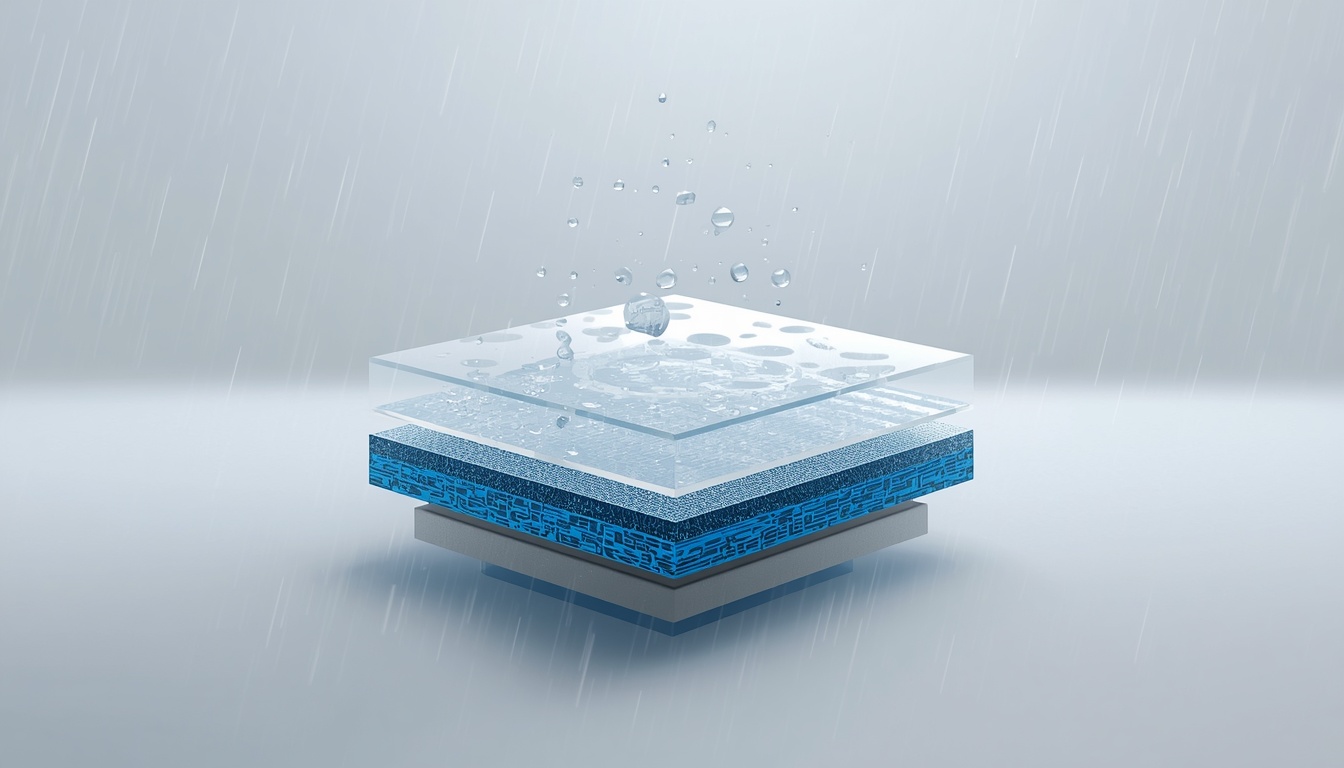
Back in 1970, Gore-Tex was created as a waterproof, breathable material technology.
For most of us, breathability isn’t the first thing we think about when we pull on a jacket. Yet we’ve all sat in a thick, warm jacket that doesn’t breathe at all. Maybe on the work shuttle, maybe on public transport (those are the first that come to mind) – after a while you start to sweat, and it gets really uncomfortable. That’s exactly where breathability starts to matter.
These days Gore-Tex turns up in all sorts of outdoor gear, from shoes, jackets and gloves to tents.
The idea behind Gore-Tex is simple. The technology is basically saying: “Look, mate, I’ll keep water like rain out, and I’ll let the sweat your body produces escape.” Put like that, it sounds as if I’m making light of a hugely complex technology, but that really is the aim. Actually pulling it off, though, is a big deal.
How does Gore-Tex work?
And if you’re wondering, “Fine, but how does Gore-Tex actually do that?”, the secret is in the material. It all comes down to a special membrane made up of pores far too small for the human eye to see.
The pores are too small to let water droplets through, but big enough to let out the water vapour from our sweat. It’s a remarkable piece of technology.
For us as users, that means even if we get rained on while walking, the water doesn’t reach our inner layers, and because our sweat is carried away, it doesn’t leave us feeling clammy. So it’s no surprise at all that a technology like this became so popular.
The DWR coating on the outer surface is also an essential part of the system.
The advantages of Gore-Tex
You stay drier in the rain
Without a doubt, the biggest advantage of Gore-Tex is that it keeps you dry in wet weather. In autumn and winter, whether you’re out hiking or get caught in a shower going about your day in the city, it’ll keep you dry.

I think we’ve all known the misery of walking in wet socks at least once in our lives. And if you’re doing an outdoor sport and your socks get soaked, your performance is going to drop too.
It gives you confidence on muddy, wet trails
This one is about shoes. On morning dew, in the rain or where there are small puddles, Gore-Tex shoes are more practical than ordinary ones. Thanks to the membrane, they’ll keep you dry when they’re briefly in contact with water. Ordinary shoes, on the other hand, can let water in and ruin your day.
It keeps you comfortable in the cold
I’ll use feet as the example, but you can apply the same idea to your body with jackets or your legs with Gore-Tex trousers.
Moisture makes you cold. Water getting into your shoes, or damp that hangs around for a long time, is uncomfortable in cold weather. The membrane cuts down on that and helps you have a more comfortable day.
You can use it all year round
Online you’ll see people who choose this technology because they can use it in all kinds of weather. The thinking is usually: buy one product and don’t spend more than you have to. After all, buying something different for every season will cost you more than a single product like this.
From my own experience, I want to add something here about Gore-Tex in running shoes in particular. Gore-Tex running shoes may be good in winter, but in spring and summer they make your feet burn. That’s because they aren’t made from the usual running shoe materials. They’re also stiffer, which can be a problem when it comes to flex.
You may well be able to use other Gore-Tex gear all year round, but when it comes to running or walking shoes, my advice from experience, dear friends, is to wear Gore-Tex only in autumn and winter.
The disadvantages of Gore-Tex
It’s not all sunshine and roses with Gore-Tex either. Like everything else, it has its downsides.
It can hold in more heat
I’ll put what I mentioned above at the top of the list. The membrane that makes it waterproof also restricts airflow to some extent. So, especially in summer, these products can feel warmer than models with an open mesh.
Breathability has its limits
I’ve been praising this technology for its breathability since the start, but that breathability isn’t unlimited. When people hear “breathable”, they tend to imagine it lets as much air through as an open-mesh running shoe. That just isn’t possible.
So you can still sweat during hard effort. But weighed against the benefits and how well it does breathe, that sweating is still a drop in the ocean, if you ask me.
It costs more
The Gore-Tex version of the same product from the same brand will usually be more expensive. So before you buy, ask yourself whether you really need Gore-Tex. Don’t throw your money away.
Who does Gore-Tex make sense for?
To give you an idea, here are a few cases where Gore-Tex makes sense:
- You regularly spend time outdoors in autumn and winter, especially if you go walking or do outdoor sports.
- You live somewhere that gets a lot of rain.
- You do trail running, winter camping or winter sports.
- You often find yourself on muddy, wet ground and spend time there.
- It’s not really me, but you’re the type who says, “I’ll get through all four seasons with one product.”
If that’s you, Gore-Tex could be a sensible choice.
Who might not need Gore-Tex?
For a start, not everyone needs Gore-Tex. The people around you may go for these products, but their lifestyle, the sports they do and so on may be different from yours. If:
- you do summer sports rather than winter ones,
- you spend more time on tarmac or paving and don’t really deal with muddy ground,
- you live somewhere that doesn’t get much rain,
then standard models may suit you better than Gore-Tex. At this point, our Gore-Tex vs softshell comparison might also come in handy.
A common mistake: thinking Gore-Tex is completely waterproof
Let me be clear: Gore-Tex is not a superhero. Plenty of people think, “It’s Gore-Tex, nothing can get through it.” That’s a big mistake.
Gore-Tex isn’t waterproof without limits. No membrane can stop water that comes in over the top of the shoe or above the ankle.
Think of Gore-Tex as a technology that gives you a high level of protection against water. With jackets and the like, for example, brands use specific figures and ratings to show you how waterproof the product is. In short, Gore-Tex is a good technology, but it won’t protect you from everything.
The verdict: should you buy Gore-Tex?
After writing all this, I think you’ve gathered that I’m not going to tell you to definitely buy it or definitely not. There’s no single right answer. What really matters here is your lifestyle.
So the first thing to do is take a look at how you’ll actually use it, and decide based on that.
If budget isn’t an issue – in other words, if one Gore-Tex item won’t stretch you financially – I’d put one in my wardrobe. And it wouldn’t be a jacket, windbreaker, gloves or trousers; it would be shoes. To be more precise, I’d get myself a pair of what are called “ankle boots”.
And if you’re unsure about the cost, I’d definitely buy in the summer, because prices can drop dramatically.
I’m afraid I won’t be recommending any brands or models. The main reason is that quality varies even between a single brand’s own models. For example, I have two pairs of Gore-Tex Timberland boots. I’m very happy with one pair, while the other has started letting in a little water at the toe, even though I’ve worn it less. So you could say there’s an element of luck involved.
For more guides on technical fabrics, jackets and outdoor clothing, have a look at our Outdoor Clothing category.