
The biggest dilemma when choosing a tent: freestanding or tunnel?
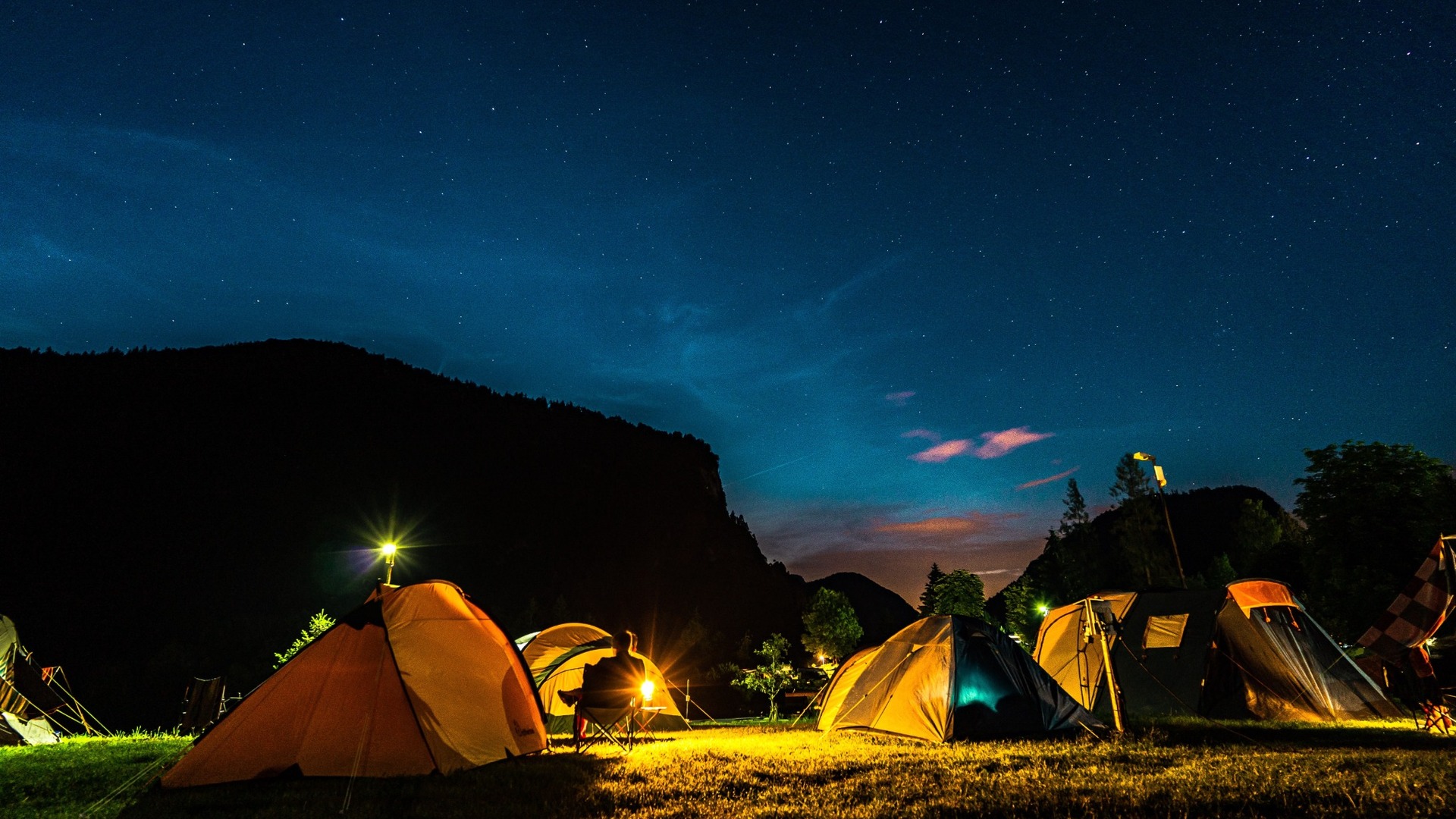
When we choose a tent, fabric quality, waterproof rating and weight are usually the first things we look at. They all matter. But the tent’s pole structure, how it behaves in the wind, how easy it is to pitch and what kind of ground you can comfortably use it on matter just as much. One of the most basic choices here is this: a freestanding tent or a tunnel tent?
There’s no one answer that suits everyone. What really decides the difference between the two designs is where you’ll use the tent, for how long and in what weather.
What is a freestanding tent?
In a freestanding tent, the poles cross over each other to form a frame that lets the tent stand up on its own. Once it’s pitched, it can hold its overall shape even before you’ve pushed the pegs into the ground.
This design is especially practical on campsites. After pitching, you can pick the tent up and move it a few metres, or easily shift it if you notice a stone or a slope underneath. It’s also a big advantage on rocky ground or anywhere pegs are hard to drive in. There’s one small misconception worth clearing up, though: freestanding doesn’t mean you should use the tent without pegs. In windy weather especially, it’s still important to peg the tent down and use the guylines.
Advantages of freestanding tents
- They’re usually easier to pitch.
- You can move them after pitching.
- They’re more practical on hard and rocky ground.
- They’re handy if you change pitches often.
- They can cope better with wind coming from different directions.
- They’re more forgiving if it’s your first time using a tent.
That’s why freestanding tents are a very safe place to start for weekend camping, campsites and general trekking.
What is a tunnel tent?
In a tunnel tent, the poles usually form arches running parallel to each other. Unlike a freestanding tent, this design doesn’t stand up on its own. To take its proper shape, it has to be pegged out and guyed down correctly.
At first glance it can look like more hassle. But there’s a significant payoff: tunnel tent models can offer a lot of living space for their weight. The difference becomes more noticeable on long trekking routes, bike tours or when you’ll be camping in the same area for several days. Many tunnel tents also have large porches, which makes it easier to keep your pack, trekking shoes and other kit outside the sleeping area. Storing anything you don’t want to get wet in a dry bag there is a handy habit too.

Freestanding or tunnel tent: which is better in the wind?
It wouldn’t be right to name a clear winner here. A tent’s wind performance comes down to several things working together:
- the tent’s overall shape,
- the thickness of the poles,
- the number of guy points,
- the fabric,
- the pegs you use,
- how well the tent is pitched.
A well-pitched tunnel tent can perform very well, especially when the wind is coming from the right direction. If you point the narrow end of the tunnel into the prevailing wind, its aerodynamic shape lets the wind flow over the tent more easily. That’s why a tunnel design can be very strong on open ground that gets constant wind. But there’s a downside. When the wind changes direction or starts hitting the side of the tent hard, that advantage can shrink. Freestanding tents, with their crossing or multi-directional pole structures, can cope better with wind from different directions. So in areas where the weather and wind direction change often, a freestanding design can be a bit more forgiving.
Which is more practical in the rain?
Whether a tent is freestanding or tunnel isn’t what decides how it performs in rain. The things that matter more are:
- the design of the flysheet,
- the waterproof rating,
- the seam sealing,
- the groundsheet fabric,
- the ventilation system,
- how tautly the flysheet is pitched.
One important advantage of tunnel tents, though, is that they usually have more porch space. On a rainy day you can leave your pack, boots and other kit there. On some larger models, the porch can even be big enough to cook in or sort out your gear. If you’ll be camping in wet weather for a long time, that extra space becomes far more valuable than you’d think. And if you find the inside of your tent wet in the morning even though it hasn’t rained, the cause is usually not a leak but condensation in the tent. In hot weather the problem flips the other way, and ways to keep your tent cooler are a separate topic.
Which should you choose for rocky ground?
Here the freestanding tent has a clear advantage. A tunnel tent relies more on pegs and guy points to work properly. On very hard, stony or completely rocky ground, that can make pitching difficult. A freestanding tent, on the other hand, takes its shape from its own frame first. Even if you can’t get the pegs into ideal spots, it’s usually easier to finish pitching. Still, in windy conditions you need to secure the tent as firmly as you can.
Which makes sense on a long trekking route?
When you’re choosing a tent for a long trekking route, it stops being just about how easy it is to pitch. This is where the weight-to-living-space ratio starts to matter. Tunnel tents can do very well on this front. Compared with some freestanding models of similar weight, they can give you more sleeping space or a bigger porch. A tunnel tent can be a very sensible choice for:
- multi-day trekking routes,
- bike tours,
- longer camps,
- routes where you store your kit in the porch.
But if you’re on a route where you’ll be pitching on different ground every evening, things change. If you’re camping on soil one night and on hard or stony ground the next, the pitching flexibility of a freestanding tent is a real advantage. So on a long trek, rather than looking only at weight, you also need to factor in the camping ground along the route. When choosing where to pitch, Leave No Trace’s durable surfaces principle is a useful framework.
Which tent makes more sense in which conditions?
Roughly speaking, you can think of it like this:
| Conditions | Better option |
|---|---|
| Regular campsites | Freestanding |
| Hard or rocky ground | Freestanding |
| Buying your first tent | Freestanding |
| Camps where you move pitch often | Freestanding |
| Wind from changing directions | Freestanding |
| Long trekking routes | Tunnel |
| Weight / volume a priority | Tunnel |
| Long camps in rainy weather | Tunnel |
| Need for a large porch | Tunnel |
| Open ground with constant wind | Well-pitched tunnel tent |
It’s better to treat this table as general guidance rather than a hard rule. A well-designed freestanding tent can perform far better than a badly designed tunnel tent, and the reverse can be true too.
Should you buy a freestanding or a tunnel tent?
If you’re buying your first tent and don’t have a very specific use in mind, a freestanding tent is usually the lower-risk choice. It’s easier to pitch, adapts more readily to different ground and is a bit more tolerant of the small mistakes you’ll make while camping. But if you’re heading out on multi-day trekking routes, carrying your tent on your back for long stretches and want as much living space as possible for the weight, it’s well worth seriously considering a tunnel tent. When choosing, ask yourself this: when you’re carrying the tent, what matters more to you, low weight and plenty of room inside, or being able to pitch it easily on any ground? Your answer will usually settle the choice between freestanding and tunnel for you. And if you don’t want to stretch your budget, keeping an eye on end-of-season kit sales pays off too.
In short
A freestanding tent has the edge on ease of use and adapting to different ground. A tunnel tent, meanwhile, stands out for its weight-to-living-space ratio, porch space and performance in strong wind from the right direction. So when you buy a tent, don’t just compare kilograms, waterproof ratings or brands. Think of the pole structure as part of how you’ll use it too. For more guides to camping and outdoor kit, have a look at our Outdoor Guide category.