
What to Wear Skiing and How to Stay Warm Without Overdressing
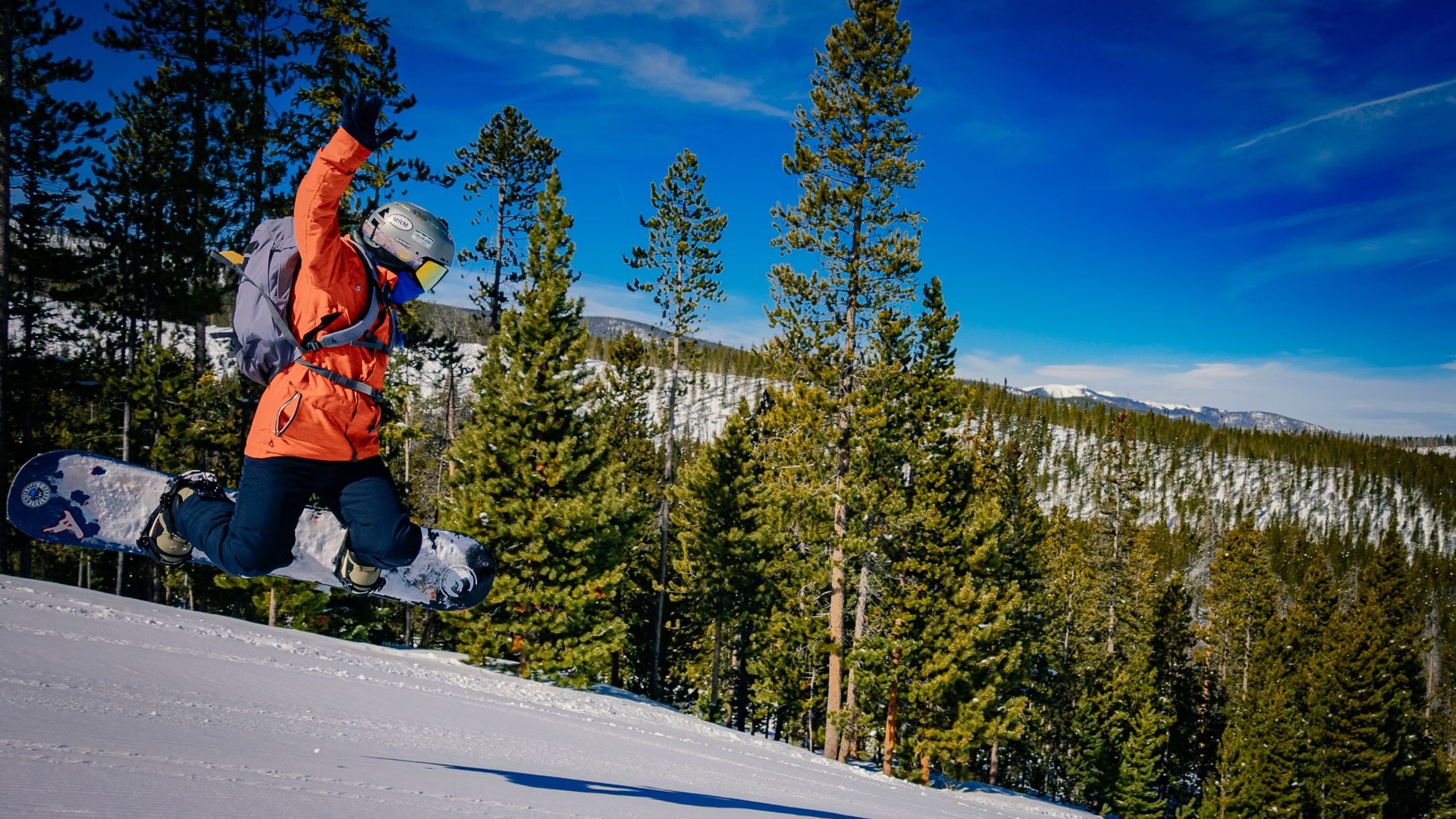
“It’s going to be cold up there. I’ll throw on one more layer.” That’s how an extra fleece ends up coming along for the ride. Layering is exactly what you want to do. The trick is picking the layers you’ll actually need.
Every extra layer can make you sweat more. The air might be cold, but your body starts generating heat as soon as you get moving. Once that happens, letting moisture escape matters just as much as staying warm. A good ski outfit helps you stay comfortable through both the run down and the ride back up.
A Little Cool at the Start Is Fine
Feeling slightly cool before your first run can make you wonder if you’ve underdressed. Give yourself a little time. Your legs and upper body are working throughout the descent, and you’ll warm up quickly on a long run or when you’re skiing hard. That slight chill will probably be gone after a few runs.
If you’re wearing too much, you’ll sweat and your clothes will get damp. Once you slow down or sit on the chairlift, that dampness can make you feel cold much faster.
How to Layer Your Upper Body
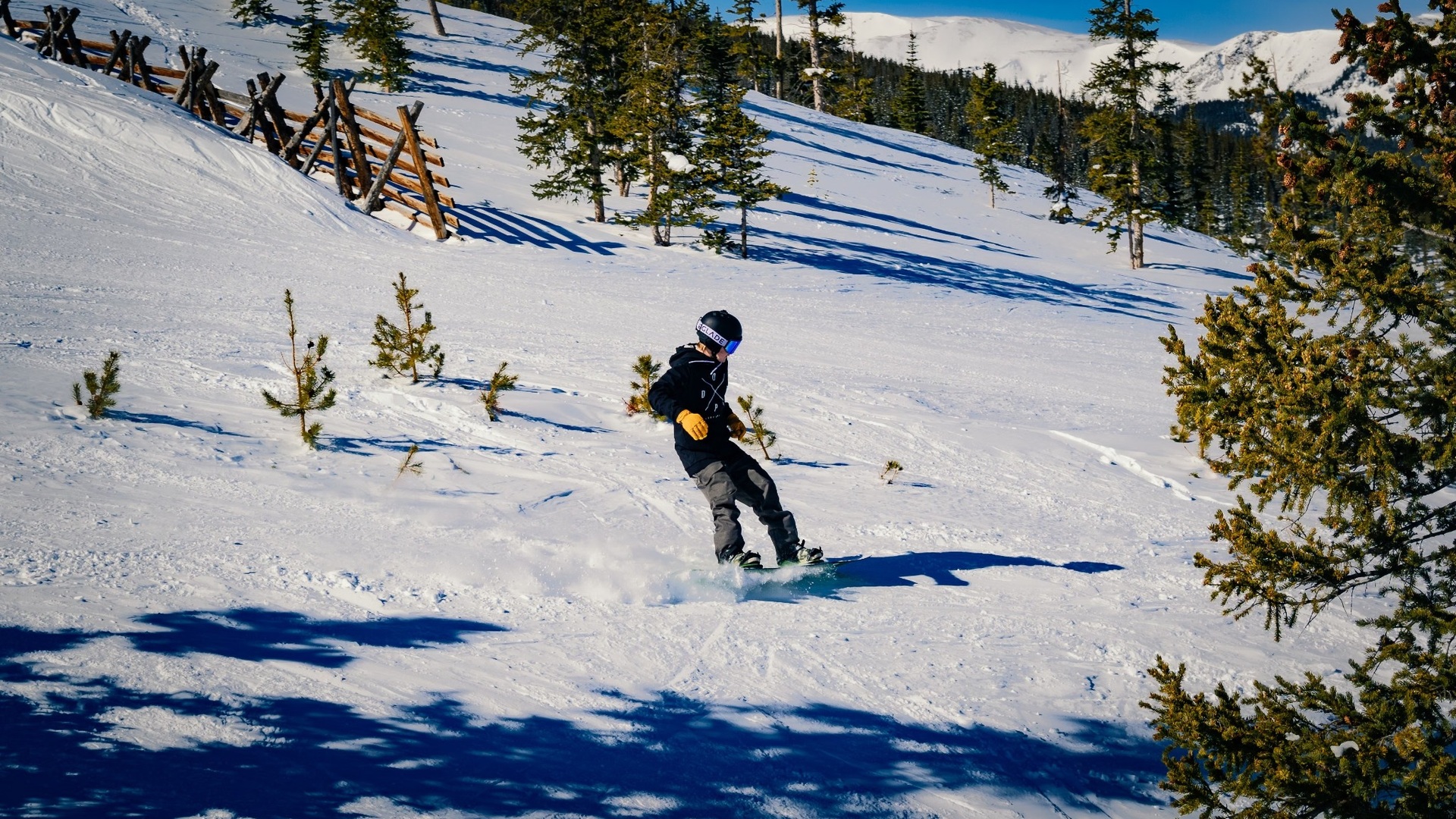
Keep your upper-body layers easy to adjust. For most ski days, you need a base layer, an optional midlayer and a ski jacket.
Start with a moisture-wicking top that moves sweat away from your skin. A cotton T-shirt absorbs moisture and can stay wet for a long time. Depending on the weather, add a thin fleece or another lightweight midlayer. Your ski jacket goes on top to keep out wind and snow.
On a mild day when you’re skiing actively, a base layer and jacket may be enough. When it gets properly cold, bring the midlayer into the mix.
What to Wear Under Your Ski Pants
For most days, thermal base-layer bottoms and ski pants are enough. Adding sweatpants, fleece trousers or another bulky layer in between can restrict your movement and make your legs sweat more. That gets uncomfortable after a while, especially when you’re trying to move freely through turns.
Many ski pants already provide some insulation. Extra warmth can come in handy on especially cold days. On a typical ski day, two layers on your legs will usually do the job.
What to Look for in a Ski Jacket
A thick jacket can feel like a safe bet. On the slopes, wind protection, water resistance and breathability matter just as much as warmth. Underarm vents may look like a small detail, but you’ll appreciate them on a warmer day.
If you heat up on a run, open the vents and leave the main zip where it is. Close them again when you get on the chairlift. That gives you a quick way to regulate your temperature without spending half the day changing layers. When you’re shopping for a ski jacket, check how it handles wind, moisture and ventilation as well as how warm it feels.
Keep Your Neck, Hands and Head Comfortable
A thin neck gaiter can make a surprising difference on a windy day. And if your fingers are always cold, a pair of ski gloves that suits the conditions may solve the problem more effectively than an extra layer under your jacket.
Under your helmet, keep bulk to a minimum. A thick beanie can affect how the helmet fits. If you want something underneath, go for a thin, helmet-compatible liner or balaclava.
One Pair of Ski Socks Is Usually Enough
Two pairs of socks sound twice as warm until you try to fit them into a ski boot. If the boot gets too tight, it can restrict circulation and make your toes feel cold sooner. Socks that bunch up can also leave you with pressure points you’ll feel all day.
One pair of well-fitting technical ski socks usually does the job. Getting the right ski boot fit matters just as much as choosing the socks. Measure your foot before you pick a boot size.
How to Dress for Different Ski Conditions
One outfit for the whole season would make packing easy. The weather on the mountain has other plans.
| Conditions | What to wear |
|---|---|
| Sunny and relatively mild | A moisture-wicking top, ski jacket, thermal bottoms and ski pants may be enough. |
| Colder | Add a fleece or lightweight insulating layer between your base layer and jacket. |
| Windy | Check how well your outer layer blocks the wind before adding bulk. |
A windy day on the mountain can feel completely different from a sunny, calm day at the same temperature. Conditions can also vary within the same resort. At Erciyes, the runs span elevations from 2,086 to 3,331 metres. Using the rule of thumb that air temperature drops by about 0.6°C per 100 metres of elevation gain, that’s roughly a 7–8°C difference between the bottom and the top.
How to Tell If You’re Wearing Too Much
If your back or chest is noticeably sweaty after the first few runs, you’ve probably got a layer to spare. Try taking one off. You’ll likely feel the difference pretty quickly.
A bit of sweat is part of skiing. If your clothes are getting soaked, though, your setup is probably too warm. Aim for layers that let you ski without overheating and keep you comfortable when you slow down.
Pack a Light Spare Layer
Mountain weather can change quickly. A sunny morning can turn windy or snowy by afternoon, sometimes sooner than you expect. A thin midlayer in a small backpack gives you a bit of flexibility without having to start the day in four layers.
Put it on when you need it and pack it away when things warm up. The same goes for snowboarding. Whether you’re on one board or two skis, your body warms up as you ride.
Dress for the Run and the Ride Back Up
A moisture-wicking base layer, a midlayer suited to the weather and an outer layer that blocks wind and snow are a good starting point for most ski days. Adjust from there based on the conditions and how actively you’ll be skiing.
Take a layer off when it warms up, add one when it gets colder and open the vents when you start to sweat. When you’re getting dressed, think about how those layers will feel halfway down a run and halfway up on the chairlift. After a few hours on the slopes, you’ll appreciate being able to adjust for both.