
Warming Up Before Exercise: The Difference Between Dynamic and Static Stretching

You’ve probably heard a thing or two about stretching before exercise. But when it comes to deciding which movement to do and when, things can get a little confusing. Before a run, should you bend forward and stretch your hamstrings for 30 seconds? Or get your body moving gradually with a few walking lunges, leg swings or an easy jog? The short answer: focus mainly on dynamic stretching before your workout, and use static stretching afterwards if needed.
But not every sport calls for the same warm-up. Your preparation for a run shouldn’t be identical to what you do before skiing or at the start of a long day on the trail.
What Is Dynamic Stretching?
Dynamic stretching means preparing your muscles and joints for activity through controlled movement, rather than holding a muscle in one position for a long time. Examples include:
- Controlled forward and backward leg swings
- Walking lunges
- Alternating knee-to-chest movements
- Controlled steps that open up the hips
- Arm and shoulder circles
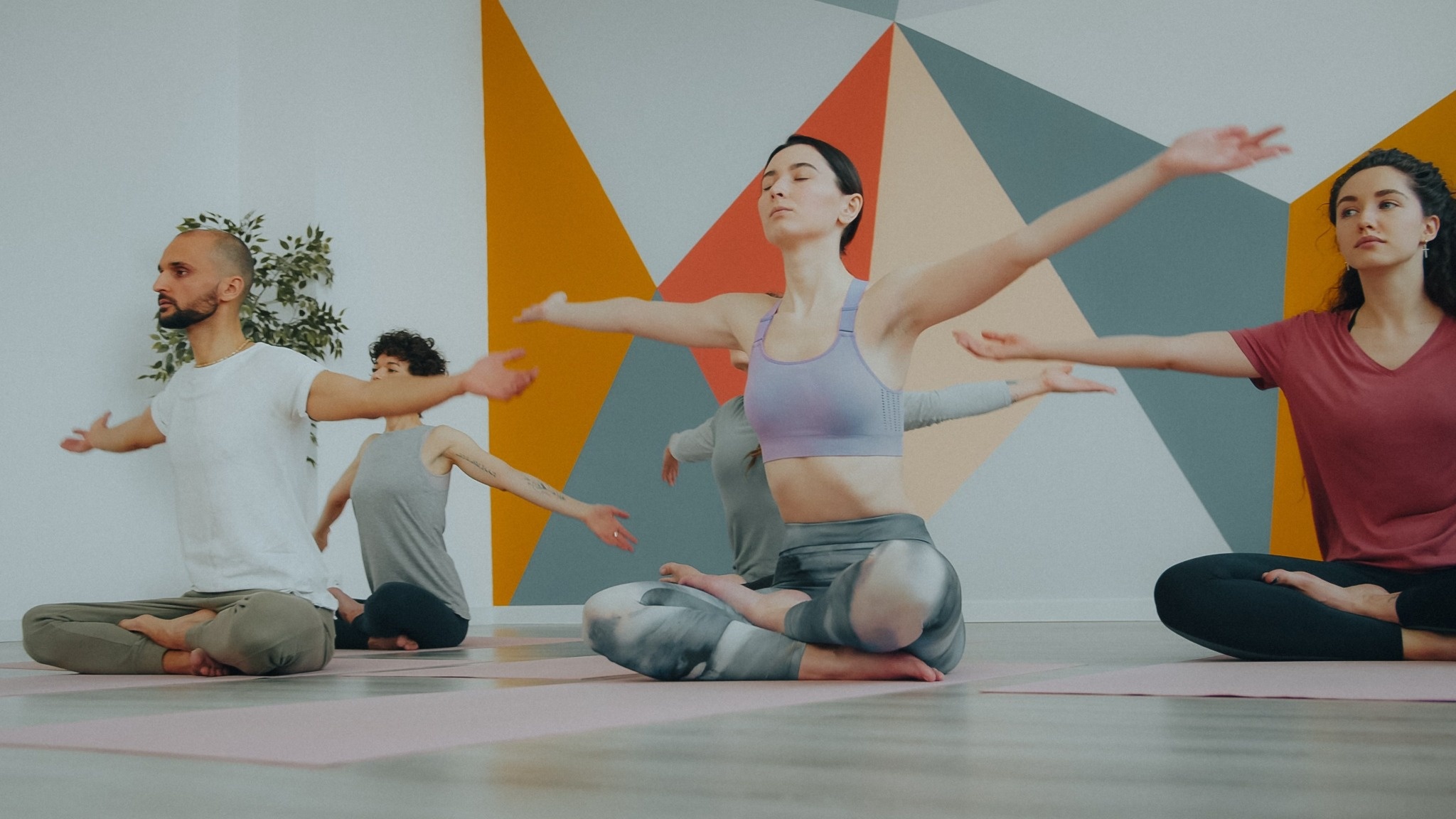
The important word here is “controlled”. Dynamic stretching doesn’t mean swinging your leg as fast as possible or forcing a muscle to its limit. Start with smaller, slower movements and gradually increase the range over a few repetitions. The aim is to spend a few minutes getting your body warmed up and ready for the activity ahead.
What Is Static Stretching?
Static stretching is the familiar approach where you lengthen a muscle to a certain point and hold the position for a while. Extending a leg to stretch the hamstrings, leaning towards a wall to stretch the calf, or bringing your heel towards your glutes to stretch the front of your thigh are examples. These positions are usually held for 15–30 seconds or longer.
Static stretching isn’t a bad method. But immediately before an activity involving running, sprinting, jumping or strength, preparing your body through movement is often a better choice than spending a long time holding stretches.
The Main Difference Between Dynamic and Static Stretching
Here’s a simple way to think about it:
| Dynamic Stretching | Static Stretching | |
|---|---|---|
| Is there movement? | Yes | Usually not |
| When is it used? | Mainly before exercise | Mainly after exercise or in a separate flexibility session |
| Purpose | Prepare the body for activity | Work on range of motion |
| Example | Leg swings | Holding a hamstring stretch for 30 seconds |
The difference isn’t just the movement itself. It’s also what you’re trying to achieve and when you do it. Before a run, a short walk, a few dynamic movements and a gradual increase in pace are more practical preparation for many people than sitting on the ground stretching for several minutes. For the overall structure of a warm-up, the NHS warm-up guide also recommends this sequence.
How Should You Warm Up Before Exercise?
One of the most common mistakes is tiring yourself out before the workout has even started. You don’t need a long, complicated routine. For many sessions, the idea can be this simple: get warm, move through your range of motion, then progress to movements that resemble the sport you’re about to do.
For example, before a run, you could start with 5 minutes of brisk walking or very easy jogging. Then add a few dynamic movements:
- Leg swings
- Walking lunges
- Knee lifts
- Ankle mobility exercises
After that, build your pace gradually instead of hitting race pace in the first kilometre. That gradual start is part of the warm-up, too. If you’d like a more structured way to judge your effort rather than relying on vague advice, the RPE scale can help.
How Do You Dynamically Stretch Your Hamstrings?
The hamstrings are among the muscles people stretch most often before running. But rather than resting your foot somewhere and leaning forward for a long hold, you can choose a moving option before exercise. One example is the straight-leg march.
Stand tall and lift one leg forwards in a controlled movement, keeping it as straight as you comfortably can. At the same time, reach your opposite hand towards your foot. Lower the leg and switch sides. You don’t have to touch your foot; a gentle stretch along the hamstrings is enough. Around 8–10 repetitions on each side can work.
Another option is the leg swing. Hold on to something for support and swing your leg forwards and backwards with control. Keep the first few repetitions small, then gradually increase the range as the movement feels easier. There’s no need to send your foot as high as possible on the very first swing.
How Should You Warm Up Before Running?
Part of your running warm-up can be the run itself. Especially before an easy run, you don’t necessarily need a long, 20-minute routine. A practical starting point could be 5 minutes of brisk walking, followed by 2–4 minutes of dynamic stretching, then starting your run at a very easy pace.
For an everyday easy run, that may often be enough. Before harder sessions such as intervals, tempo runs or races, it makes sense to give the warm-up a little more time. You’ll be asking your body for more speed and force fairly soon. If you experience recurring pain or imbalances when running, our guide to signs of running form problems can help you identify what needs attention beyond the warm-up.
How Should You Warm Up Before Cycling?
Cycling is a little different. You may not need as many dynamic movements as you would before running, because pedalling is already a repetitive, controlled movement. One practical approach is to spend the first 10 minutes riding at low resistance. Gradually increase your cadence, then add a few short increases in pace.
If you’re heading out after a full day at a desk, a few simple mobility movements for your hips, lower back and shoulders may also feel helpful. The main mistake here is pushing hard in a big gear from the very first minute. Treating the first few kilometres as part of your warm-up makes more sense.
Do You Need to Warm Up Before Hiking?
For hiking, it’s tempting to think, “I’m only walking anyway.” On a short, flat walk, you may genuinely not need a specific warm-up. But if you’ve got a long day, a lot of climbing or a heavy backpack ahead, a few minutes of preparation can be useful. In particular, you can get these areas moving:
- Ankles
- Calves
- Hips
- The area around the knees
Ankle circles, controlled knee lifts and a few gentle lunges may be enough. Then spend the first 10–15 minutes of the route walking at a slightly easier pace. The aim isn’t to squeeze in a separate stretching session before hiking. It’s to avoid going straight from a cold start into a steep climb.
Why Does Warming Up Before Skiing Deserve a Little More Attention?
Skiing is a different situation again. As soon as you get off the chairlift, you start asking your legs for balance, strength and quick reactions. And most of the time, you’re doing it in the cold. So instead of putting on your ski boots and heading straight onto the slope, it makes sense to spend a few minutes moving. For example:
- Gentle squats
- Controlled lunges
- Hip-opening movements
- Alternating knee-to-chest movements
- Torso rotations
Again, you’re not trying to fit in a mini workout beside the slope. A few minutes of movement to prepare your body is enough. It’s also a good idea not to make your first descent the fastest one of the day. Keep that first run a little more controlled. At the start of the season, your equipment needs to be ready as well as your body. Our pre-season ski maintenance guide gives you a checklist.
So When Do We Do Static Stretching?
You don’t need to remove static stretching from your life. If certain areas feel tight after a workout, you can do some short static stretches. If you want to improve your flexibility, you can also plan it as a separate mobility or flexibility session.
The key is not to confuse static stretching with the warm-up itself. Before exercise, what you usually need is to get your body moving and ready for the activity ahead, rather than holding muscles in a stretch for a long time. Choosing dynamic stretching at that point doesn’t mean static stretching is useless. It just has a different place in the schedule.
Do You Have to Warm Up for 15 Minutes Before Every Workout?
No.
The length of your warm-up can vary with the activity. A relaxed 30-minute walk and a tough interval run don’t need identical preparation. Neither do a gentle bike ride and a morning before a full day of skiing. Sometimes spending the first 5–10 minutes at an easy pace can already provide enough of a warm-up.
So a more useful question is: what am I about to ask my body to do? If you’re going to run fast, pedal hard, climb a steep trail or make quick turns on skis, it makes sense to prepare for those demands.
Dynamic or Static Stretching: Which Should You Choose?
“Should I stretch before exercise?” isn’t a question with a simple yes-or-no answer. What matters is the type of stretching and when you do it. Before exercise, light movement, dynamic stretching and sport-specific preparation are a good starting point in most cases. Static stretching is more often used after a workout or in separate flexibility sessions.
And there’s no need to turn warming up into a major production. Sometimes a few minutes of appropriate preparation are much more useful than the 14-move “perfect warm-up routine” you found online.
Health and training note: This article is for information only and does not constitute medical advice. The person behind Advenway is not a coach or healthcare professional; the content is compiled using reliable sources. Injuries, nutrition, chronic conditions and training loads vary from person to person. For decisions in these areas, consult a doctor, dietitian or qualified coach.