
Can You Hike in the Rain? When to Cancel or Turn Back
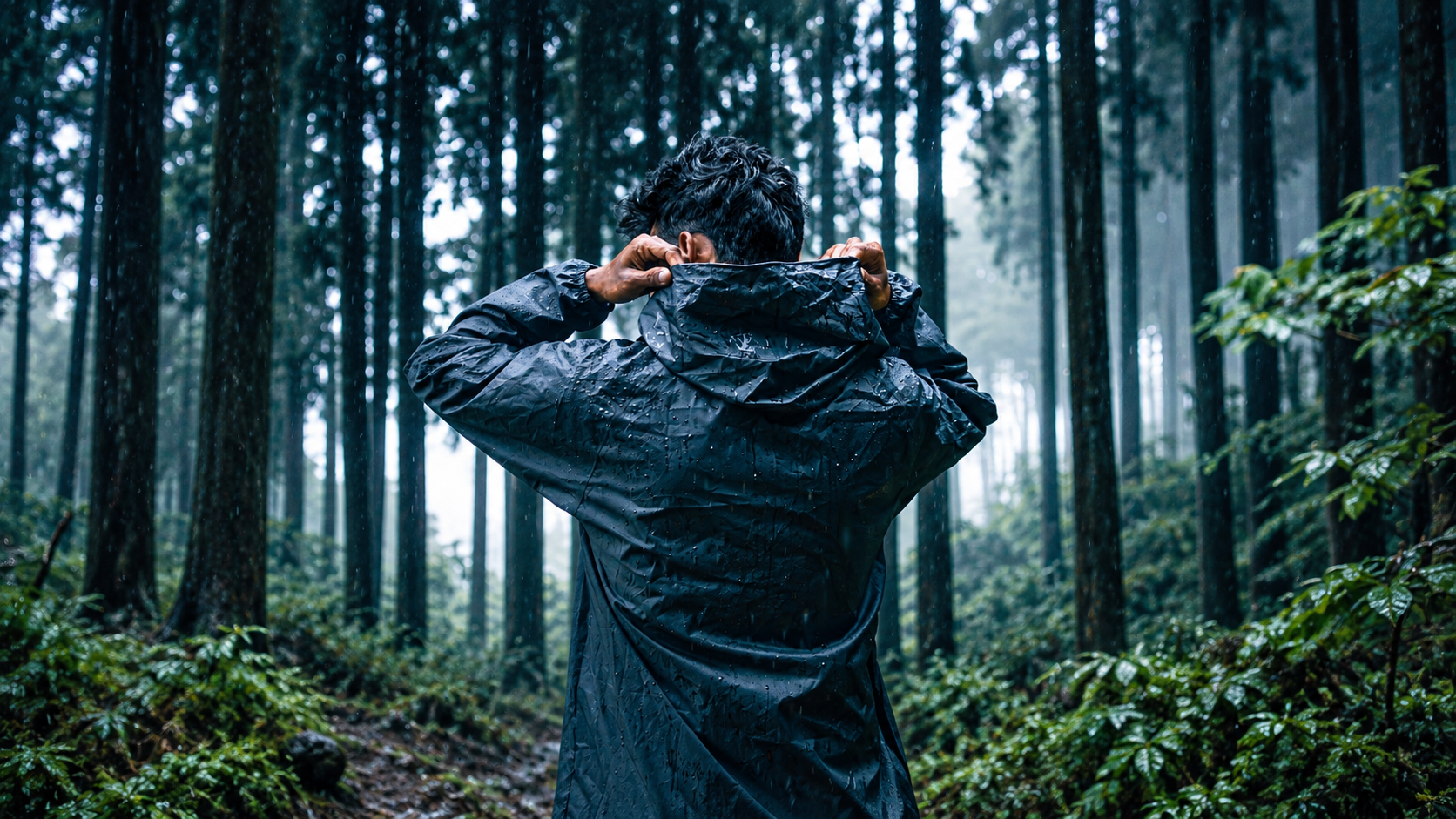
Hiking in the rain has its own kind of charm. So give your plans a moment before you cancel at the first sight of a rain cloud. With the right gear and a suitable trail, a light shower can change the whole walk. The forest smells different, the trails get quieter, and even that dusty summer path looks a little more alive. Sounds lovely so far. Then there’s the walk back. Rain can cut visibility, make the ground slippery, and change a stream crossing while you’re still out. Getting wet and cold might be the least of your worries.
The question to ask is whether today’s rain is manageable on this trail with the gear and experience you have. Some days, the answer is an easy yes. Other days, staying home is the right call. You can leave a trail unfinished and come back when conditions are better.
Check what kind of rain is coming
The little rain icon only tells you so much. A couple of hours of steady, light rain can be manageable on a short, familiar forest trail with several ways out. A forecast that could turn into a downpour is a different proposition. Add strong wind, thunder, fog, or a drop in temperature, and exposed ridges, high ground, and long descents all get more serious.
Before you head out, ask yourself these four questions.
- Is the rain expected to stay light, or could it turn heavy?
- Will it be windy too?
- Could fog or low cloud make it hard to see?
- Can I comfortably get back before dark?
Weigh the rain alongside the wind, temperature, trail surface, and length of the hike. If you’re hiking in Türkiye, get into the habit of checking the latest alerts from the Turkish State Meteorological Service.
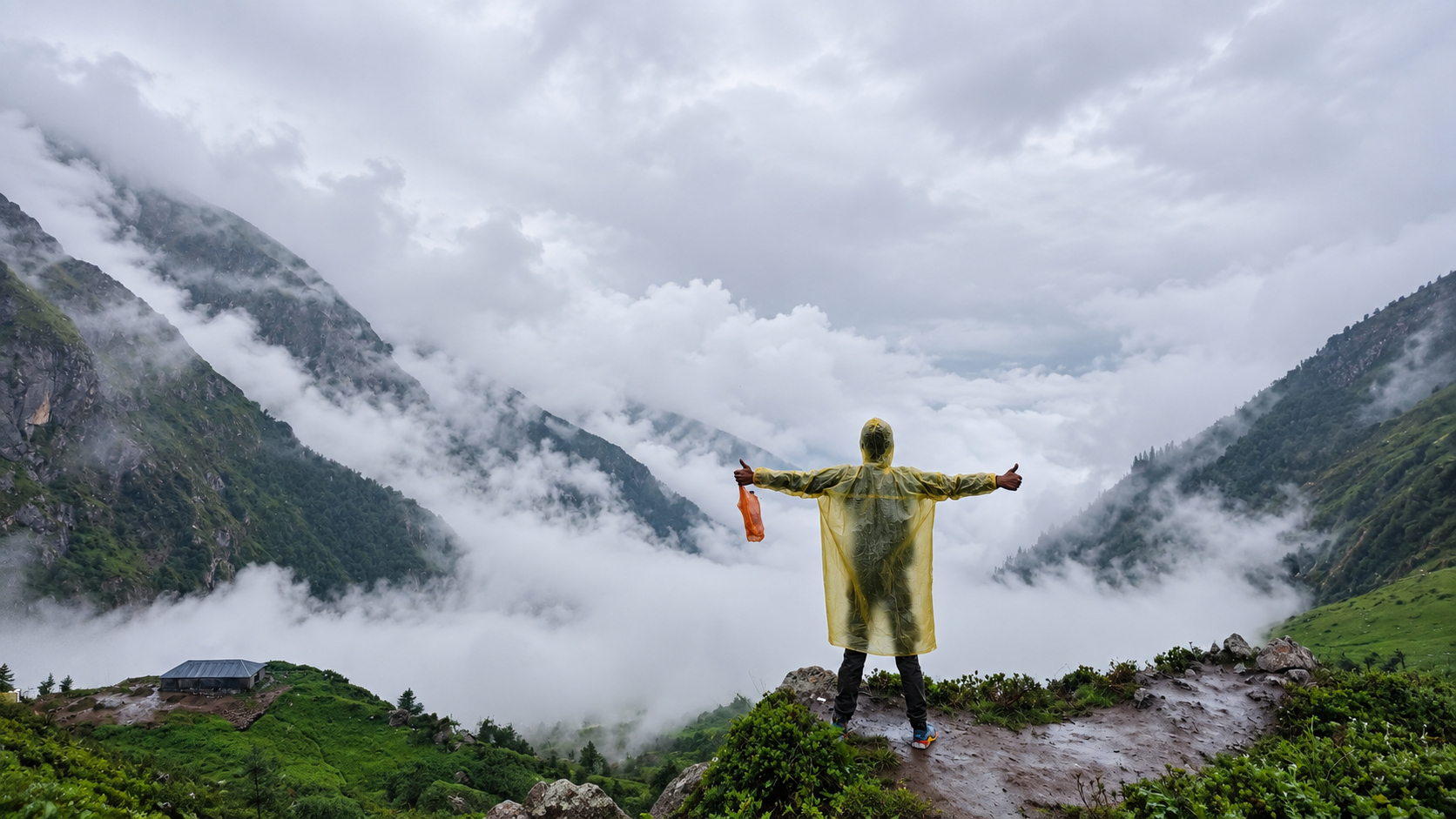
Pay attention to what’s underfoot
An easy trail on a dry day can feel like a different route after rain. Wet leaves, muddy descents, roots, and slick rock can slow you down fast. On a steep dirt descent, telling yourself you’ll be extra careful only gets you so far. A route that normally takes four hours could take six in the rain. That’s more time to get cold and tired, with less daylight to get back.
Take extra care if the route crosses a stream. Rain upstream can raise the water level quickly. That little stream you figured you could cross with your boots off may look very different on the way back. If the water turns muddy, the current picks up, or you can no longer make out a clear crossing, turn back. Flash floods in canyons and valleys can happen even when it isn’t raining where you are.
When to cancel, shorten, or turn back
A rainy hike can be a good plan. Any of these signs is reason to cut it short, postpone it, or stay home.
- You hear thunder or see lightning. Get to a substantial enclosed building or a hard-topped vehicle as soon as you can. If you can’t reach either, leave exposed ground, ridges, and summits, move to lower ground, and stay away from isolated trees.
- Visibility drops sharply. If fog hides the trail markers or you can’t tell which way to go or where the next exit is, it’s easy to take a wrong turn even with an offline map.
- The wind picks up in the rain. Wet clothes and wind can chill you quickly even when the temperature looks mild. Take that combination seriously, especially on exposed ridges.
- You can’t keep your footing. If you’re repeatedly slipping, losing control on descents, or working much harder than usual just to get through a section, turn around while you can.
- A stream crossing looks unsafe. The current can be stronger than it looks. If you’re unsure, stay on your side.
- Your buffer for getting back is gone. You’ve slowed down, someone in the group is getting cold, or the trail is taking longer than expected. Focus on getting back. A wet trail is harder to follow after dark.
Base the decision on what you can safely handle in the conditions you actually have. The same trail can be a lovely walk one day and a risk you can easily skip the next.
Make turning back part of the plan
Hikers can get a little stubborn about finishing a route. Turn around halfway and it can feel like you’ve left the walk undone. But turning back is how a plan adapts to the weather.
Set a few clear limits before you leave. You might decide to turn back if the rain becomes a downpour, fog hides two trail markers in a row, or the water at a stream crossing starts rising. It’s easier to make that call at home than halfway up the trail when you’ve already put in the effort to get there.
While you’re walking, ask yourself which is easier right now: turning back or carrying on? If turning back is easier, do it. Another stretch of trail usually just gives you farther to walk back.
Pack the gear that earns its place
Pack a few things that will help you stay dry and warm. Start with a rain jacket. A light windbreaker might get you through a brief drizzle. For steady rain, take a waterproof jacket with an adjustable hood that lets you move freely and sits comfortably under your pack.
Keep the inside of your pack dry too. A dry bag or even a simple trash bag can protect your phone, spare layer, headlamp, and snacks. Spare socks tossed loose into a soaked pack have a funny way of becoming your second pair of wet socks.
Waterproof boots can help in the rain, though they can take a while to dry if water gets in over the top. On some shorter routes, a light, quick-drying hiking shoe may make more sense. Look at how well the sole grips wet ground and how steady you feel in the shoe.
Download an offline map and pack a headlamp. In the rain, your phone battery, your ability to find the way, and how much daylight you have left all matter more.
Slow down and give yourself more time
Leave your dry-weather pace at home. Take shorter steps on descents and give yourself time to get your balance. Rushing makes slips and falls more likely. In a group, set the pace around whoever is having the hardest time.
If someone starts getting cold, feels unwell, or keeps slipping, take it seriously. A small problem can get bigger over a long, wet walk.
Keep breaks short enough to stay warm. Have a bite to eat, check your rain jacket, and get moving again. A thermos of something hot can lift the mood. Keep an eye on your return time while you enjoy it.
Pick a trail that suits the rain
Short, well-marked forest trails with an easy way back are a good fit for rainy days. Look for a walk that keeps you close to the trailhead, has mobile reception, or at least gives you alternative ways out.
Save long, unfamiliar routes with exposed ridges, stream crossings, or rocky stretches for a better day. Postponing a hike you’ve already planned can be annoying. It can also make for a much nicer walk when you finally go.
On a rainy day, the best part is often the sound of the forest, the smell of damp earth, and how quiet the trail gets. It’s easier to enjoy all of that when you aren’t spending the whole walk wondering what the way back will look like. For routes and advice across the seasons, browse our hiking guides.
A one-minute check before you leave
- Will the rain stay light, or are downpours and thunder possible?
- Is the trail short and well marked, with an easy way back?
- Will stream crossings, steep descents, or rocky stretches get harder in the rain?
- Have you packed a waterproof jacket, a dry spare layer, an offline map, and a headlamp?
- Are you happy to turn back halfway if you need to?
If a couple of those questions leave you guessing, change the plan. Take a shorter walk nearby or put the kettle on and spend the day looking up trails for another weekend. That’s part of getting outdoors, too.
You can hike in the rain when the weather, route, and your preparation line up. If there’s lightning, strong wind, thick fog, rising water, or ground you can’t cross safely, leave the trail for another day. Knowing when to turn back is part of being a good hiker.