
How to read sleeping bag temperature ratings: a guide to EN 13537 and EN ISO 23537
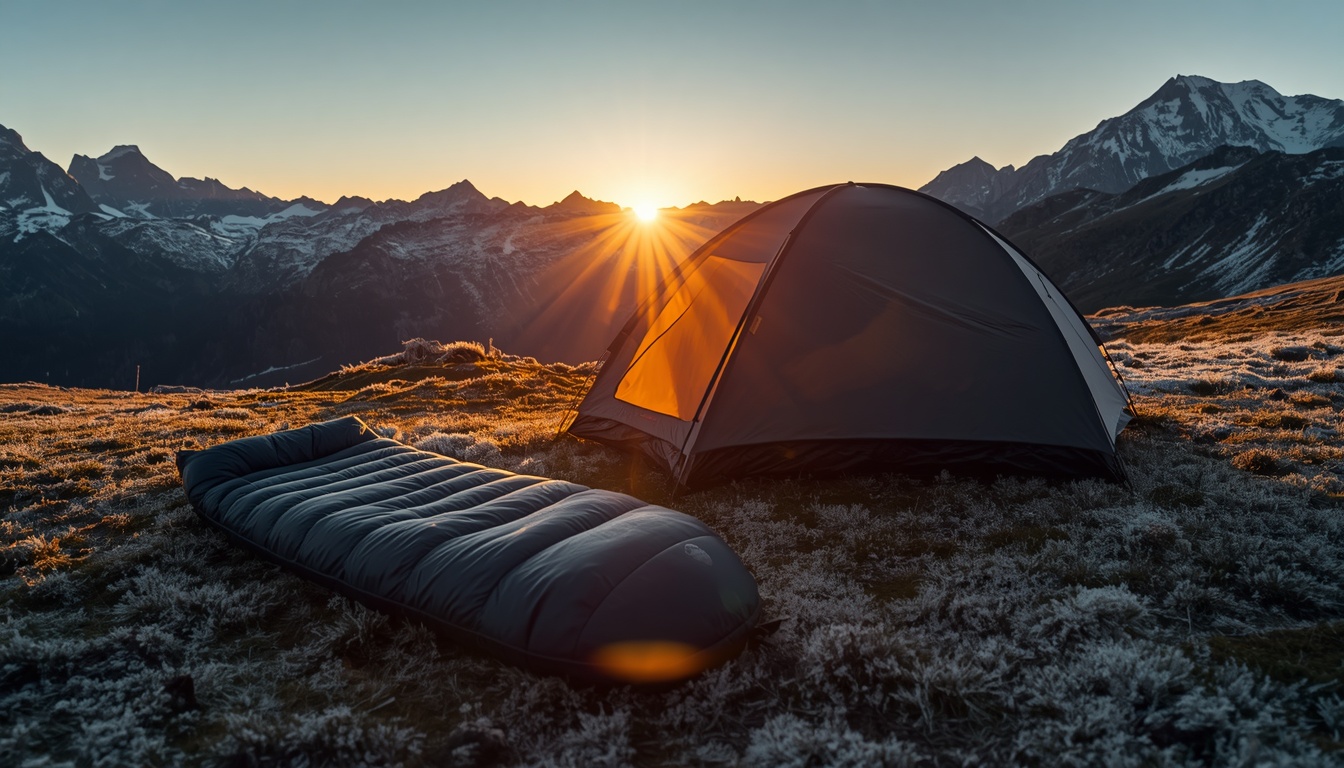
You’ve never been camping in your life, and one day you decide: “Right, I’m going camping.” When you start planning that first trip, you naturally put together a list of the kit you’ll need to take. And one of the most important things on that list, without a doubt, is a sleeping bag.
When you go to buy your first sleeping bag, you’ll find some temperature ratings on the product:
- Comfort: 2 °C
- Limit: -3 °C
- Extreme: -20 °C
These figures can be pretty confusing, especially if you’re buying camping gear for the first time. In fact, most of us look at them and conclude: “So this sleeping bag can be used down to -20 degrees.”
When I first started looking into sleeping bags, I made exactly the same mistake. After all, if the bag says “-20 °C” in big letters, it’s only natural to go by that. Unfortunately, that’s not how it works.
On top of the temperature ratings, you might also see terms like EN 13537 or EN ISO 23537. Those can be confusing at first too. Let’s clear up these sleeping bag questions together.
What is the EN 13537 sleeping bag standard?
There are lots of different standards around the world. ISO 9001, for example, is one of the best known.
Sleeping bag manufacturers used to set their temperature ratings using their own methods. One brand might label a bag “-5 °C”, while another could market a bag with similar performance as “-10 °C”. As you can imagine, this left buyers thoroughly confused.
So a standard called EN 13537 was developed in Europe. It was later updated and renamed EN ISO 23537. Today, most quality outdoor brands carry out their temperature tests to these standards. That means we can compare bags from different brands far more reliably.
How are the tests done?
These temperature ratings aren’t plucked out of thin air. Brands test their products in a laboratory, on special mannequins fitted with sensors.
The Comfort, Limit and Extreme ratings are calculated from measurements taken under set temperature, humidity and wind conditions. So these aren’t random numbers dreamt up for marketing.
But there’s an important detail to keep in mind: these tests are done in a lab. In real life, factors such as:
- wind,
- humidity,
- tiredness,
- hunger,
- the mat you’re using,
- the clothes you’re wearing
all have a direct effect on how warm you’ll feel through the night. This is where a merino wool base layer can make more of a difference than you’d expect.
Sleeping bag temperature ratings: Comfort, Limit and Extreme
| Rating | What does it mean? |
|---|---|
| Comfort | The temperature at which an average user can sleep comfortably through the night without feeling cold. This is the rating to go by when you buy. |
| Limit | The lowest temperature at which an average user can get through the night without a risk of hypothermia. It doesn’t mean you’ll sleep comfortably. |
| Extreme | A survival limit only. It aims to reduce the risk of hypothermia for a short time; there’s no promise of comfort. |
Comfort temperature
You’ll see three different temperature ratings on the bag, but in my view this is the one to pay the most attention to.
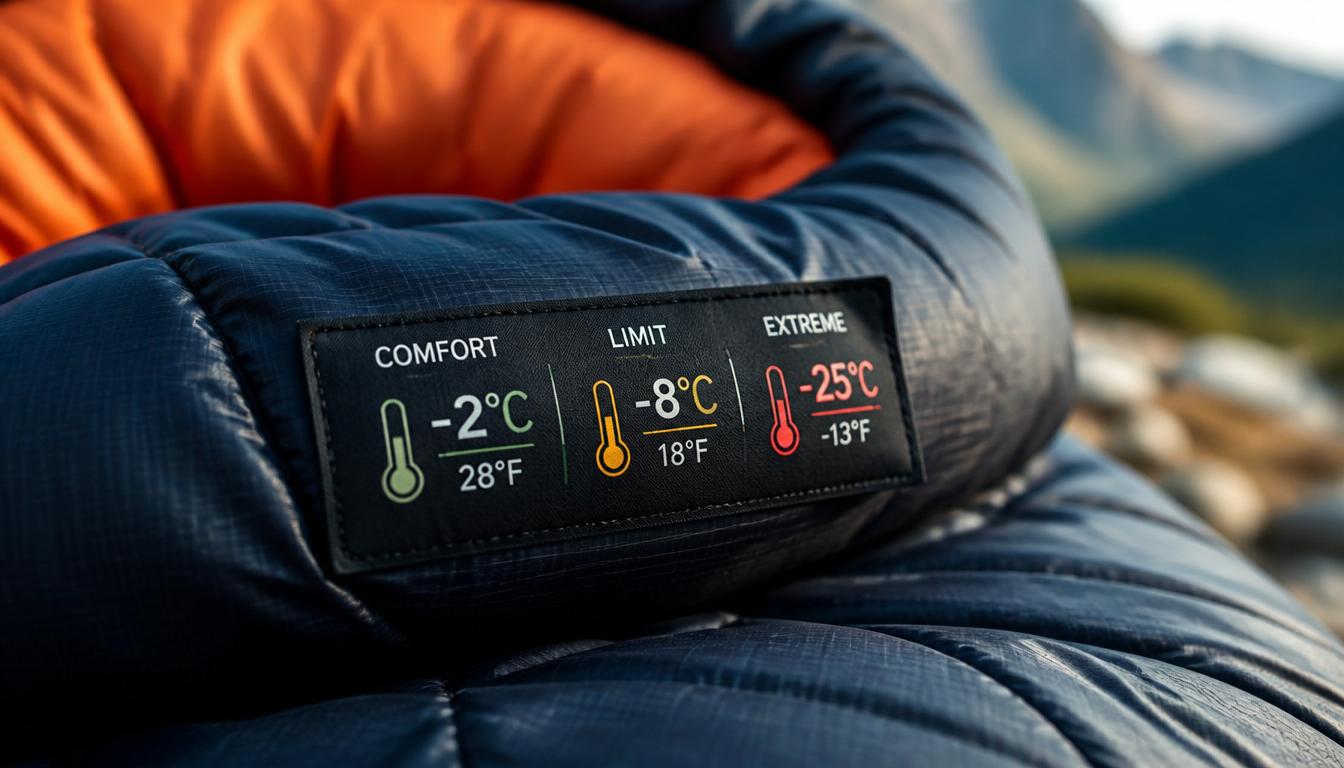
A sleeping bag with a Comfort rating of 5 °C, for example, aims to give most users a comfortable night’s sleep at around 5 degrees.
The reason I say “most users” is simple. None of us are the same. Some of us feel the cold very easily, while others run warm. So the same sleeping bag won’t necessarily give exactly the same result for everyone.
Limit temperature
There’s a really important detail with the Limit rating: being able to get through the night doesn’t mean you’ll sleep comfortably. You’ll most likely feel cold. So when you’re planning a camping trip, choosing a sleeping bag on the Limit rating alone isn’t really the right approach. If there’s an option that lets you sleep comfortably, why spend the whole night shivering?
Extreme temperature
This is the most misunderstood part. The Extreme rating definitely does not mean “You’ll sleep very comfortably in this bag.”
Quite the opposite: it only marks the survival limit. The aim is to reduce the risk of hypothermia for a short time. That’s why many experts recommend ignoring the Extreme rating altogether when you buy a sleeping bag.
Which rating should you look at when buying a sleeping bag?
For me, the answer is clear: the Comfort rating. If you’re planning to camp in autumn at average temperatures of around 8-10 degrees, for example, you’ll do much better choosing a model with a Comfort rating to match. Going only by the lowest temperature printed on the bag can leave you badly disappointed.
Your mat matters as much as your sleeping bag
Sadly, most beginners treat the camping mat as an afterthought. But a sleeping bag on its own isn’t enough.
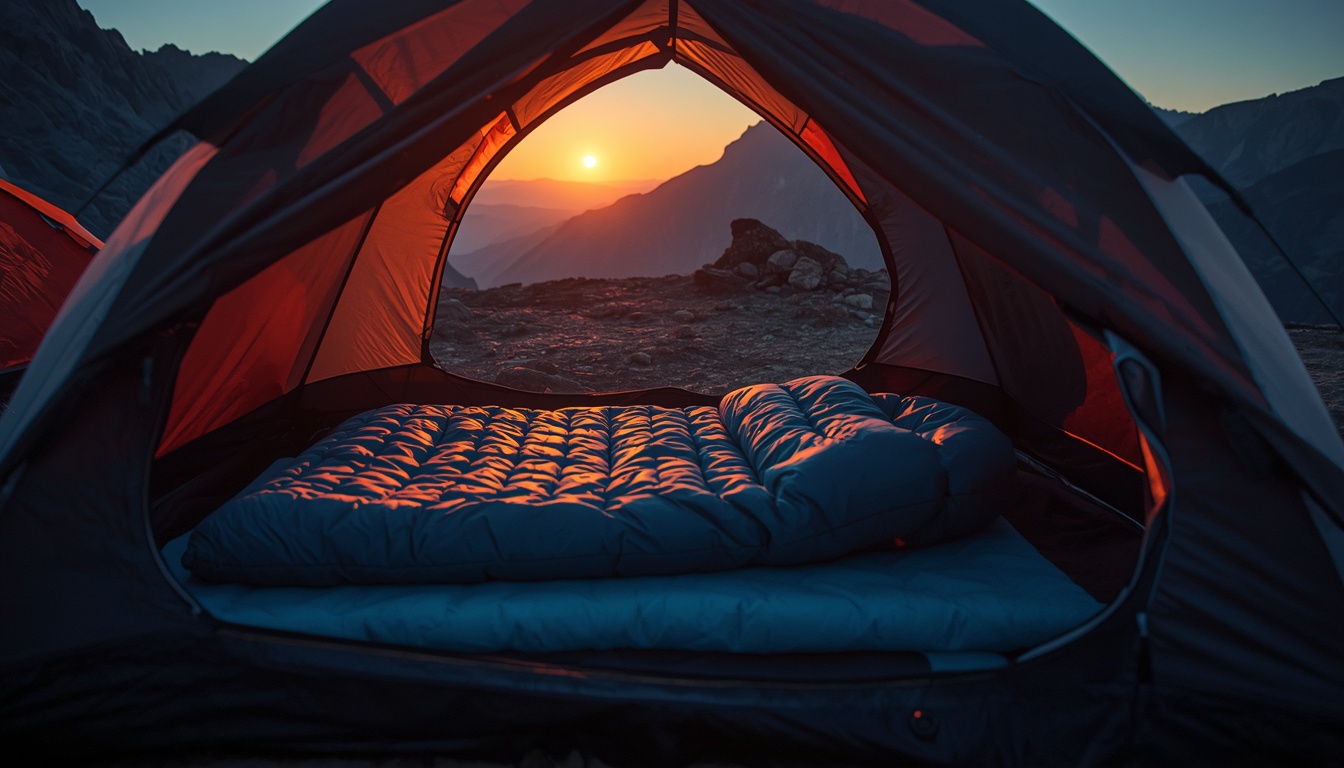
The cold coming up from the ground matters at least as much as the air temperature. So if you’re not using a decent mat, you can still get cold at night even in the best sleeping bag in the world. A sleeping bag and a mat really work as a pair. That’s why I’d advise you to put some thought not just into your sleeping bag but into choosing your mat as well.
Using a dry sack also makes it easier to keep all this kit dry and organised in your pack.
Do women and men get the same result?
No. Women and men are physiologically different. In general, women may feel the cold more easily than men.
That’s why some brands make sleeping bags designed specifically for women. These models may use different insulation zones. On top of that, even two people of the same sex can react differently to the cold. So getting to know your own body over time will help you make the best choice.
What temperature rating do you need for summer camping?
It wouldn’t be right to give a hard-and-fast answer like “It’s summer, so get this rating.” If you’re camping on the Mediterranean coast, for example, you might not need a thick sleeping bag. But even in the summer months, night-time temperatures can drop sharply at high altitude.
So I’d suggest you start by looking up the night-time temperatures where you plan to camp. I’ve also written a separate article on ways to keep your tent cooler on hot summer nights.
Does a four-season sleeping bag make sense?
Just as with cars, you’ll find sleeping bags sold as four-season models. It sounds very sensible at first: “I’ll buy one and use it everywhere.”
In practice, though, it doesn’t always work out that way. A four-season sleeping bag used in the wrong temperature range can either make you sweat more than you need to or fail to keep you warm enough. So if you camp regularly, it’s better to build up different sleeping bags for different seasons over time. But if you only camp a few times a year, a four-season model that suits your needs may be all you need.
How would I choose a sleeping bag?
If I knew nothing and was buying my very first sleeping bag, the first thing I’d do is look up the night-time temperatures where I planned to camp. I’d also read blog posts, watch videos and look into the experiences of people who had camped in that area before.
When it came to choosing a bag, I’d definitely go by the Comfort rating. And I wouldn’t skimp on a good mat either. Because, just like a good sleeping bag, the right mat makes a big difference to how comfortable you are through the night.
The bottom line: how to choose the right sleeping bag
When you buy a sleeping bag, don’t base your decision only on the lowest temperature printed on it.
Comfort, Limit and Extreme each mean something different. When you’re planning a camping trip in particular, you’ll do far better basing your decision mainly on the Comfort temperature.
Finally, ask yourself: “At what time of year, and where, am I going to use this sleeping bag?”
The answer will make it much easier to pick the temperature rating you need.
Remember: a good camping trip doesn’t just start with a great view; it starts with the right sleeping bag that lets you sleep well at night.
For more on camping, route planning and staying safe outdoors, take a look at our Outdoor Guide category.