
What is yoga? A beginner’s guide
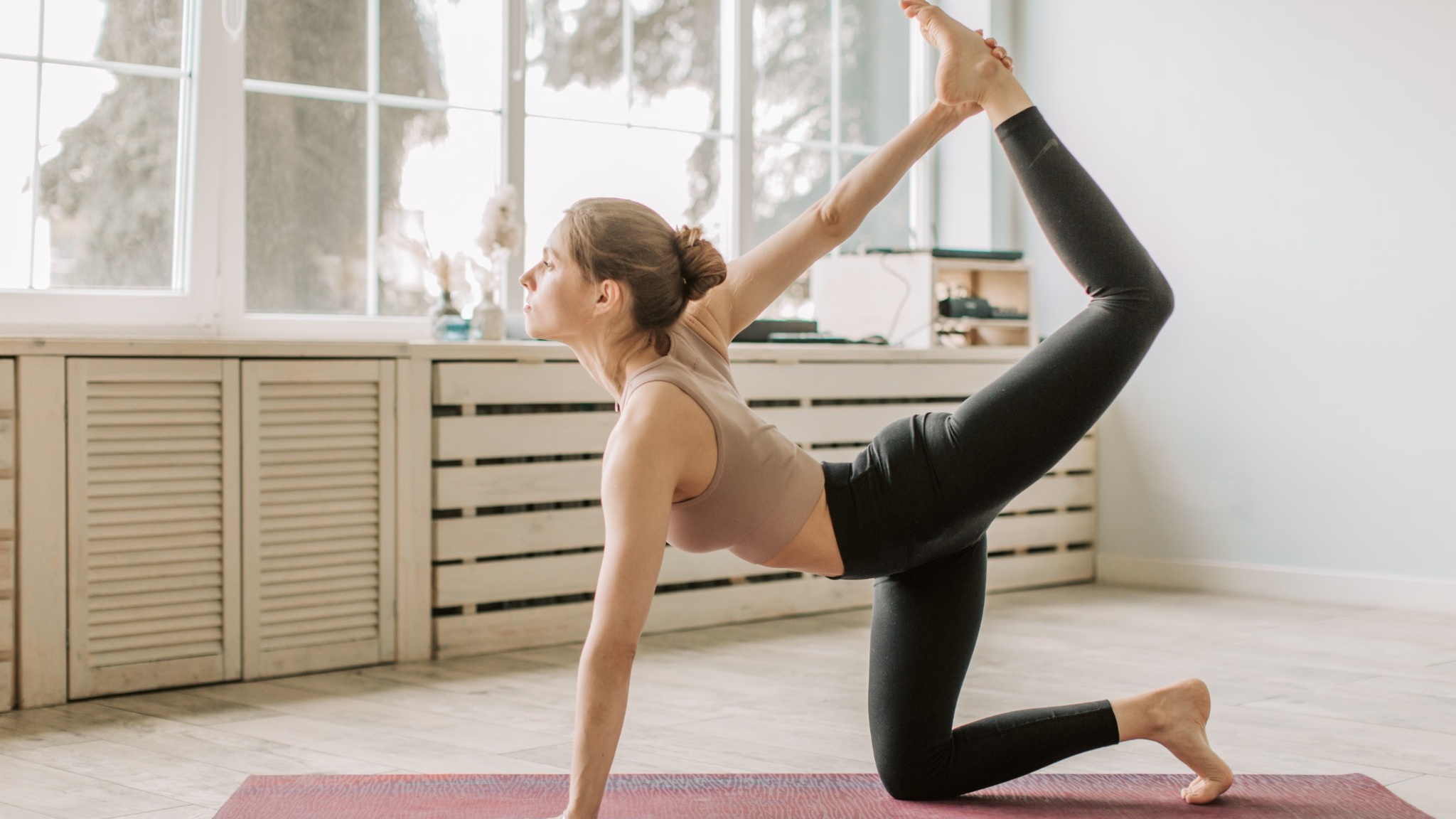
When we think of yoga, many of us picture stretching, incredibly difficult poses and long meditation sessions. Social media has a lot to do with that. You see someone doing an advanced pose and start wondering whether you’ll be expected to do the same thing in your very first class.
Then comes that familiar thought:
“There’s no way I could do that.”
Or:
“I’m nowhere near flexible enough.”
The good news is that you don’t need to put your leg behind your head or place your palms flat on the floor to start yoga. Beginner practice is much simpler than that.
Yoga is a broad discipline that brings movement, breathing and mental awareness together in one practice. A yoga mat, comfortable clothes and a few basic movements are often enough to get started. Rather than taking a long journey through yoga’s history, this guide focuses on what someone who has never tried it actually needs to know.
What is yoga?
Yoga originated in India and has a history stretching back thousands of years. In the forms commonly practised today, you’ll usually come across three main elements:
- Asana: the physical postures and movements used during practice.
- Pranayama: practices that involve controlling and becoming aware of your breath.
- Meditation and mindfulness: practices that direct your attention towards your body, your breathing or the present moment.
So describing yoga as nothing more than stretching leaves quite a bit out. Of course, improving flexibility might be your only reason for starting. There’s nothing wrong with that, either.
A class might begin with a few minutes of breathing practice, move into different poses, link movement with your breath and finish with a short relaxation session. The National Center for Complementary and Integrative Health (NCCIH) also notes that commonly practised forms of yoga can combine physical postures, breathing techniques and meditation.
Do you need to be flexible to do yoga?
No. In fact, this is one of the most common misconceptions among people thinking about starting. If your hands don’t reach the floor or you can’t keep your legs completely straight in a pose, that doesn’t mean yoga isn’t for you. Many movements can be adapted to your current range of motion.
That’s also why classes use props such as blocks, straps and bolsters. They aren’t there to make things harder; they help make poses more accessible and better suited to your body when needed. It makes more sense to see flexibility as something you can develop through regular practice, rather than a requirement for getting started.
You may notice changes over time. Just remember that everyone’s body and range of motion are different. The aim is to gradually develop your own movement range with control, rather than reach exactly as far as the person next to you.
What are the different types of yoga?
When you first start looking into yoga, you’ll come across plenty of names:
Hatha, Vinyasa, Yin, Ashtanga, Restorative Yoga…
It can look a little confusing at first. But these are different approaches within the same broad practice. The main differences usually involve the pace of the class, how movements are sequenced and how long you stay in each pose.
Hatha Yoga
Hatha can be a good option if you’re trying yoga for the first time. Movements are usually slower, and you spend some time holding each pose. That gives you a chance to learn the movements and understand how you’re positioning your body.
When choosing your first class, look out for descriptions such as “Beginner Hatha Yoga” or “Hatha Basics”.
Vinyasa Yoga
In Vinyasa, movements flow into one another and are usually coordinated with the breath. The pace is often a little quicker than in Hatha. But a class labelled Vinyasa isn’t necessarily advanced; beginner Vinyasa classes are available, too. If you enjoy a more active session, it might suit you. If the movements are completely new to you, though, choosing a slower class for your first few sessions can make them easier to learn.
Yin Yoga
Yin involves fewer movements and longer holds. You might stay in some positions for several minutes. Because many poses are done on the floor, it can look very easy from the outside. But staying in the same position with control can be more demanding than you expect. It’s an option to consider if you’re looking for a quieter, slower-paced practice.
Restorative Yoga
The aim here is to rest and relax the body in supported positions, rather than complete an intense workout. Props such as bolsters, blocks and blankets are commonly used. It can suit you if you want a calmer experience, or on days when you don’t feel like doing a physically demanding session.
Ashtanga Yoga
Ashtanga is one of the more structured and physically demanding styles. Poses follow a set sequence, and the practice can become more challenging as you progress. If you’re completely new to yoga, getting familiar with the basics first can make things easier than jumping straight into an intense Ashtanga practice.
Which type of yoga should beginners choose?
There’s no rule that says you absolutely must start with one particular style. You can try different approaches and see what you enjoy. But joining an advanced class before you know the movements can knock your confidence and tempt you to push further than you should. Taking things step by step makes more sense at the beginning.
As a general guide:
- Hatha Yoga can suit you if you want to take things slowly.
- Beginner Vinyasa can work if you prefer a more active class.
- Yin Yoga is an option if you’re looking for a quieter practice.
- Restorative Yoga can suit you if relaxation and rest are your priorities.
There’s one detail that matters more than the name of the style, though: the level of the class. “Vinyasa” doesn’t automatically mean difficult, just as “Hatha” doesn’t guarantee an easy session.
For your first few classes, look specifically for sessions labelled beginner, introductory or basics.
What can yoga help with?
Spend a little time reading about yoga online and you’ll come across some ambitious promises. Some articles make it sound as though it can help with almost anything. It’s worth slowing down here. Yoga isn’t a medical treatment and shouldn’t replace treatment for a health condition.
That said, researchers have studied yoga in several areas and reported positive findings. Research reviewed by NCCIH discusses potential benefits for stress management, sleep, balance and general well-being.
It may help with stress management
The fact that yoga involves more than movement matters here. Breathing practices, focusing on your body and the quieter parts of a session may help some people manage stress. A 2020 review summarised by NCCIH examined 12 studies involving 672 participants and reported positive results for perceived stress in groups practising yoga.
That doesn’t mean “do yoga and your stress will disappear”. Yoga may be one tool you can use to manage stress. That’s as far as the claim goes.
It may help improve balance
Balance plays a bigger role in yoga than you might expect. This isn’t limited to poses where you stand on one leg. Even with both feet on the ground, your body may need to make constant small adjustments, from how you distribute your weight to the position of your hips and torso. Research reviewed by NCCIH has reported positive findings for yoga and balance.
It may support sleep quality
Some studies looking at yoga and sleep have found improvements in sleep quality in particular groups. Slower yoga, breathing practices and relaxation may help you wind down at the end of the day. But it wouldn’t be right to present yoga as a guaranteed solution for everyone with sleep difficulties. Some people practise yoga and still struggle to sleep.
Yoga may be a useful support here, but it isn’t a miracle fix.
Can it help with lower back pain?
Some people turn to yoga to help reduce chronic lower back pain. This is another area with a substantial amount of research. A 2022 review summarised by NCCIH, involving 2,223 participants, found that yoga could offer small benefits for lower back pain compared with no exercise. It also noted that the difference between yoga and other forms of exercise was unclear.
The practical point is this: if you have lower back pain, don’t simply open a random video online and start copying the movements. A pose you think will help may not be suitable for your particular condition. Especially if the pain is ongoing or you don’t know what’s causing it, speak to an appropriate healthcare professional first.
Can yoga help you lose weight?
The answer is something like:
“Yes, but…”
Yoga and weight loss have been discussed for years. Some people say they’ve lost weight through yoga, while others haven’t seen the results they hoped for. That isn’t particularly surprising. Yoga isn’t typically a cardio workout built around high energy expenditure. More active styles, such as Vinyasa, can increase your physical activity and energy use. But building your whole weight-loss plan around the calories burned in class doesn’t make much sense.
Interestingly, yoga’s possible contribution to weight management may extend beyond the energy you use during a session. For example, a small 2021 study summarised by NCCIH looked at 60 women and found that the yoga programme’s effect on weight was associated with changes in physical activity and fruit and vegetable intake.
Harvard Health also highlights links between regular yoga practice, more mindful eating and certain healthy lifestyle habits. If weight loss is your main goal, it makes more sense to see yoga as one part of a plan that includes nutrition, everyday movement and other training.
What do you need to start yoga?
This is one of the nice things about yoga: you don’t need a long shopping list to get started. The basics are:
- A non-slip yoga mat.
- Comfortable clothes that let you move freely.
- Water.
- A small space where you can move comfortably.
You can add blocks, straps and bolsters later. If you’re going to a studio for your first class, many studios provide mats and basic props anyway. There’s no need to spend a lot on equipment before you even know whether you enjoy yoga. Try a few classes first.
Once you decide you’d like to continue, you can choose a mat that suits you.
Can you learn yoga at home?
Yes, you can. But there’s an important drawback, especially when you’re starting out: you can see the person in the video, but you can’t see your own posture from the outside. You might not notice that your knee, hip, shoulder or spine is in the wrong position.
NCCIH also notes that guidance from a qualified instructor may help reduce the risk of injury for beginners. If you have the option, doing your first few classes with an instructor can be a useful starting point.
If you don’t want to go to a studio, live online classes are another possibility. An instructor can watch your positioning through the camera and give feedback. If you’re starting with recorded videos, avoid fast, advanced flows.
Look for slower sessions labelled “Yoga for Beginners” or “Yoga Basics”, where the movements are explained individually. And don’t measure success by whether you finish the whole video. At this stage, the goal is to start learning the movements properly, rather than get through a 40-minute session at all costs.
How many days a week should you do yoga?
Consistency is one of the most useful things to focus on at the beginning. A few shorter sessions each week can make it easier to build a habit than doing 90 minutes once and then nothing for two weeks. You could start with 20–30 minutes, 2–3 days a week, for example. That isn’t a fixed rule.
Adjust the duration and frequency according to how your body responds, the intensity of the classes and the other activities you do. Your first goal should be a routine you can maintain, rather than as much yoga as possible.
Which yoga poses can you learn first?
You don’t need to learn dozens of poses on day one. You’ll probably mix up the names anyway. A more sensible approach is to choose a few basic movements and give yourself time to learn them. If you’d like step-by-step explanations, our guide to 15 basic yoga poses walks you through each one. Here are a few poses you’ll often encounter in beginner classes.
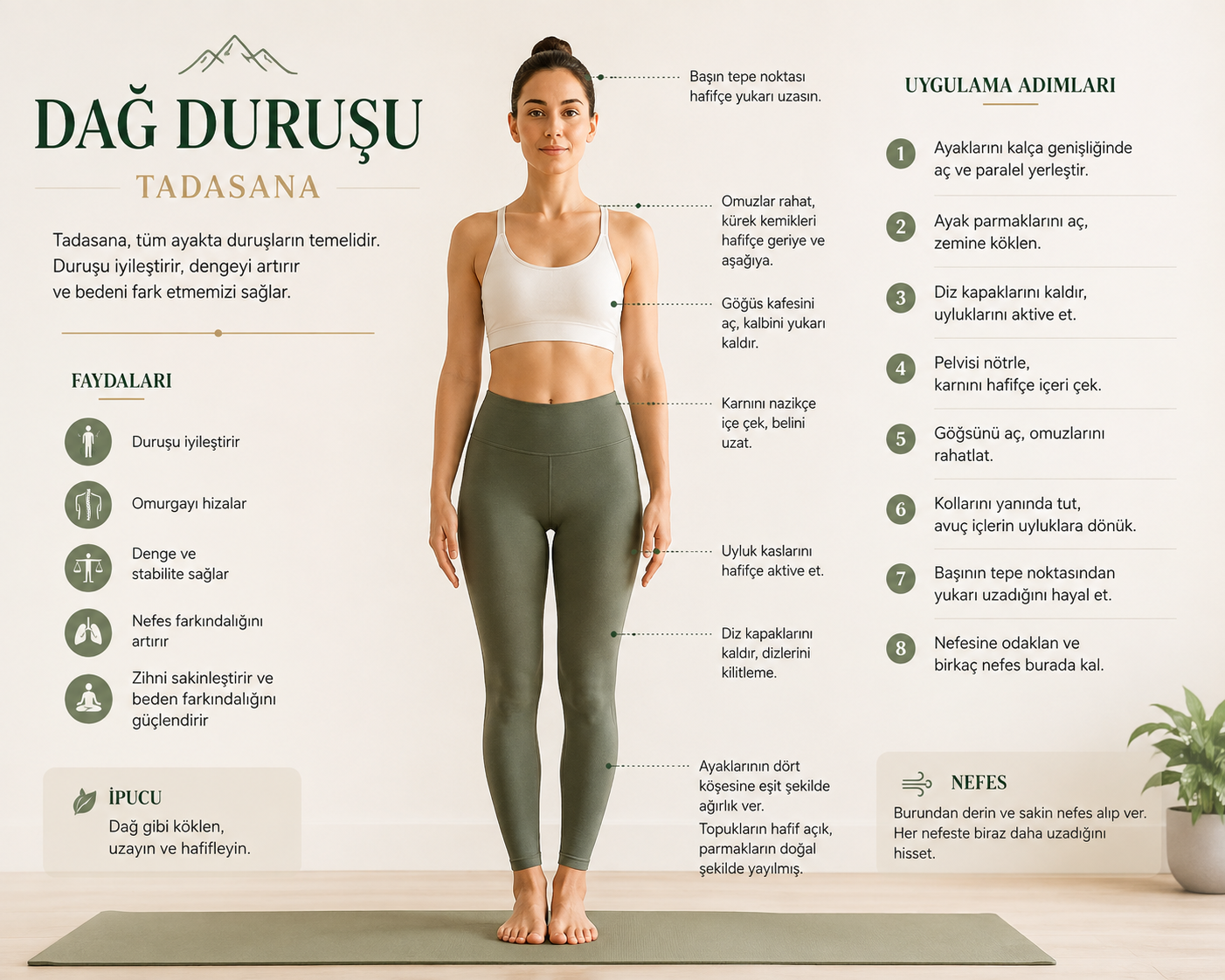
Mountain Pose — Tadasana
From the outside, it looks as though you’re simply standing still. But this is one of the basic poses that teaches you to notice your alignment, from how your feet meet the floor to the position of your pelvis, shoulders and head. Don’t let its simple appearance fool you.
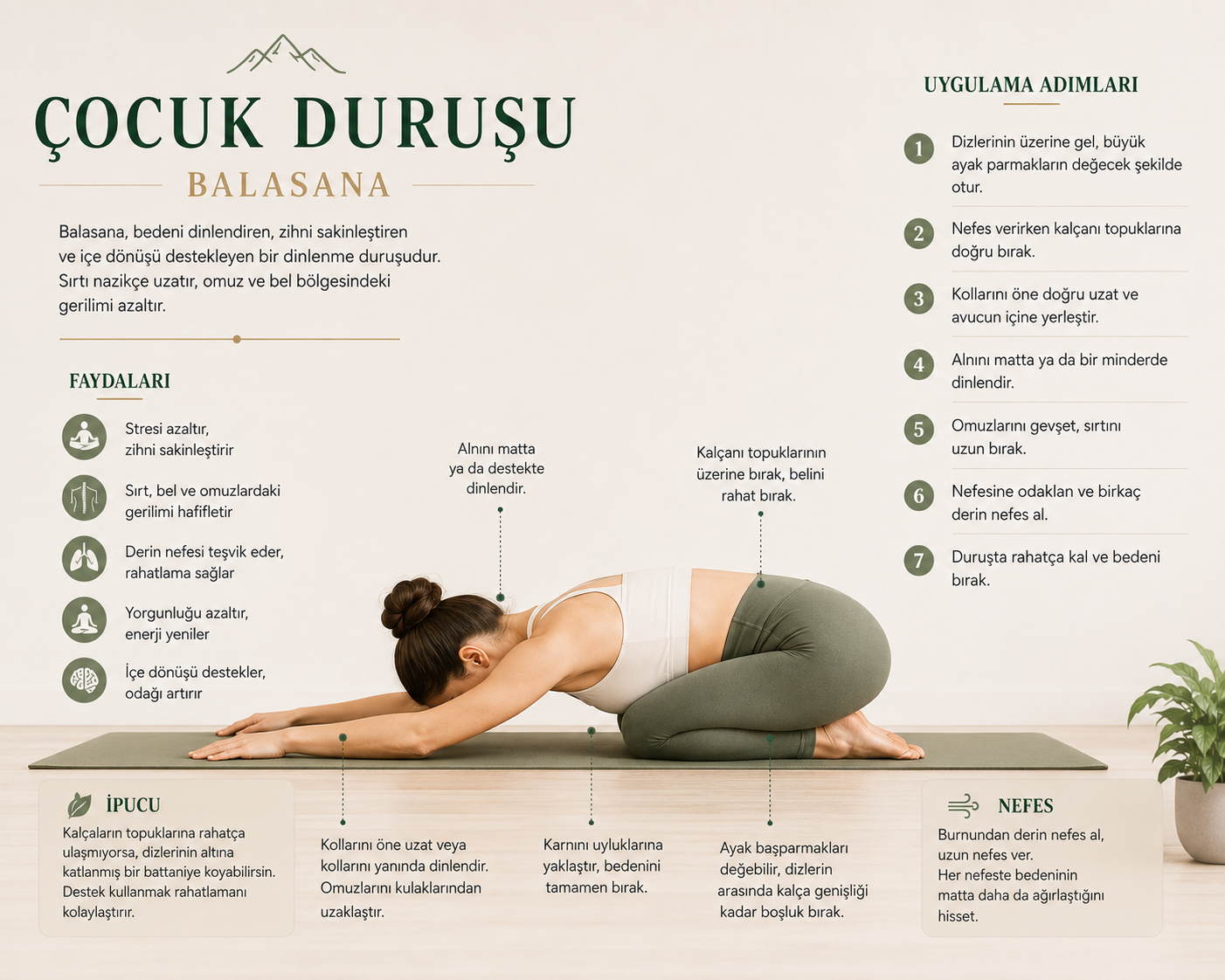
Child’s Pose — Balasana
This is a resting pose where you sit back towards your heels from a kneeling position and let your torso move forwards. It’s often used when you’re tired or need a short break during class, which makes it particularly useful to learn early on.
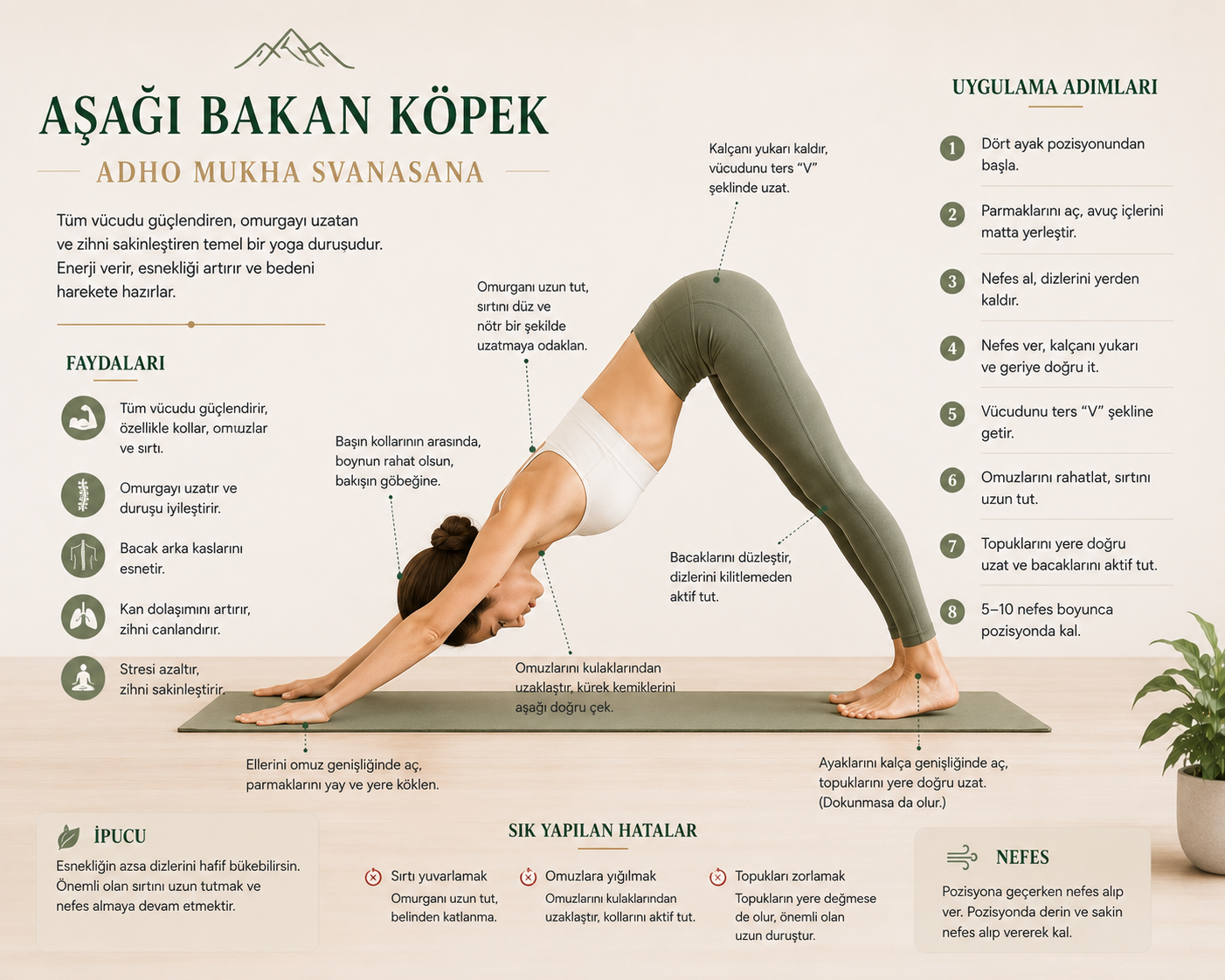
Downward-Facing Dog — Adho Mukha Svanasana
One of the poses most closely associated with yoga. With your hands and feet on the floor, you lift your hips so your body forms something like an upside-down “V”. Your heels don’t need to touch the floor at the beginning, and your legs don’t have to be completely straight. In fact, bending the knees slightly helps many beginners keep their back comfortably long.
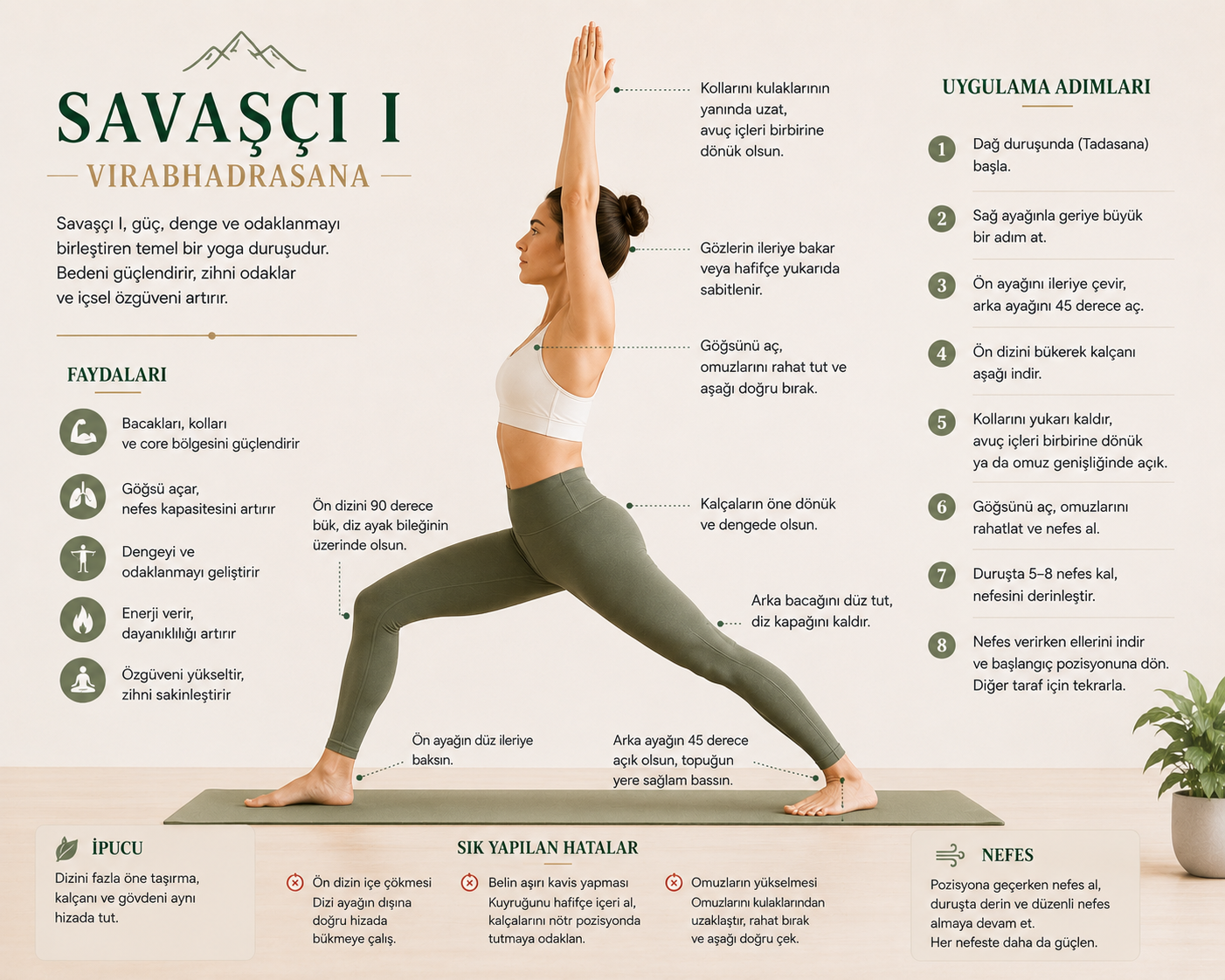
Warrior I — Virabhadrasana I
A basic standing pose that keeps the legs active while asking you to control your hips and torso. The front knee is bent, the back foot stays on the floor and the arms usually reach upwards. Keeping your balance may feel a little harder than expected at first.
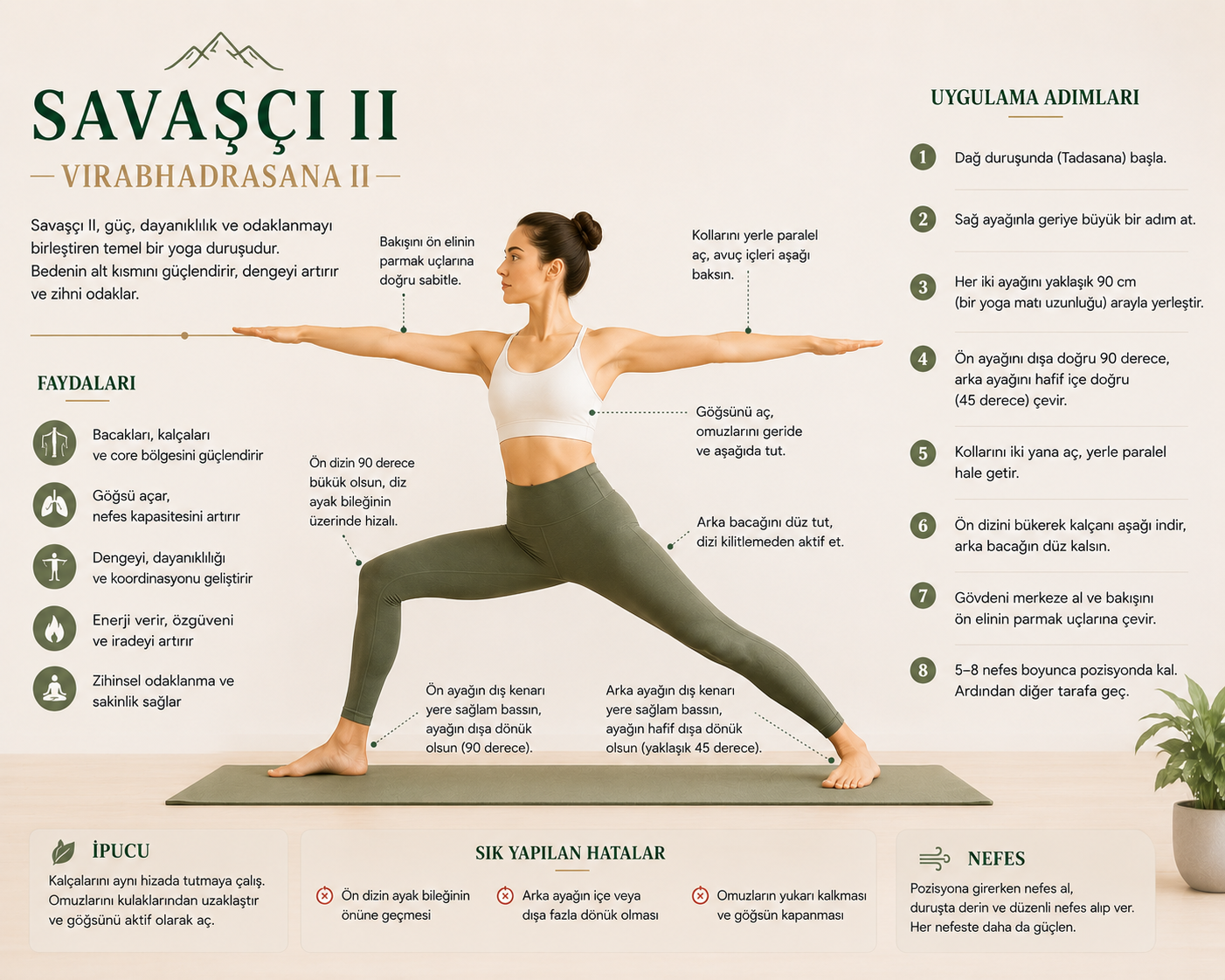
Warrior II — Virabhadrasana II
It looks similar to Warrior I, but the positioning of your torso and hips is different. Your arms extend out to the sides, your front knee bends and your gaze looks forwards over your front hand. It’s a basic pose that brings leg strength, balance and body awareness into play together.
You don’t need to memorise all the Sanskrit names on your first day. With regular classes, you may eventually hear “Adho Mukha Svanasana” and find yourself moving into Downward-Facing Dog before you’ve even thought about it.
What should you expect in your first yoga class?
It’s completely normal to feel a little out of place on your first visit to a yoga studio. The instructor may use Sanskrit names for the poses. Some people around you might already be in position before you’ve worked out what’s happening. Try not to worry too much about that.
Starting any new activity can feel much the same. Beginner classes are there to help you learn the movements. Although the structure varies, a typical session might go something like this:
You begin with a short breathing or focusing practice, then move into simpler movements to prepare the body. The middle of the class involves different poses or short sequences.
Most classes finish with a lying-down relaxation pose called Savasana. You aren’t expected to manage every movement in your first class, and you shouldn’t expect that of yourself, either. If something feels too difficult, you can ease out of it. If you feel sharp or unusual pain, don’t push through the movement.
You might not be able to do some poses in your first few classes. That’s perfectly normal. None of us started walking on the day we were born. Why should yoga be any different?
Is yoga safe?
Yoga is generally considered a safe physical activity when practised appropriately. But, as with any physical activity, the risk of injury isn’t zero. Beginners should avoid jumping straight into advanced poses before learning the basics. NCCIH advises particular caution with certain more advanced practices, including:
- Headstands.
- Shoulder stands.
- Lotus position.
- Forceful or demanding breathing techniques.
Some health conditions may also require modifications. For example, not every pose will suit someone with severe high blood pressure, balance problems, glaucoma, knee or hip injuries, or certain spinal conditions. Yoga isn’t automatically off-limits during pregnancy, but movements need to be adapted appropriately. Hot Yoga, in particular, is not recommended during pregnancy because of the risk of overheating.
If you have an existing health condition, ongoing pain or an injury, the safest approach is to speak to an appropriate healthcare professional and your yoga instructor before starting.
Yoga or Pilates?
Yoga and Pilates are often compared, sometimes as though you have to choose just one. In fact, they’re disciplines with different areas of focus. Yoga brings together movement, flexibility, balance, breathing and mind–body awareness. Pilates places more emphasis on controlled movement, posture and control of the core muscles.
So which is better? There isn’t one answer, because it depends on what you want. Whether you run, lift weights or enjoy another sport, you can use yoga and Pilates for different purposes alongside your main training. You can also do both. We’ll explore this in more detail in a separate guide: Yoga or Pilates: Which Is Right for You?
Starting yoga isn’t as difficult as you might think
There can be a big gap between what yoga looks like from the outside and what starting actually feels like. You won’t be expected to do most of the advanced poses you see on social media in your first class. Even after years of practice, you don’t have to do all of them. You’ll probably start with much simpler movements.
You’ll begin to notice how you use your breath while moving. And you’ll discover that some poses that look very easy actually need quite a bit of balance, control and concentration. We think one of the biggest mistakes at the beginning is waiting to become flexible before trying yoga. When you think about it, that’s a little backwards.
If you keep putting off yoga because you aren’t flexible, you’re simply postponing the start. Find a beginner class. Set aside 20–30 minutes. For the first few sessions, focus on getting to know the movements rather than doing them perfectly. The rest develops with practice.
Sources
- National Center for Complementary and Integrative Health (NCCIH) — Yoga: Effectiveness and Safety
- Harvard Health Publishing — Yoga: Benefits Beyond the Mat
Note: This article is for general information. Yoga does not replace treatment for any medical condition. If you have an existing health condition, an injury or are pregnant, consult an appropriate healthcare professional before starting exercise.
Frequently asked questions
Can yoga help you lose weight?
Yoga provides physical activity, and some studies have found positive associations with weight management. However, it shouldn’t be viewed as a workout that burns large amounts of calories on its own. Nutrition, total physical activity and overall lifestyle play a much broader role in managing weight.
Can I do yoga if I’m not flexible?
Yes. Being flexible isn’t a requirement for starting yoga. Many movements can be adapted to your current range of motion and experience level.
How old do you need to be to do yoga?
Yoga can be practised across a wide range of ages, from children to older adults. The movements need to suit the person’s age, physical capabilities and any health conditions they may have.
Can you do yoga every day?
You can. But beginners don’t need to do long, intense sessions every day. Start with a few short sessions each week and increase the frequency according to how your body responds.
Do you need a yoga mat?
A mat isn’t absolutely essential. But a non-slip yoga mat makes movements more comfortable and can be very helpful for safety, particularly on hard or slippery floors.
What should you wear to your first yoga class?
Comfortable sports clothes that let you move freely are enough. Very loose tops can slide up in some inverted positions, so clothes that fit reasonably close to the body without restricting movement may be more practical. You don’t need to buy a special yoga outfit.