
Running Distances: From 5K to Ultras, How Far Are They and How Do You Prepare?
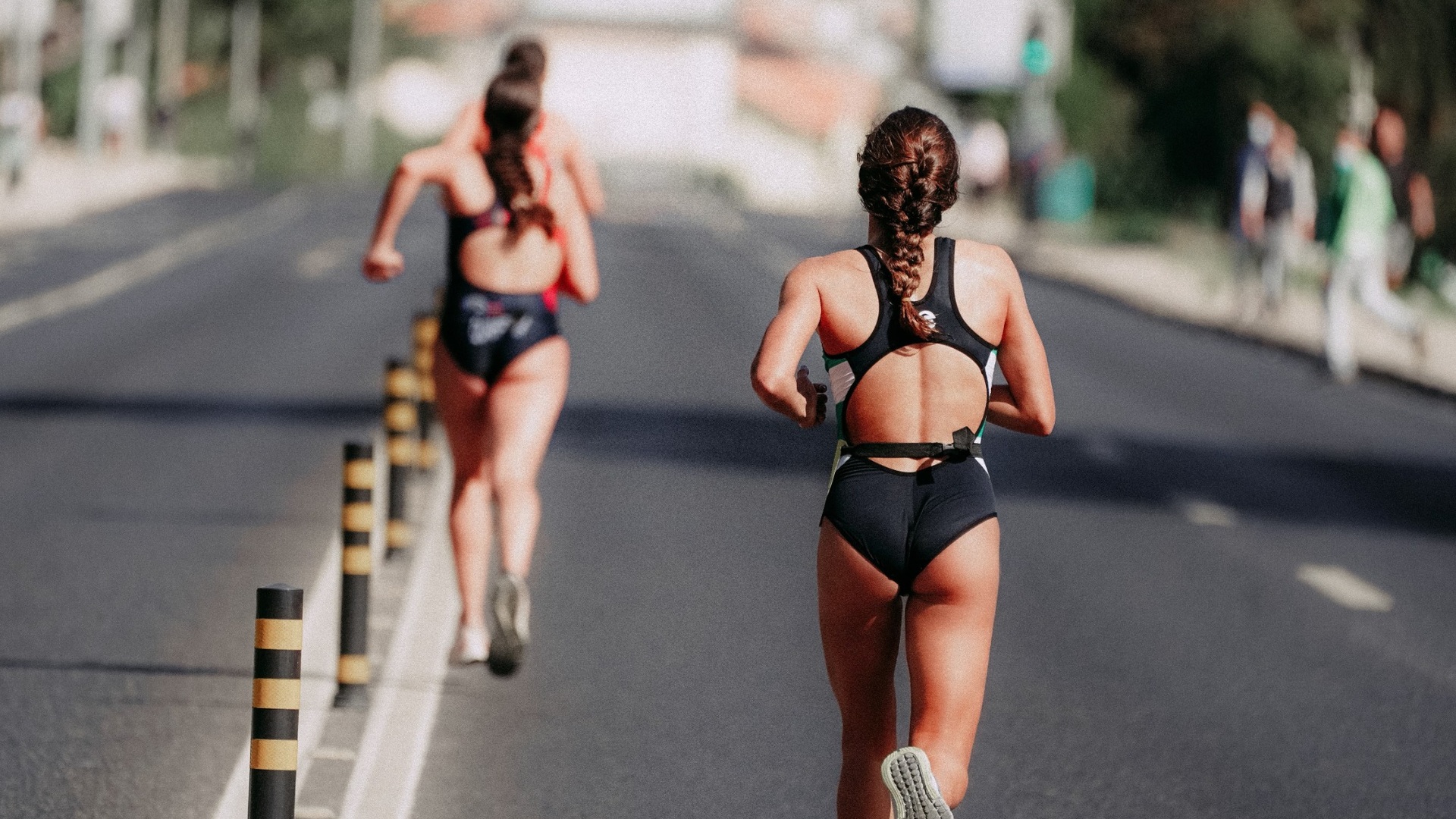
Running distances seem simple at first. 5K, 10K, 21K, 42K… “Right, kilometres,” you think. Then you open the race calendar and find half marathons, 50 miles, 100K and ultras. We’d only just sorted out kilometres, and now there are miles. And once you like the look of a race, understanding the distance is only the beginning: “Can I run this? How much preparation do I need?”
Let’s first see how many kilometres those names mean. The table below brings the running distances together. Then we’ll look at which distance makes sense to start with, what to expect in preparation and what intervals, tempo runs and long runs are for.
| Distance | Kilometres | Example finish time at 7:00 min/km | Example preparation time |
|---|---|---|---|
| 5K | 5 km | 35 minutes | 9 weeks or longer for new runners |
| 10K | 10 km | 1 hour 10 minutes | An 8-week plan for people ready to complete the opening runs |
| 15K | 15 km | 1 hour 45 minutes | A 10-week plan for people with a basic fitness foundation |
| Half marathon | 21.0975 km | About 2 hours 28 minutes | A 12-week beginner plan for regular runners |
| Marathon | 42.195 km | About 4 hours 55 minutes | An 18-week first-marathon plan for people with a running foundation |
| Ultra: 50K / 100K / 100 miles | 50 / 100 / about 160.9 km | Varies greatly with the course, elevation and stops | There is a 26-week 50K plan example for experienced runners; longer distances need separate planning |
Don’t set yourself a goal the moment you see those finish times. They’re calculations based on 7 minutes per kilometre. Being able to run 5 kilometres at that pace doesn’t mean you can keep it up through a marathon.
The same goes for preparation weeks. The table gives examples from published plans; your starting point can change the total time you need. For example, the 8-week 10K plan assumes you can run about 4 kilometres in the first week. If you’re still alternating a few minutes of running with walking, you need time to get to that point first.
We didn’t make up the timelines: for 5K, we used the beginner plan combining walking and running from the UK’s public health service, the NHS. For the other distances, we used running coach and author Hal Higdon’s plans. The NHS plan aims for 30 minutes of continuous running in nine weeks.
Why are running distances these particular numbers?
Five and ten kilometres make sense. But when you see 21.0975 for a half marathon and 42.195 for a marathon, you might wonder, “Couldn’t we have rounded those?” Race distances didn’t all develop in the same way. There are round metric distances and traces of older measuring conventions; for the marathon, the length of a historic course has carried through to today.
Track distances include 400, 800, 1,500, 5,000 and 10,000 metres. One lap in the inside lane of a standard outdoor track is 400 metres. That makes 800 metres two laps and 5,000 metres 12.5 laps. On the road, “K” means kilometres: when you see 5K, read it as 5 kilometres.
The difference between track and road distances
A track 5,000 metres and a road 5 kilometres are the same length. But they feel different when you run them. On the track, you repeatedly pass the same point and follow your lap times. On the road, a bend leads into a hill, and then a headwind picks up. The effort needed to hold the same pace can change.
If your watch shows a little extra distance at the finish, don’t assume the course must be too long. Overtaking in a crowd and GPS errors can affect the recording. For distances, see the World Athletics certified road events page.
How far is a 5K, and who is it for?
A 5K is simply 5 kilometres. It’s a good option if you’re considering your first race or returning after a long break. Preparation is easier to fit into your week than for longer distances. You can take walking breaks when needed.
Still, don’t assume “It’s only five kilometres; it’ll be easy.” Especially at your first race, don’t get swept up by the people next to you. Follow someone just because they start fast and a few kilometres later you may be asking yourself, “Why did we set off that quickly?”
Start by getting used to heading out regularly. Find an effort where your breathing feels under control and gradually increase your running time. The First 5K tool can help you organise your week. If you’re wondering about the time you might take over this distance, look at the table in How Long Does It Take to Run 5 km?.
How far is a 10K, and how does it differ from a 5K?
A 10K is 10 kilometres. On paper, it’s twice a 5K. It’s tempting to think, “I’ll just carry on a little longer at the same speed. How hard can it be?” But taking your 5K race pace over twice the distance can be demanding. Everything may feel fine early on, only for your legs to have other ideas in the second half.
If you regularly run 5 kilometres, a 10K could be your next goal. Keeping your easy runs and gradually lengthening one run a week helps you get used to the distance. On your first attempt, choose a pace you can sustain from the start. If you have to slow down noticeably in the final kilometres, your opening speed may have been too high.
The 8-week plan in the table includes a run of about 4 kilometres in week one. If that still feels out of reach, build a foundation with shorter runs first. How Do You Know You’re Ready to Move Up to 10K? may help you decide.
How far is a half marathon?
A half marathon is 21.0975 km. The “21K” or “21.1 km” you see in announcements is a rounded version of the same distance. It’s exactly half a marathon; you can work out distance and pace on the Pace Calculator page.
You need to sustain running for longer over this distance. The weekly long run is an important part of preparation. But barely running all week and leaving everything to Sunday may not be enough. Easy runs on the other days help develop your endurance, too.
The 12-week first-half-marathon plan in the table assumes you can already do runs of about 5–6.5 kilometres. If you’ve just started running, you may need extra time to build that foundation. You don’t have to increase the long run every week, either; reduced-load weeks allow recovery. We discuss how much to add in How Much Should the Weekly Long Run Grow During Half-Marathon Training?.
How far is a marathon?
A marathon is 42.195 km. We casually call it “42K”, but those final 195 metres are part of the course, too. Preparing means making time for pacing, nutrition and recovery as well as the kilometres you run.
Why is a marathon 42.195 km?
The story behind that precise number goes back to the 1908 London Olympics, when the marathon distance wasn’t yet fixed. The course from Windsor to White City Stadium, with its start and finish arrangements, was run over 26 miles and 385 yards. Converted to kilometres, that’s 42.195.
In the history recounted by World Athletics, the royal residence at Windsor and the finish in front of Queen Alexandra at the stadium are part of the story. The distance run in London became the standard in 1921.
How long does marathon preparation take?
The first-marathon plan in the table lasts 18 weeks. But it already includes a long run of about 10 kilometres in week one. If you’re currently running for a few minutes before walking, build your running routine before marking a date with “Marathon done in 18 weeks.”
Preparation also has a place in everyday life. You’ll need time for long runs, recovery afterwards and keeping that up for several months. Factor this in when choosing a race date. You don’t have to run the whole marathon in training; long-run distances depend on your level and plan.
How far is an ultramarathon?
An ultramarathon is a run longer than the marathon distance of 42.195 kilometres. Formats include 50K, 100K, 50 miles and 100 miles. For races listed in miles, you need to convert: 50 miles is about 80.5 kilometres, and 100 miles about 160.9 kilometres.
An event having “ultra” in its name doesn’t mean all its courses are ultras. Before going by the event name, check the kilometres of the course you’re entering.
The 26-week 50K plan in the table is for people with running experience. Don’t apply the same timetable to 100K or 100 miles. Getting used to prolonged time on your feet, testing food and drink while running, and preparing for race conditions require more time at these distances.
The difference between road and trail ultras
Fifty kilometres on a flat road and fifty kilometres on a mountain trail are different tasks. Climbs, rocky ground and technical descents affect your speed on a trail course. Add weather, and predicting a finish time from kilometres alone gets difficult.
If you’re targeting trails, practise walking uphill, moving under control on descents and running with the required equipment, too. Walking steep climbs can be part of your race plan. Alongside the distance, check total ascent, gaps between aid stations and cut-off times; “50K” doesn’t tell you everything about the course.
Which running distance should you start with?
If you’ve never run, start by combining short runs with walking. A 5K could be a first race; allow yourself preparation time. In the opening weeks, getting out regularly comes before running fast. Doing a lot one day and spending the next few exhausted can make starting harder.
If you regularly run 5K and recover before your next session, consider a 10K. But you don’t have to move up just because the calendar includes a longer distance. Running your favourite 5K route more comfortably or faster is a goal in its own right.
If you’ve finished a 10K, don’t base your half-marathon decision on that finish alone. You could consider preparing if you keep running regularly and can make time for long runs. If you barely finished the 10K and took days to recover, gaining more experience at that distance first may be worthwhile.
Running distances and training: which workout for which distance?
Intervals, tempo, long runs, Zone 2… Don’t try to fit them all into the week as soon as you hear about them. Someone aiming to finish a first race and someone trying to improve a time have different needs. The table below shows where each workout plays a bigger role.
| Distance | Easy runs | Intervals | Tempo/threshold work | Long runs |
|---|---|---|---|---|
| 5K | Foundation | Important for a time goal | Supporting role | Supporting role depending on level |
| 10K / 15K | Foundation | Help develop speed | Important | Important |
| Half marathon | Foundation | Supporting role | Important for a time goal | Key component |
| Marathon | Foundation | Supporting role depending on goal | Threshold and marathon pace serve different purposes | Key component |
| Ultra | Foundation | Depend on goal and course | Supporting role depending on goal | Key component alongside time on feet and course-specific preparation |
Build a running routine you can maintain first. Factor in rest days when adding speed work.
What is interval running?
In interval running, you run for a set time or distance, take a recovery break and repeat. For example, you could run a controlled, fast 400 metres and then recover with easy jogging or walking. Speed, repetition length and recovery duration change the purpose of the workout.
An example for a regular runner: 10–15 minutes of easy warm-up, 6 × 400 metres at a controlled, fast pace, about 90 seconds of easy jogging or walking between repetitions, and an easy cool-down at the end. Adapt the number of repetitions and session length to your level. Choose a speed that lets you finish all repetitions at a similar effort.
We don’t want you spending all your energy on the first 400 metres and stopping at the third. These repetitions can be used especially for 5K and 10K goals; longer distances also use different interval formats. If you’d like to try more flexible speed changes, read What Is Fartlek?.
Tempo runs: a foundation for 10K and half-marathon training
A tempo run uses more effort than an easy run. Your breathing quickens and a long conversation becomes difficult, but you can still maintain the pace for a while. It can be used to get accustomed to this effort, particularly for 10K and half-marathon running.
“Tempo” doesn’t necessarily mean the same thing in every plan. Threshold work, for example, generally requires more effort than marathon pace. You can also split the workout into sections with easy running in between. Find more in How to Improve Your Running Pace: Tempo Runs and Threshold Training.
Long runs: the backbone of half-marathon and marathon training
The long run is an endurance workout lasting longer than your other runs that week. It’s usually done at a comfortable effort. You don’t need to break your own record every week; you’re getting used to moving for longer. These runs also let you test shoes, food and drink, and how they feel for you.
How you feel over the following days matters, too. If fatigue lasts for days, you may need to reduce distance or speed. If you run more slowly, consider total duration as well as kilometres. We explain how to plan increases in the long-run guide.
Easy runs and Zone 2

On an easy run, you breathe comfortably enough to talk to the person next to you. You may look at your watch and think, “Am I really going to run this slowly?” If that’s what it takes to keep the effort easy, yes. You don’t need to collapse onto the sofa after every run; less tiring days help you train regularly.
Zone 2 boundaries vary with the zone model being used. So don’t automatically count every easy run as Zone 2. Consider your watch’s range alongside your breathing and perceived effort. What Is Zone 2? and the Target Heart Rate tool can help you understand the calculation.
Race week: tapering and warm-ups vary by distance
The race is approaching, and you start remembering the runs you missed. If you’re thinking “One long run now will make up for it,” pause for a moment. During a taper, you reduce training load and allow accumulated fatigue to ease. Squeezing missed work into the final days may leave you more tired at the race.
The length of this period depends on the distance and your previous load; for a marathon, it may begin before the final week. Adapt your warm-up to the race, too. You might warm up more thoroughly before a fast 5K, while avoiding tiring yourself with a long warm-up run before your first marathon. For details, read What Is Tapering? and How Long Should a Race-Morning Warm-Up Last?.
Choosing a running distance: start with the running you do today
When choosing a running distance, look at how much you run now and the time you can give to preparation. If you want to finish your first 5K, start there; there’s no need to rush towards a marathon. Open the race calendar and find an event that gives you enough time to prepare.
Frequently asked questions
How long is a fun run?
There's no fun run distance that's the same at every event. Organisers may offer a shorter course alongside the main race; check the event description for the distance and whether walking is allowed.
What is the shortest running race?
Running races don't start at 5K; there's the 100-metre sprint on an outdoor track, or 0.1 kilometres. With 60 metres indoors and different distances at children's events, it's hard to name a single “shortest” distance for all races.
Is a half marathon or a marathon harder, and is distance the only difference?
In similar conditions, a marathon usually demands more endurance, fuelling plans and recovery. Still, a half marathon can be very tough if you run it too fast; the course and the pace you choose also change the outcome.
Do you have to run a half marathon before a marathon?
Generally there's no such requirement, though you should still check the specific entry conditions of the race you choose. Half marathon experience can help, but what a marathon really needs is a training base suited to that distance.
How do I work out my finishing time for a distance?
Multiply the distance by your time per kilometre: at 6:00 min/km, 10 kilometres takes an hour. The Pace Calculator does the maths for you; whether you can hold that pace to the finish depends on your preparation and the conditions.