
Lap Pace vs. Current Pace: Which Should You Watch While Running?
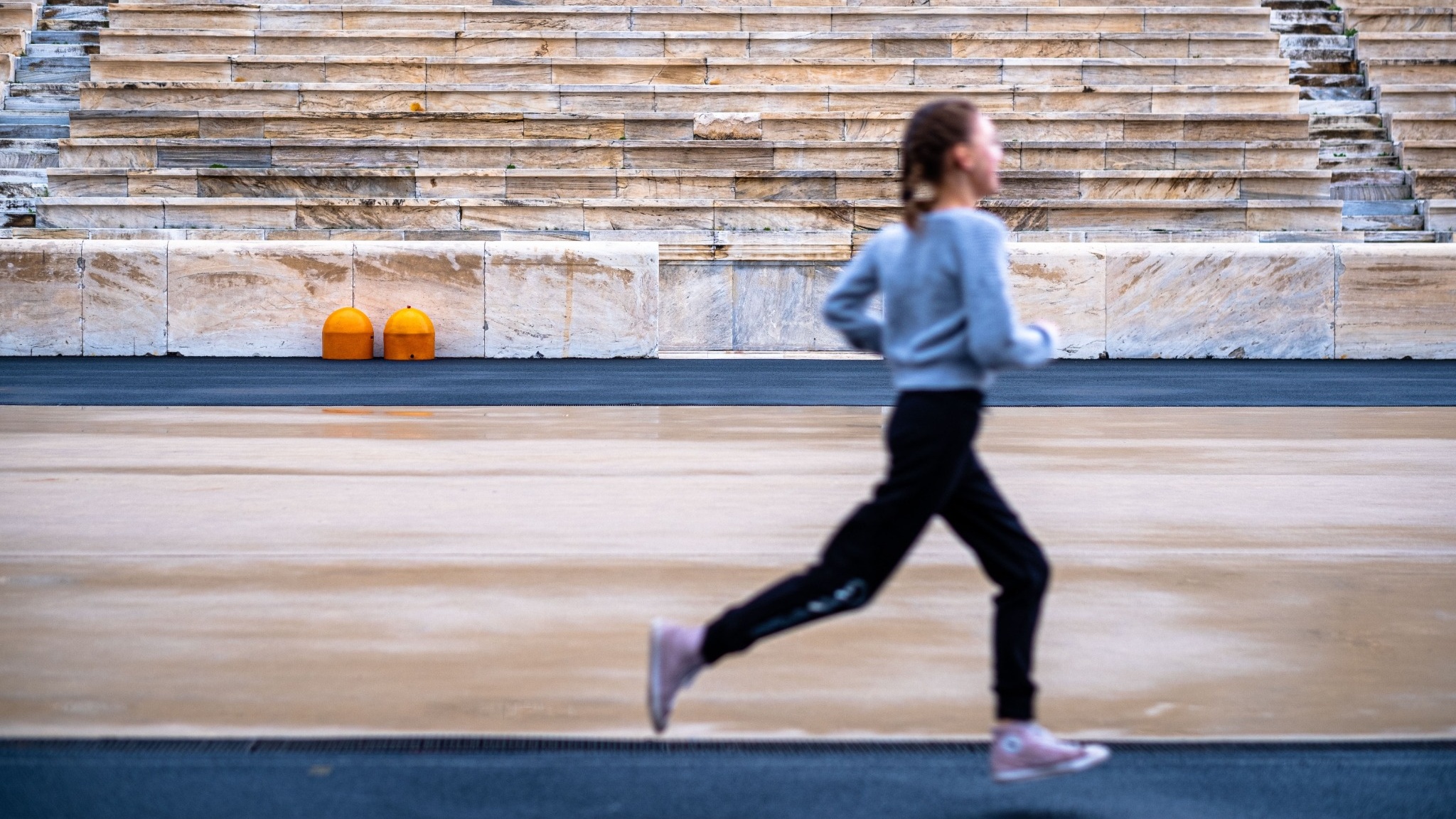
You know the feeling. You’re running on flat ground, your stride feels steady, and your watch says 5:40. You glance down again and it’s suddenly 6:10. As far as your legs can tell, you’re still doing the same thing. So which number should you trust? Put Lap Pace on your main screen when you want to run a kilometre or an interval at a target pace. Glance at Current Pace to see what happens when you speed up or slow down. On an easy run, you can settle into a pace that lets you chat and check your watch every now and then.
What’s the difference between Current Pace and Lap Pace?
| Watch field | What it shows | What it tells you mid-run |
|---|---|---|
| Current Pace | Your estimated pace right now | How fast am I running right now? |
| Lap Pace | Your average pace since the current lap began | How fast have I been running this lap? |
| Average Pace | Your average pace for the whole workout so far | What’s my average pace since I started? |
Running pace is usually shown in minutes per kilometre. At 5:50 min/km, it’ll take you 5 minutes and 50 seconds to cover a kilometre if you hold that pace. The names of these fields can vary depending on your watch or app.
A lap can start anywhere along your route. If your watch supports distance-based Auto Lap, set it to start a new lap every kilometre. Lap Pace will then show your average for the kilometre you’re currently running. Say you’ve finished warming up and you’re about to start your first fast rep. Start a new lap on your watch at that moment and it’ll calculate Lap Pace from there. If your watch offers a pace field for the current workout step, you can use that to follow the fast rep in a structured workout.
Why does Current Pace jump around?
On an outdoor run, your watch can use GPS data to estimate how fast you’re moving. Among tall buildings or under a thick canopy, the position estimate can drift and the pace on screen can jump. Sometimes you really have changed pace. You might shorten your stride around a bend or ease off as you approach a crossing without even noticing. Your watch can also take a few seconds to show the change.
Lap Pace can jump around in the first few metres of a lap, too. You’ve covered so little ground that even a brief slowdown can move the average. As the lap goes on, each little swing matters less. If you speed up the moment you see the first number on a new kilometre, congratulations. Your steady run just picked up an extra interval.
Which pace should you check on different runs?
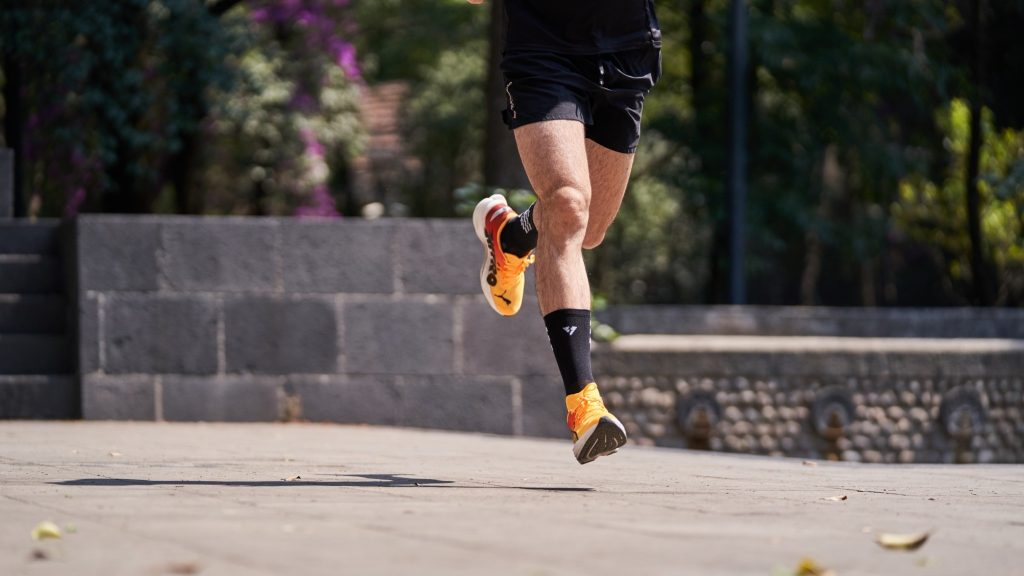
Steady runs and longer intervals
Say you’re aiming for 6:00 min/km on a flat route. Halfway through the kilometre, Lap Pace reads 6:04 and Current Pace reads 5:55. You’ve covered the first 500 metres in about 3:02. Run the next 500 metres in 2:58 and you’ll finish the kilometre in exactly 6 minutes. Hold roughly the 5:55 pace you’re seeing and you’re on track. You can keep your rhythm for those last 500 metres.
For 4 × 1 km, start a fresh lap at the beginning of each fast rep. That keeps the slower recovery pace out of the average for your next rep. Add lap distance to the screen, too. When Lap Pace reads 6:10, you’ll know at a glance whether you’ve just started or have only 200 metres left.
Short reps over 200 or 400 metres
On a 200-metre rep, you can cover a fair bit of ground before the watch catches up with your new pace. Lap Pace can be jumpy in those first few metres as well. On a track where you know the distance, it’s easier to time the rep. Start the timer when you set off and check it as you cross the line. At 5:00 min/km, you’re aiming for 1 minute over 200 metres or 2 minutes over 400 metres.
Easy runs, hills and run-walk sessions
On an easy run, find a rhythm that lets you say a full sentence comfortably. If the number on your watch shows a slower pace uphill, you can ease off and keep the effort comfortable. Try to hold your flat-ground pace up the hill and that easy run can get hard in a hurry.
If you run for a minute and walk for two, Lap Pace includes the walking portion when both are in the same lap. To see your pace for that one minute of running, start a fresh lap when you begin running and end it when you switch back to walking. In a structured run-walk workout, you can also check the pace for the running step.
How should you set up your running screen?
For steady runs, start with Lap Pace, lap distance and total distance on your main screen. Put Current Pace on a second screen if you’d like to check it when you deliberately change pace.
If you use an Apple Watch, look at the Outdoor Run views in the Workout app. Split lets you track equal-distance chunks of your run. Use the Segment view to track a rep from the point where you start it. Rolling Mile shows your pace over the last mile you’ve covered. As you move, the stretch of road that goes into that calculation moves with you.
Try it on your next flat run. Find your rhythm over the first half of a kilometre, check Lap Pace once at the halfway mark, then look at the lap time when you finish. If you were aiming for 6 minutes and came in at 6:03, does it really matter how many different numbers flashed across your watch along the way?