
Do You Really Need Running Sunglasses? What to Know Before You Buy
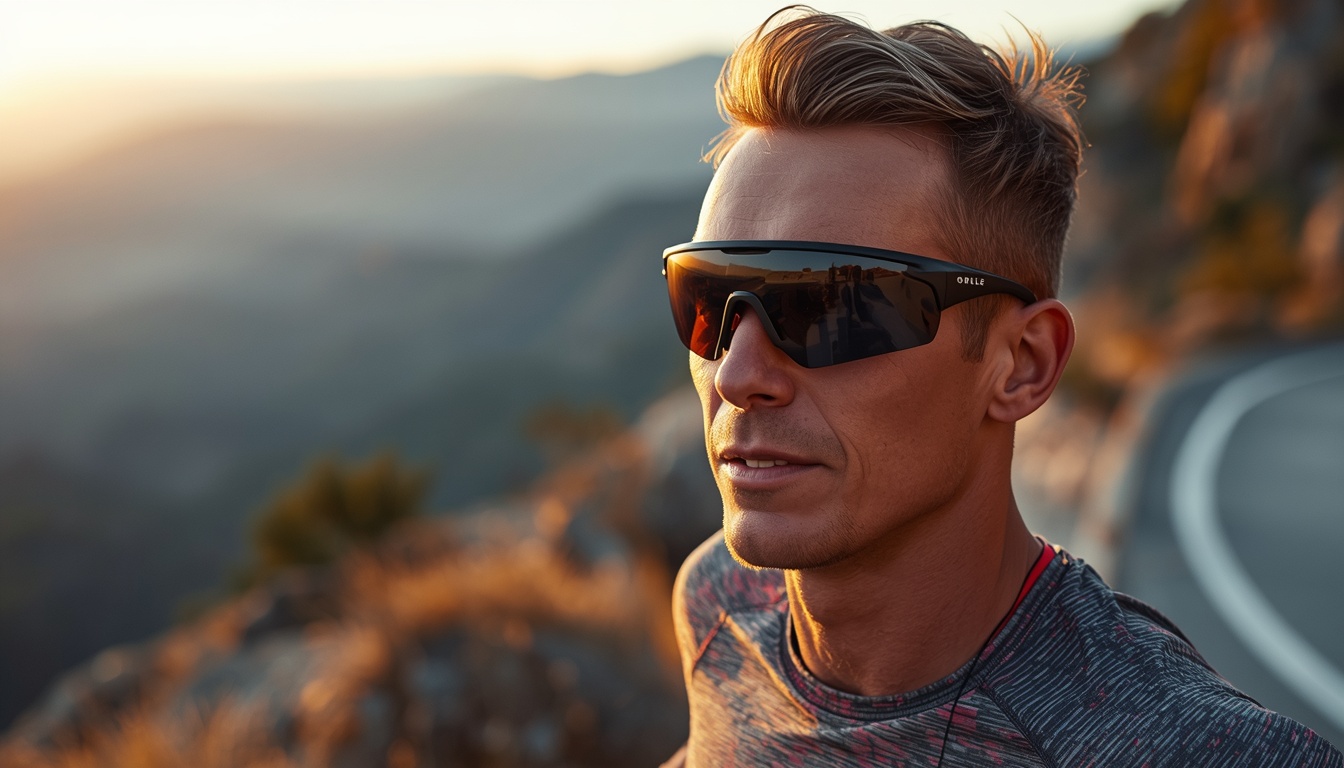
When you start running, sunglasses probably aren’t at the top of your gear list. Most of us look for the right running shoes first. Then come shorts, a shirt, socks and maybe a sports watch. After a while, though, you start noticing the sports sunglasses other runners wear along the waterfront, in the park or at races.
“Why would I need special glasses to go for a run? Aren’t my regular sunglasses enough?”
Honestly, I thought the same thing for a long time. I’d see runners wearing sports sunglasses along the waterfront and wonder why they bothered. Then a tiny fly got into my eye on a run, and I ended up with an eye infection.
That was when I realised how much else a pair of running sunglasses could keep out of my eyes. They’re designed to help shield you from bright sunlight, UV rays, wind, dust and bugs. Whether you need a pair depends on what your runs look like.
What are running sunglasses?
Running sunglasses are lightweight sports eyewear designed to stay put while you move.
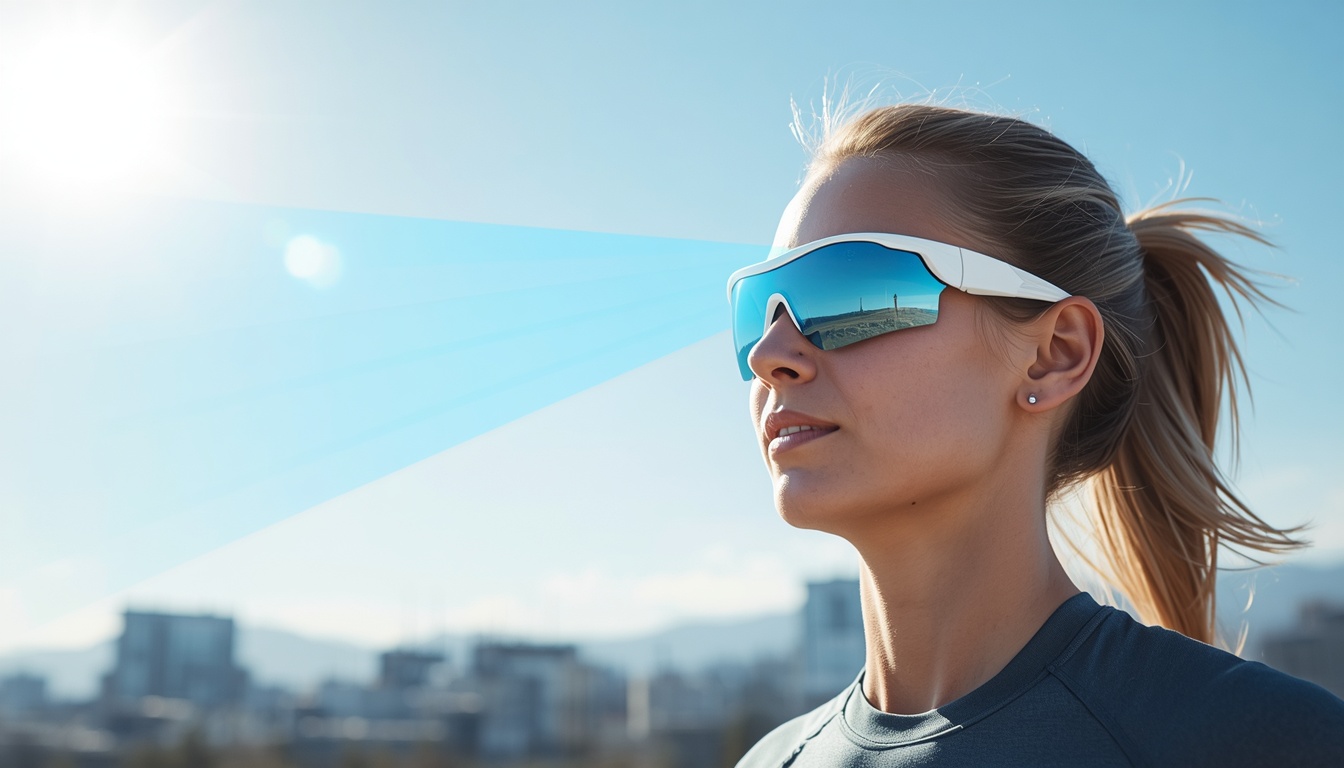
Compared with everyday sunglasses, they’re generally designed to be lighter, give you a wider field of view, grip better as you move and offer greater impact resistance. That makes them better suited to wearing during sports. Looking good is a bonus. The main job is to protect your eyes and stay comfortable while you run.
Do you really need running sunglasses?
It depends on when and where you get outside. If you’re mostly taking a short evening walk once a week, you can probably skip a dedicated pair. Running sunglasses can come in handy if you:
- Run around midday
- Cover long distances
- Train on trails
- Take part in races
What do they protect you from besides the sun?
On a run, wind, airborne dust, little bits of gravel, bugs, branches and pollen can all bother your eyes. Pick up the pace and even a tiny bug in your eye can take the fun out of the whole session.
Why does UV protection matter?
It’s easy to associate UV exposure with sunburn, but it can affect your eyes over time, too. The World Health Organization highlights the effects of UV exposure on eye health. Many good sports sunglasses offer 100% UV protection, so check the label alongside the lens colour and frame design.
Think of your sunglasses as one part of sun protection for outdoor sports, along with a hat, suitable clothing and sunscreen.
Can you run in regular sunglasses?
Of course. How well they work depends on the pair. Everyday sunglasses can slide down your nose once you start sweating, bounce or shift with each step, limit your field of view or simply feel heavy. Running sunglasses are designed to cut down on those annoyances.
Running sunglasses lenses
Are polarised lenses worth it?
If you run by the sea or on exposed roads, polarised lenses can make bright conditions more comfortable. They help cut glare bouncing off water, asphalt and car windows. Whether they’re worth getting depends on where you usually run.
How do photochromic lenses work?
Photochromic lenses have become popular because they darken and lighten as conditions change. Say you head out under cloudy skies and the sun comes out partway through your run. The lenses darken on their own. That’s handy if you spend long stretches training outdoors.
Do running sunglasses fog up?
Some pairs do. Well-designed sports sunglasses often have vents that let air circulate and can cut down on fogging. You’re especially likely to notice the difference on winter runs.
Are frameless models better?
You’ve probably seen more brands using a single large lens in recent years. There’s a practical reason for it. A one-piece lens can give you a wider field of view, improve peripheral vision and reduce blind spots caused by the frame. That helps explain why these designs are popular with trail runners.
Running sunglasses for trails and winter
On the trails, I find eyewear more useful than on the road. You’re more likely to come across branches, splashes of mud, loose stones and bugs. For many trail runners, glasses are protective gear as much as they are a way to shade their eyes.
In winter, cold wind, dry air and airborne dust can still bother your eyes. That’s why plenty of runners wear sports eyewear year-round.
What should you look for when buying running sunglasses?
| Feature | Why it matters |
|---|---|
| Low weight | You want a pair that still feels light late in a long run. |
| Grippy nose pads | The glasses should stay put when you sweat. |
| UV protection | Look for 100% UV protection. |
| Wide field of view | Useful when you’re running near traffic or on trails. |
| Ventilation | Airflow helps reduce fogging and keeps the glasses more comfortable. |
Do you need an expensive pair?
If you’re new to running, I’d put getting out regularly ahead of buying a top-end pair. Once you’ve had a few weeks of regular runs, you’ll have a better sense of whether eyewear would help. If you start running longer distances, racing or heading out on trails, you can always upgrade later.
One example from the Ankara race calendar is the Cumhurbaşkanlığı Koşusu, one of the busiest road races on the Ankara calendar.
Would I wear them?
Yes. I’d buy a pair after sorting out my gear in this order:
- Running shoes that suit me
- Good running socks
- Comfortable running clothes
Once I’d settled into a regular running routine, I’d add a good pair of sports sunglasses. For me, the payoff is being more comfortable and keeping my eyes protected while I run. That’s what earns them a spot on my gear list.
So, do you need running sunglasses?
Once you start running regularly, you may notice how much easier it is to keep your eyes comfortable when there’s sun, wind, dust or the odd bug in the air. A good pair is worth considering if you run long distances, train during daylight or spend time on trails.
Think about what you want from your glasses. Do you mostly need shade on bright days, or do you also want a pair that stays put and helps shield your eyes and keep your view clear as you run? That’ll give you a good idea of whether a dedicated pair is worth buying.
Give your glasses a few long training runs before you wear them on race morning. If you’re still picking an event, have a look at the road race calendar and give yourself a date to work toward.