
How to choose snowboard length: does weight or height matter more?
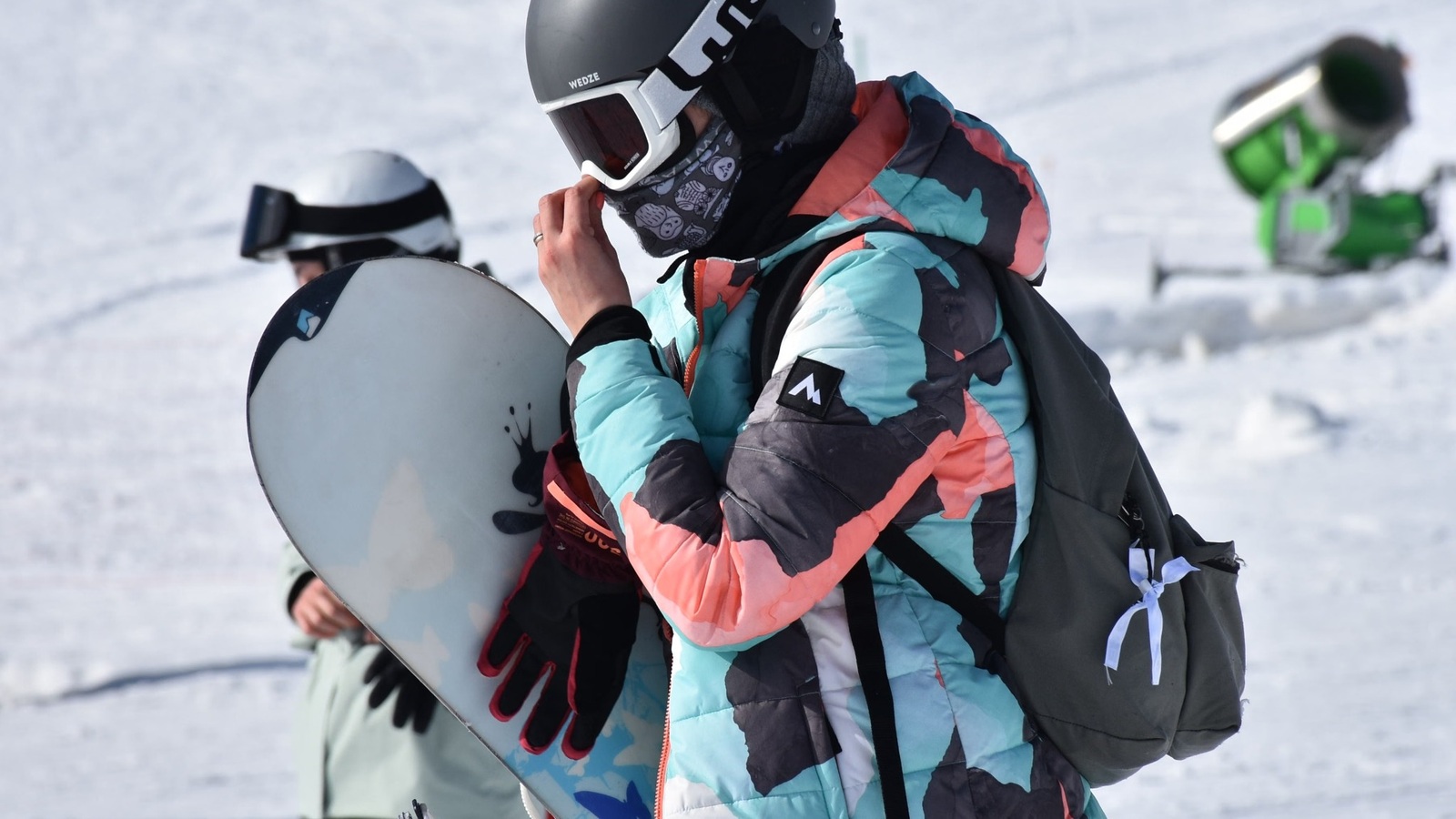
One of the first pieces of advice you’ll probably hear when choosing a snowboard is: “Stand the board upright. If it reaches somewhere between your chin and your nose, you’re good to go.” That method isn’t completely wrong, but it’s a little too simple for choosing a snowboard today. Think about it: two people of the same height can have very different weights, boot sizes and riding styles.
For example, you might be 175 cm tall and weigh 65 kg. Someone else could also be 175 cm tall but weigh 90 kg. It won’t always make sense for both of you to ride the same board. So it helps to change the starting point: when choosing snowboard length, look at your weight first, then your riding style and the manufacturer’s sizing recommendations. Treat your height as a secondary check.
Why does weight matter more when choosing snowboard length?
A snowboard responds directly to the load placed on it. That’s why manufacturers often provide a recommended rider weight range for each size, rather than just the board’s length. For example, Burton’s official sizing guide identifies weight and boot size as key factors in snowboard selection. If you’re above the recommended weight range, the board may feel softer; if you’re below it, it may feel stiffer.
Here’s a simple example. If the 158 cm version of a board is designed for riders weighing 65–85 kg, a 100 kg rider shouldn’t choose that size based on height alone. The extra load may make the board’s flex feel softer, and it may not offer the stability you expect, particularly as you pick up speed.
The opposite can cause problems, too. If a very light rider chooses a board that’s too long or stiff for them, flexing it and initiating turns may take more effort. So one of the lines to look for when browsing snowboards is Rider Weight / Recommended Weight Range: the manufacturer’s recommended weight range for that board size.

Does height still matter?
Of course. It just shouldn’t be the only thing you base your choice on. Your height gives some indication of stance width, body proportions and overall weight distribution. That’s why snowboard sizing charts still use both height and weight.
For example, general sizing charts may suggest roughly 148–162 cm for a rider who is 173 cm tall and weighs around 68–77 kg, or roughly 152–164 cm for someone who is 183 cm tall and weighs around 77–88 kg. But these are only broad starting ranges. The chart that really matters is the one for the specific model you’re considering.
So “I’m 175 cm tall — what length snowboard should I buy?” doesn’t have a clear answer on its own. At the very least, you also need to consider your weight and how you want to ride.
Should you choose a shorter or longer snowboard?
Another thing that can be confusing is finding several board lengths recommended for the same weight range. A manufacturer’s chart might show that 154, 157 and 159 cm could all suit you, for example. This is where your riding style comes in.
A slightly shorter snowboard
A shorter snowboard is generally easier to turn and feels more nimble. That’s why beginners, riders who focus on park and freestyle, and anyone looking for a more playful board may prefer the shorter end of the recommended range.
A slightly longer snowboard
A longer snowboard may feel more stable, particularly at higher speeds. The extra surface area can also be useful for freeride and powder riding. Riders who enjoy speed, focus on freeride or want more float in deep snow may lean towards the longer end of the recommended range.
But there’s no strict rule that says “I ride freeride, so I must buy a long board”. Wider boards with different shapes, often described as volume-shifted, can be ridden shorter than conventional models. For example, if you normally ride a conventional 158 cm all-mountain board, a differently shaped model in 152–154 cm might be the right choice. Comparing two different snowboards purely by their length in centimetres can be misleading.
Don’t forget boot size
One common mistake is getting the length right but overlooking the width. If you have larger feet, the board’s waist width — its width at the narrowest point — becomes particularly important. A little toe and heel overhang is normal. Too much, however, can allow your boots to catch the snow, especially during deep turns.
That’s why riders with larger boot sizes may need the Wide (W) version of certain models. Don’t just ask “158 or 160?” when choosing a snowboard. The board’s width needs to work with your boots, too.
How should a beginner choose snowboard length?
If you’re buying your first snowboard, there’s no need to make the process more complicated than it has to be. You can work through these steps:
- Start with your weight. Check which lengths match your weight in the manufacturer’s size chart for the board you like.
- Check your boot size. Work out whether you need a standard-width board or a Wide model.
- Think about where and how you’ll ride. An all-mountain model is a sensible starting point for most beginners who want to ride groomed runs and have a board for general use.
- If you’re between sizes, consider your riding style. Lean towards the shorter option for easier control and manoeuvrability, or the longer option if speed and stability are your priorities.
These four steps are enough for most beginners. If you’re still deciding between skiing and snowboarding, our comparison for first-timers looks at which is easier to learn. And our ski equipment guide explores whether buying or renting makes more sense for your first season.
Is the chin-height method completely wrong?
No.
Standing a snowboard next to you and checking whether it reaches roughly between your chin and nose is still a quick, practical check. But it shouldn’t be treated as a precise sizing method. Think of it as a rough check instead. Snowboard designs now vary considerably: boards of the same length from two different brands can have different widths, flex, effective edge lengths, profiles and intended uses.
So having “158 cm” printed on both boards doesn’t mean they’ll ride the same way.
Weight or height? The right order for choosing snowboard length
If you have to prioritise one, weight matters more. It has a more direct effect on how the board performs under you and how its flex feels. But rather than relying on a single factor, work through them in this order: weight → manufacturer’s size chart → boot size → riding style → height.
Height is still useful information. Choosing snowboard length based on height alone, however, is too rough an approach. Especially once you’ve settled on a model, check its manufacturer-provided weight range and size chart before turning to generic online advice such as “158 cm snowboard for someone 175 cm tall”. In most cases, the model’s own chart will give you a much clearer idea of the right size.