
Boating Safety: 10 Rules Everyone on Board Should Know
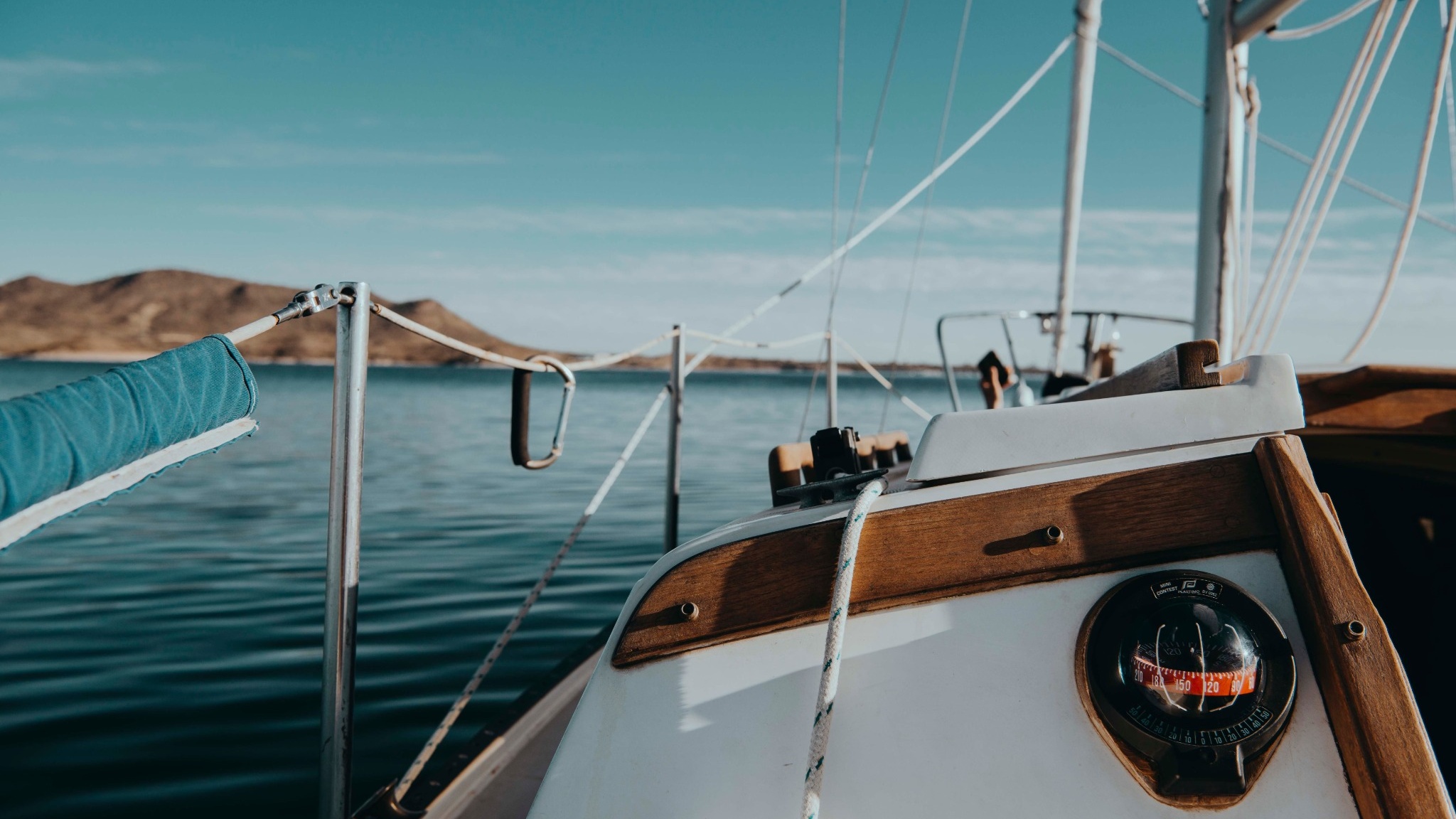
On your first boat trip, safety can sound like a gear checklist. Are the life jackets on board? Is the fire extinguisher in place? Are the flares still in date? All worth checking. So are the decisions you make before anyone unties a line.
Good boating safety habits start at the dock. These ten rules apply whether you’re heading out on a sailboat, a motorboat or a gulet you’ve hired for the day. Most of them won’t cost you anything.
1. Put your life jacket on before you need it
A life jacket in a locker can’t help you when you go overboard. According to the U.S. Coast Guard’s 2024 boating statistics, 556 people died in recreational boating accidents that year. About three-quarters of victims with a known cause of death drowned. Among drowning victims whose life jacket use was known, 87% weren’t wearing one. Those figures are from the United States, but the same risk applies on the water in Türkiye.
A swing of the boom, a slip as the boat rolls or a sudden jolt under power can put you in the water before you have time to react. Wear your life jacket the whole time you’re on deck. It’s one of the simplest things you can do to stay safe.
If wearing one all day sounds hot and bulky, look for a well-fitting model designed for regular use on deck. For children, put the life jacket on as soon as they board and keep it on until they’re back ashore.
2. Check the marine forecast twice
Look the evening before and again just before departure. In summer on the Aegean and Mediterranean coasts, the wind can pick up enough to make a calm morning feel like a different day by mid-afternoon. The view from the dock tells you what’s happening right now. The forecast helps you plan for the way back. The Turkish State Meteorological Service marine forecast gives wind direction, wind strength and wave height region by region.
Look at how those conditions are expected to change through the day, and plan your return around the roughest conditions in the forecast. For an hour-by-hour look at individual spots, Advenway’s windsurf conditions tool can also be useful when you’re planning a sail.
3. Tell someone ashore where you’re going
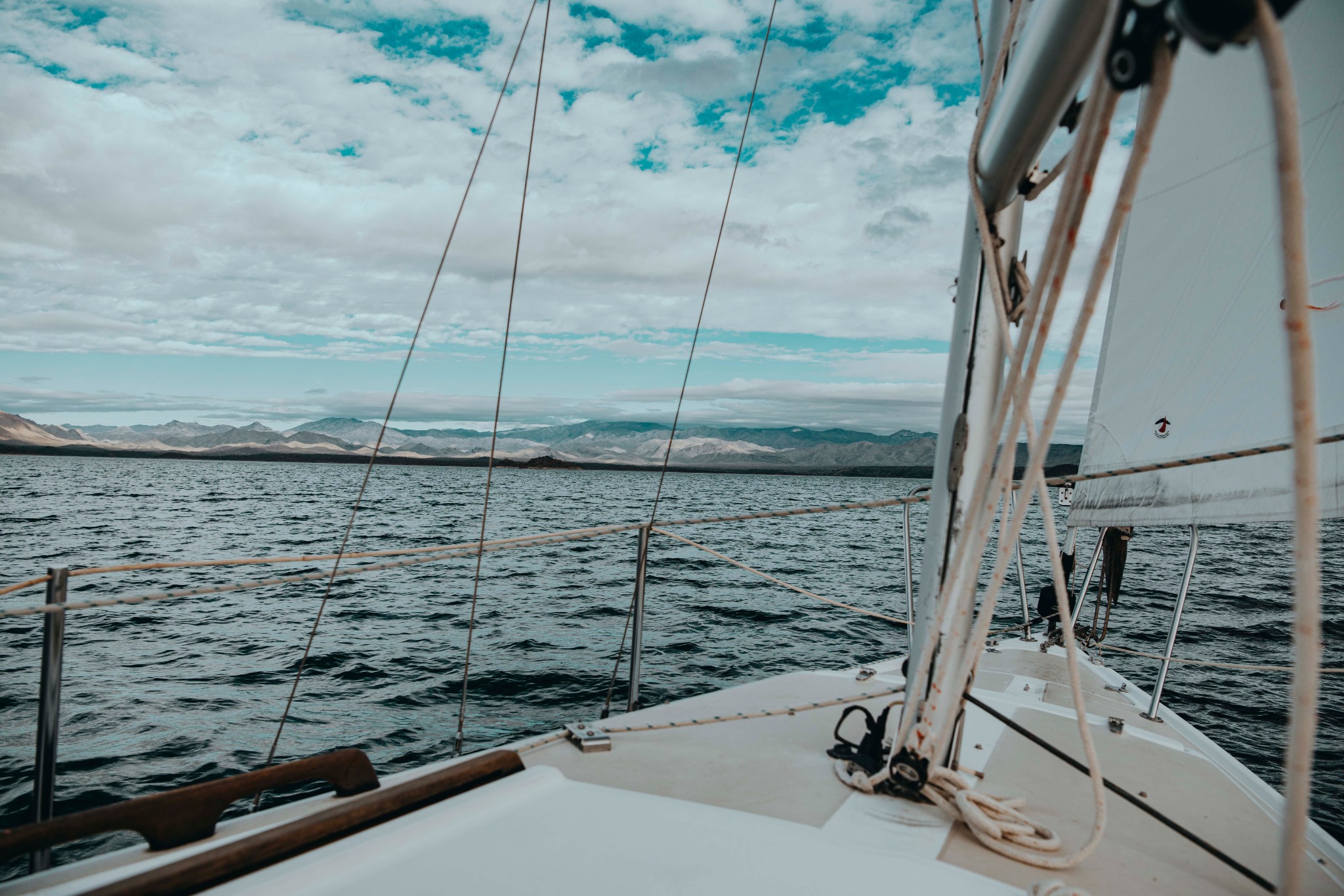
If search and rescue needs to find you, your location is one of the first things they’ll ask for. With no route or last known position, the search area can stretch over hundreds of square kilometres.
Before you leave, tell someone ashore where you’re setting out from, your rough route, when you expect to return, how many people are aboard and the boat’s name and colour. Agree on whom they should call if they haven’t heard from you by a set time. If your plans change or you’re running late, send an update. An unnecessary call is easier to deal with than a delay nobody notices.
4. Talk through everyone’s job at the dock
On a small boat, even a two-minute briefing can save time when things go wrong. Before you cast off, talk through who’ll be at the helm, who knows how to use the radio, where the first-aid kit is and how to stop the engine.
Licensing is part of the pre-departure check in Türkiye. The private-boat regulation covers boats with hull lengths from 2.5 to 24 metres and requires an Amateur Seafarer Certificate (Amatör Denizci Belgesi, or ADB) to operate them. Certificate holders under 18 may operate private boats up to 5 metres long. The Ministry of Transport and Infrastructure’s ADB guidance explains how to get one.
5. Give the boom room to move
The boom can swing across the boat surprisingly fast during a gybe, right at head height for someone sitting in the cockpit. A strike to the head can be serious.
The person at the helm should give a clear verbal warning before a manoeuvre that brings the boom across. Everyone on deck should keep their head clear. When you’re sailing with beginners, repeat the call every time. It takes practice before ducking becomes second nature.
6. Practise what to do if someone goes overboard
In choppy water, someone’s head can disappear between waves in seconds while the boat is still moving away. Assign one person to keep their eyes on the person in the water and point continuously. Give the spotter that one job while the rest of the crew handles the recovery. Our person-overboard guide covers the rest of the drill.
Water temperature matters too. Even late-summer water at 22–23°C can cool you down over time. Shivering, trouble using your hands and confusion can develop as you get colder. Our guide to wetsuits and neoprene thickness explains what cold water does to your body.
7. Monitor VHF channel 16 and keep your phone as backup
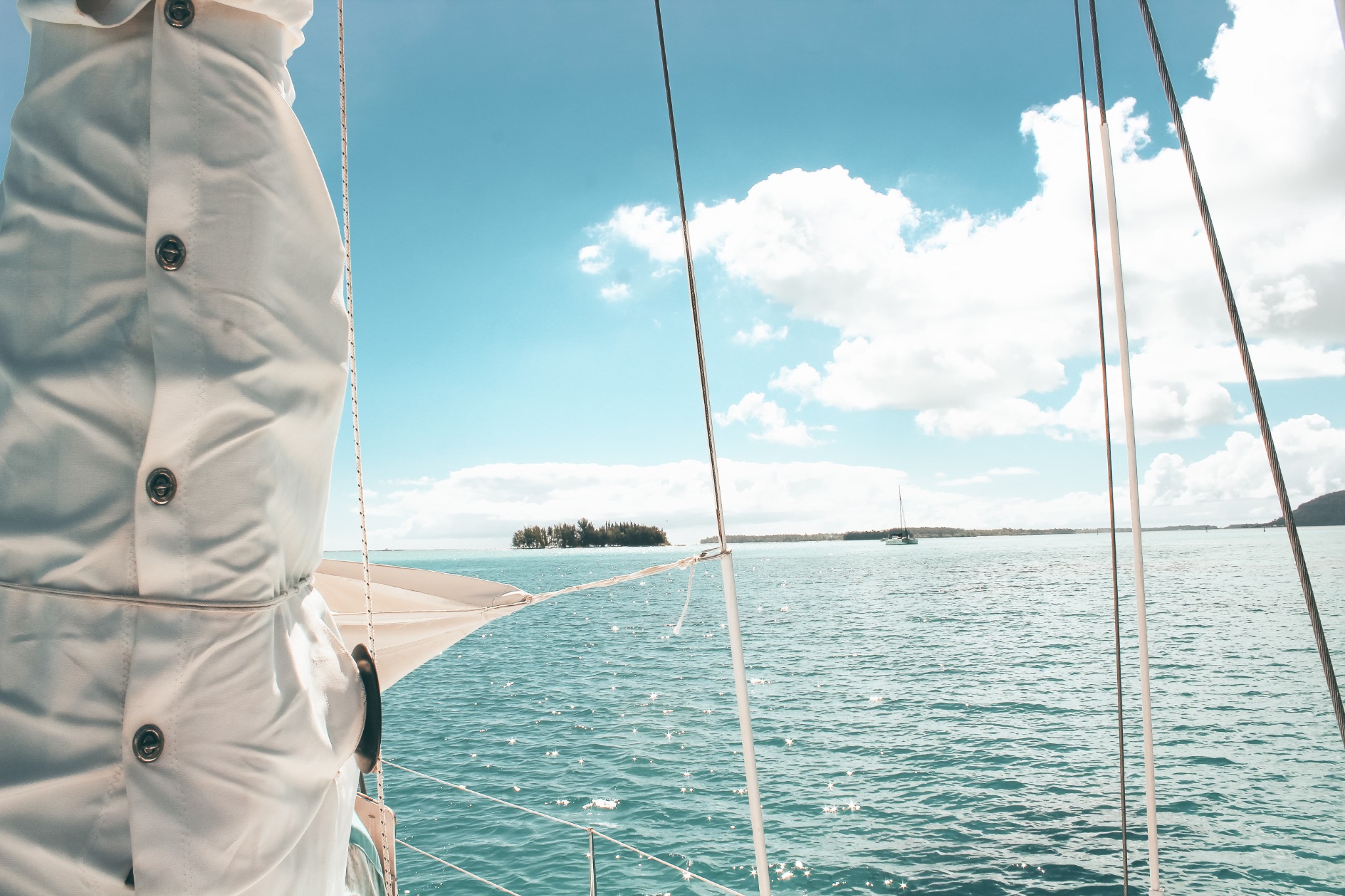
A phone can lose signal offshore or stop working if it gets wet. Marine VHF channel 16 is the international distress and calling channel, as the U.S. Coast Guard’s VHF channel guide notes. A call there can reach both coastguard stations and other boats within radio range. The boat a mile away may be able to reach you sooner than a rescue boat farther down the coast.
If you’re calling from shore in Türkiye, dial 112. The national 112 Emergency Call Centre now handles calls that used to go to the Coast Guard’s 158 line, and the Turkish Coast Guard also takes incident reports online. For routine operation of a marine VHF radio in Türkiye, check the separate Short Range Radio Operator Certificate (Kısa Mesafe Telsiz Belgesi, or KMT) requirement before departure. The Bartın Harbour Authority’s ADB and KMT guidance sets out both certificates.
8. Pack for sun and heat, even if the breeze feels cool
Sunlight reflects off the water, and the breeze can keep your skin feeling cool while you burn. You can feel fine when you board and end up with a headache or fatigue by the time you’re due to take the helm.
For a day trip, pack a wide-brimmed hat, UV-protective sunglasses, high-SPF water-resistant sunscreen and at least two litres of drinking water per person as a starting point. Reapply sunscreen during the day, including on the way back.
9. Keep the person at the helm sober
Alcohol affects balance and slows reaction time. Both matter on a moving deck, especially after hours in the sun and heat.
Decide before departure who’s taking the helm and make sure they stay completely sober throughout the trip.
10. Check your safety gear at the start of the season
Türkiye’s private-boat regulation sets out the minimum safety equipment boats must carry. Take the time to check that each item is ready to use. The day you need the torch is a bad day to find out its batteries are flat.
At the start of the season, set aside about an hour and go through the list:
- Check the expiry dates on your flares.
- Check the fire extinguisher’s pressure gauge.
- Test the torch and check the batteries.
- Check expiry dates on first-aid supplies.
- Inspect inflatable life jackets’ CO₂ cylinders and automatic activation cartridges according to the manufacturer’s instructions.
- Check the line attached to the lifebuoy.
If you’re curious about other ways to spend time on the water, our guide to finding a water sport that suits you compares sailing with other options.
Sources
- Regulation on the Equipment of Private Boats and the Qualifications of Their Operators, Official Gazette of Türkiye, 18 January 2023, issue 32077
- Türkiye’s unified 112 emergency number, Ministry of Interior
- Marine forecasts, Turkish State Meteorological Service
- Recreational Boating Statistics 2024 (COMDTPUB P16754.38), U.S. Coast Guard
- Amateur Seafarer and Short Range Radio Operator certificates, Bartın Harbour Authority
- Turkish Coast Guard Command, search and rescue and incident reporting
- Choosing and maintaining life jackets and buoyancy aids, RNLI
- Motion sickness, CDC Travelers’ Health
Frequently asked questions
Do you need a certificate to operate a private boat in Türkiye?
Yes. The Amateur Seafarer Certificate (ADB) applies to private boats with hull lengths of 2.5 to 24 metres within the scope of the regulation. Holders under 18 can operate boats up to 5 metres long. Commercial vessels require professional qualifications.
What’s the difference between a life jacket and a lifebuoy?
A life jacket is worn. Depending on its rating and design, it can help keep an unconscious person’s airway clear. A lifebuoy is thrown to someone in the water, who generally needs to be able to reach it and hold on. Both serve a purpose on board.
Should you choose an inflatable or a foam life jacket?
Inflatable models are slim and can be comfortable enough to wear all day in warm weather. They need regular checks of the CO₂ cylinder and, on automatic models, the activation cartridge. Foam models provide buoyancy without an inflation mechanism, and they still need regular inspection. For children or anyone who can’t swim, choose an approved life jacket designed for their weight and swimming ability. A suitable foam model can be a practical choice for short outings.
What should you look for in a child’s life jacket?
Start with the weight range on the label and check that the jacket fits snugly. Look for a model with head support designed to help keep the child face up, and secure the crotch strap so the jacket can’t ride up. Before heading out, check the fit in calm, shallow water with close adult supervision.
Do you need a separate certificate for marine VHF?
In Türkiye, the Short Range Radio Operator Certificate (KMT) is a separate qualification for operating a marine VHF radio. It has its own exam. If the boat has a radio, check the applicable operator requirements before you leave.
What can help with seasickness?
Look at the horizon, spend time near the middle of the boat where there’s usually less movement, and avoid sitting in an enclosed cabin for long stretches. Get some sleep the night before, avoid a heavy meal just before departure, and give your phone screen a rest on deck. If you’re considering motion-sickness medicine, follow its directions or ask a pharmacist about timing. These medicines generally work best when taken before symptoms start.
Who’s responsible for the safety equipment on a rental boat?
The rental company should hand over the boat with its safety equipment in place. Before you leave, count the life jackets and check their sizes, look at the extinguisher gauge and flare expiry dates, and confirm that the radio works. Ask the company to sort out any missing or faulty equipment while you’re still at the dock.