
What Is Wing Foiling? Why Has This Water Sport Become So Popular?

Whether you follow water sports or not, you’ve probably come across a video online recently that made you stop scrolling.
Someone is gliding across the sea, seemingly flying. They’re holding a large inflatable wing, with a board beneath their feet.
At first glance, that might not seem all that unusual. But look a little closer and you’ll notice the board is barely touching the water. That’s when the question pops up: “How does that work?”
Honestly, when I first watched these videos, I thought I was looking at some new version of kitesurfing. From a distance, they really do look similar. A little research later, I realised this was a different sport altogether. It’s called wing foiling.
Over the past few years, it has grown remarkably quickly around the world, and it’s gradually attracting more attention here in Türkiye too. So what exactly is wing foiling? Why has it become so popular? And how hard is it to get started? Let’s take a look.
What Is Wing Foiling?
Wing foiling is a water sport in which you use a handheld inflatable wing to catch the wind and move across the water.
Under your feet is a specially designed foil board. Thanks to the hydrofoil attached beneath it, the board starts to lift off the surface once you reach a certain speed.
Now picture it: a large wing in your hands, your board gliding just above the water. It does sound pretty exciting, doesn’t it?
Don’t picture yourself soaring metres into the air, though. Depending on the mast length and your speed, the board usually travels a few tens of centimetres above the water. That’s what creates the sensation of flying.
What Is a Foil?
The easiest way to understand wing foiling is to start with the foil itself. A foil is a wing-like structure attached beneath the board that operates underwater. Just as bicycle wheels reduce friction, a hydrofoil reduces resistance in the water.
Once you reach a certain speed, the hydrofoil generates lift and the board begins to rise above the surface. As a result:
- There’s less drag.
- You move more quietly.
- You can reach higher speeds.
- Waves have less of an effect on your ride.
That’s why foil technology is now being used in a range of water sports, not just wing foiling.
Is Wing Foiling the Same as Kitesurfing?
It’s perfectly understandable to mistake wing foiling for kitesurfing when you first see it. But they’re two different sports.

In kitesurfing, a large kite pulls you along, connected to you by long lines. In wing foiling, you hold the wing directly in your hands. There are no kite lines involved.
Because of this, many people feel that learning to wing foil is safer and more straightforward. Beginners in particular tend to feel more in control of their equipment.
How Is Wing Foiling Different from Windsurfing?
Windsurfing is another sport it often gets confused with. In windsurfing, the sail is attached directly to the board. In wing foiling, the wing you hold is completely separate.
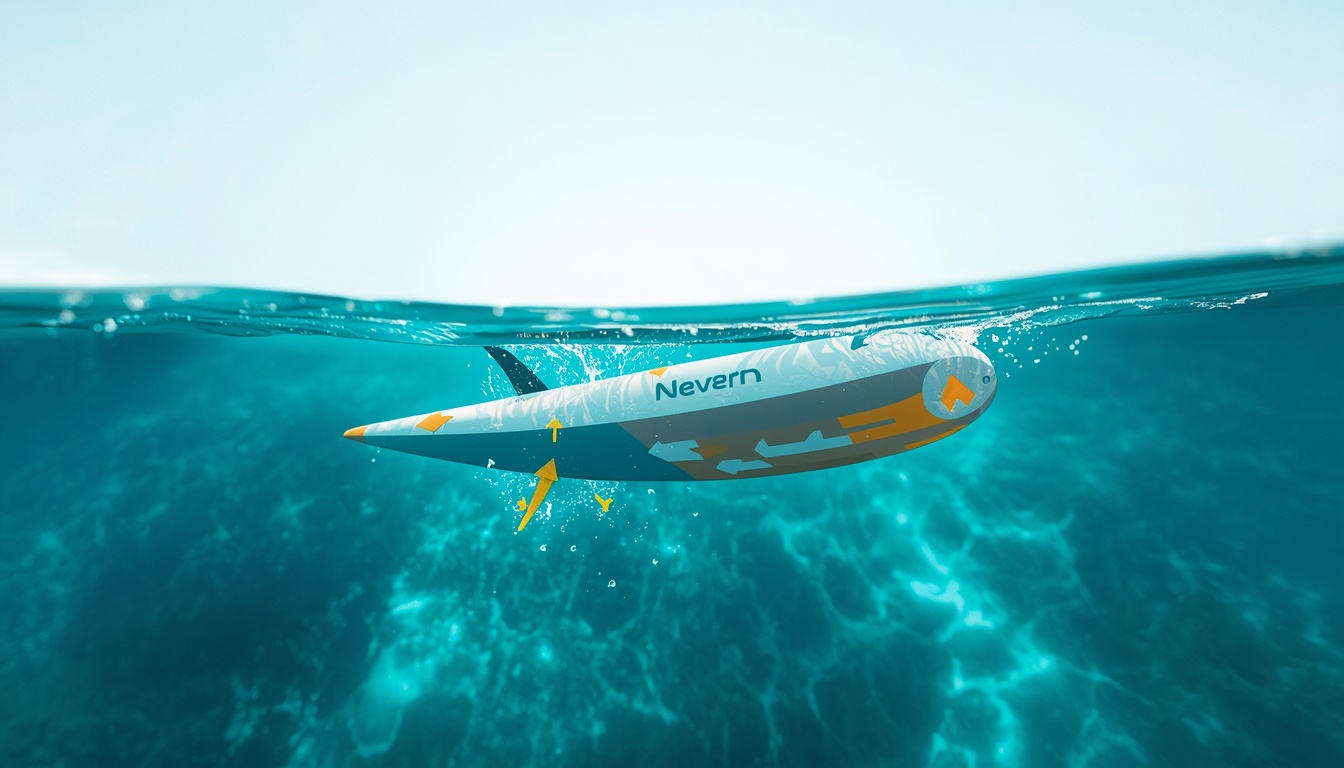
This gives you more freedom to move. The equipment is also easier to transport and set up than windsurfing gear.
Why Has Wing Foiling Become So Popular?
To me, the biggest reason is the sense of freedom it offers. Once the foil lifts the board above the surface, you move with very little drag. In interviews, many people who have tried the sport describe feeling as though they’re flying.
The second reason is the improvement in equipment. Setups that were harder to learn on in the early days have become much more user-friendly.
Third, it’s a versatile sport. You don’t have to wing foil at sea. Lakes, lagoons and plenty of other locations can work too, as long as the wind conditions are suitable.
What Equipment Do You Need for Wing Foiling?
To get started, you’ll need the following basics:
- An inflatable wing
- A foil board
- A hydrofoil
- A leash
- A life jacket
- A helmet
- A wetsuit, depending on the season
That might look like quite a shopping list at first. But every item has a purpose. For safety in particular, I’d strongly recommend keeping the helmet and life jacket firmly on that list.
Is Wing Foiling Hard to Learn?
Honestly, there’s no single answer. We all have different physical abilities and learn at different speeds. The sports you’ve done before can also make a difference.
If you’ve already tried SUP, windsurfing, kitesurfing or surfing, you may find it easier to get used to wing foiling.
With no previous experience, the early stages might take a little more patience. Then again, none of us learned to walk in a day. The important thing when learning a new sport is to enjoy the process. After all, you’re trying to do several things at once:
- Keep your balance
- Control the wing
- Read the wind
- Manage the foil
According to experiences shared online by people who practise the sport, many learners who take regular lessons can start making basic progress within a few days.
Who Might Enjoy Wing Foiling?
I think wing foiling could be a good fit for:
- Anyone who wants to learn a new water sport
- People interested in wind sports
- Those who enjoy a little adrenaline
- Fans of sports that involve balance
- SUP paddlers
- Anyone with a windsurfing or kitesurfing background
Who Might It Not Suit?
Every sport has its audience. If you don’t enjoy windy weather or carrying bulky equipment, wing foiling might not quite be what you’re looking for.
It’s also worth remembering that the early stages take patience. If you’re looking for a gentler introduction that doesn’t depend on the wind, have a look at my comparison of SUP, kayaking and surfing.
Is Wing Foiling Expensive?
There’s no point pretending otherwise: yes. Wing foiling equipment costs more than the gear for many other water sports, largely because of the hydrofoil system. But you don’t have to buy everything when you first start. In fact, I don’t think you should.
Rent equipment from a training centre first. Find out whether you actually enjoy the sport. If you decide it’s something you want to keep doing regularly, investing in your own setup will make much more sense.
Can You Go Wing Foiling in Türkiye?
Absolutely. In recent years, more centres have started offering wing foiling lessons, particularly along windier stretches of coastline. Places often highlighted as especially suitable include:
- Alaçatı
- Gökçeada
- Urla
- Akyaka
I suspect we’ll be seeing more wing foiling centres in these areas, and in other parts of Türkiye, over the coming years.
Would I Try Wing Foiling?
Honestly, it’s already on my list. I’ve even looked into where I could take lessons.
I had other plans for summer 2026, so I’ve put wing foiling off until next year.
If everything goes to plan, I’d like to write a follow-up once I’ve started, including my own experiences. I think articles like this become much more useful when there’s some first-hand experience behind them.
Is Wing Foiling Worth Trying?
Wing foiling is one of the fastest-growing water sports of recent years, and there’s more behind that growth than how good it looks on camera.
The feeling of gliding above the water, the way it brings together some of the most enjoyable parts of different wind sports, and improvements in equipment have all played a part.
Of course, it won’t be the right sport for everyone. But if you’re interested in water sports, I think it’s worth trying at least once. You might discover exactly what you’ve been looking for. Or you might come away thinking, “Well, that one’s not for me.” Either way, you won’t know until you try.
If wing foiling feels a little too ambitious, the Find the Right Sport for Me quiz uses seven questions to suggest sports that suit your preferences and show you where to get started in your province.