
Water Sports Guide: Which Water Sport Is Right for You?
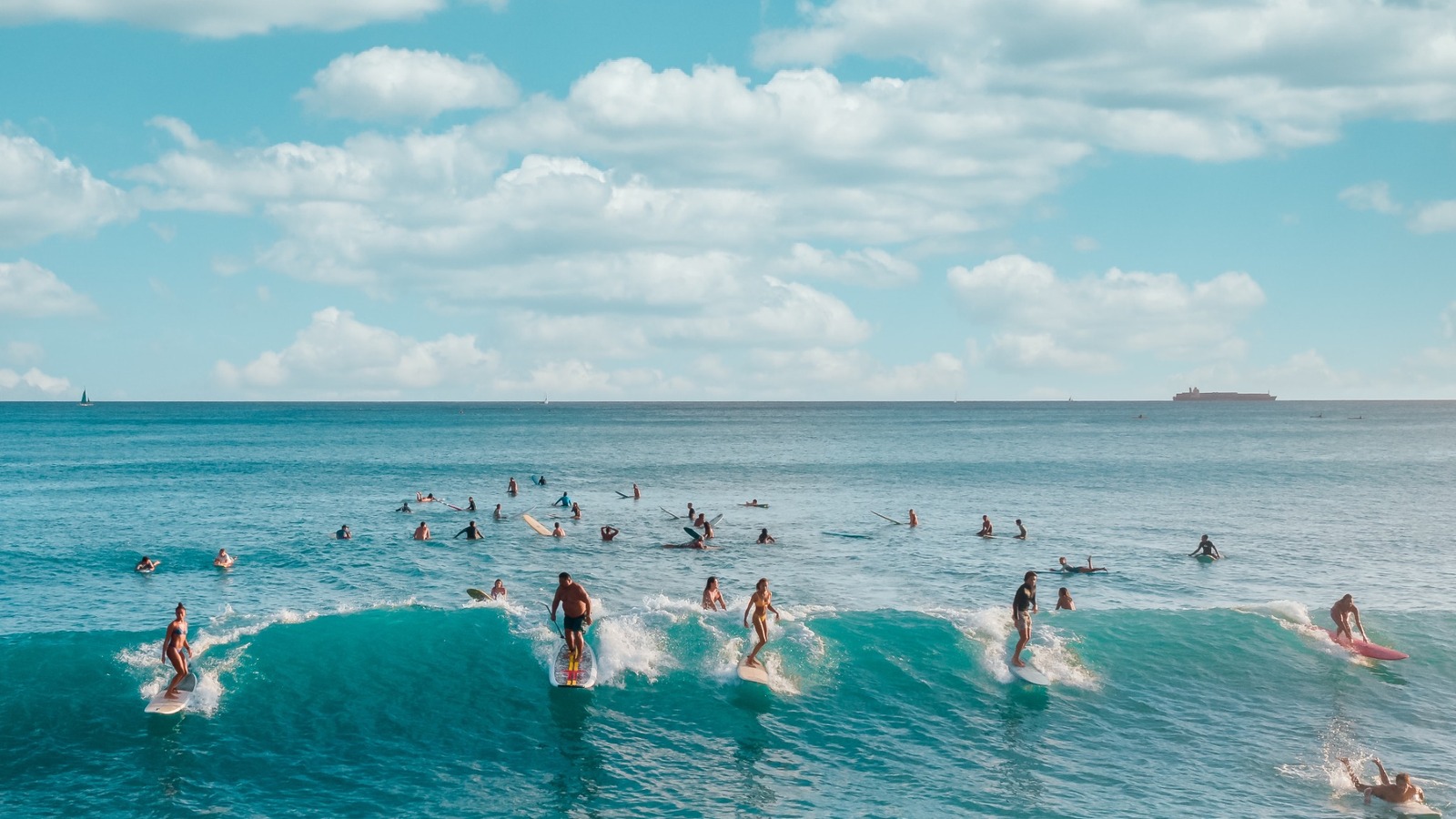
If you’ve ever looked out at the sea in summer and thought, “Maybe I should try a water sport,” you’re not alone. When I walk along the waterfront in Caddebostan and see people sailing, I often wonder whether I should get back into it. And when I spot rowers during an early morning walk, I can’t help feeling a little envious. If you live in a coastal city, these thoughts may cross your mind quite often too.
From the shore, water sports can look fairly similar. But each offers a different experience. Some are about slowing down and spending time in nature. Others revolve around adrenaline, balance and technical skills.
Some water sports are enjoyable from the very first lesson. Others may begin with frustration, tired muscles and even a few aches. Don’t let that put you off. The satisfaction and excitement that come with making progress can be something special. One of the main things you’ll need along the way is patience.
Choosing the right water sport means looking beyond whichever one seems the most fun. Your swimming ability, fitness, local conditions and what you want from the experience all matter.
Fitness and swimming skills can improve over time. But you can’t change whether your local area gets reliable waves or wind. In this guide, we’ll look at the most popular water sports one by one to help you work out which might suit you.
What Should You Consider When Choosing a Water Sport?
Asking yourself a few simple questions before getting started can make the decision easier.
Are You Looking for Calm or Adrenaline?
Water sports don’t all have to be fast or demanding. SUP, canoeing and swimming in calm conditions can offer a gentler, more peaceful way to spend time in nature.
Kitesurfing, wakeboarding, surfing and rafting put more emphasis on speed, balance and adrenaline. Falling into the water is part of the experience, and minor injuries can happen too.
This is a useful point to pause and think about what you enjoy. If you like challenging yourself, learning new moves and developing technical skills, a more demanding sport may appeal to you.
If you’re thinking, “I just want to spend time on the water, get away from the daily rush and clear my head,” a calmer option may be a better fit.
How Comfortable Are You With Swimming?
You don’t need to be a competitive swimmer for every water sport. Life jackets, appropriate leashes and other safety equipment help make many activities safer. Even so, staying calm if you fall in, swimming a short distance and keeping yourself afloat are valuable abilities. Swimming skills are particularly important for open-water swimming, surfing, freediving and kitesurfing.
If you don’t feel confident in the water, swimming lessons are a good place to start. Another option is to choose supervised beginner activities in shallow, sheltered water. My advice would be to develop basic swimming skills before making any water sport a regular part of your life.
Will You Practise Regularly or Just Try It on Holiday?
Some water sports work well as a one-day experience. Joining a canoe tour or hiring a SUP for a couple of hours are good examples.
Others need regular practice. Surfing, kitesurfing, wing foiling, rowing and sailing fall into this group.
If you only have one week of holiday a year to spend on them, progress may take a while. Say you want to learn kitesurfing but can only practise for a week each year. By the time your next holiday comes around, you may have forgotten a fair amount of what you learned. The first few days might be spent getting comfortable with the basics again.
Being realistic about how much time you can give a sport will help you enjoy it more. It also makes it easier to plan for lessons and equipment costs.
Do You Have Suitable Conditions Nearby?
Your enthusiasm matters, but so do the conditions where you live.
Surfing needs suitable waves. Kitesurfing and windsurfing need reliable wind. Diving requires access to training centres and appropriate dive sites. SUP, canoeing, rowing and open-water swimming can be possible in a wider range of places when the weather and water conditions are suitable. Naturally, someone living in Istanbul may have different options for regular practice from someone on the Aegean coast.
Who Is SUP Right For?
Stand-up paddleboarding, or SUP, has become increasingly popular and is one of the more accessible ways to get into water sports. You stand on a wide board and move through the water using a single-bladed paddle.
Struggling with balance at first is completely normal. One thing that makes a real difference is choosing the right board. A wide, stable beginner board makes learning easier. You can start by paddling on your knees and stand up once you feel more comfortable.
SUP is often enjoyed on calm seas and lakes. Rather than big waves and speed, it offers a more controlled experience.
SUP could suit you if you:
- Want a calm, relaxing activity.
- Enjoy spending plenty of time on the water.
- Want to work on balance and core strength.
- Would like something you can do with friends or, as your skills develop, independently.
- Prefer a gentler introduction to water sports.
You won’t necessarily spend the whole session falling in. But wind direction and strength matter. Thinking about the wind before paddling away from shore can make the return easier. Otherwise, getting back may be much harder than you expected.
Beginners should start in calm conditions, close to shore, with an appropriate leash for the environment.
Who Are Canoeing and Sea Kayaking Right For?
Canoeing and sea kayaking are lovely options if you want to cover distance on the water and explore your surroundings.
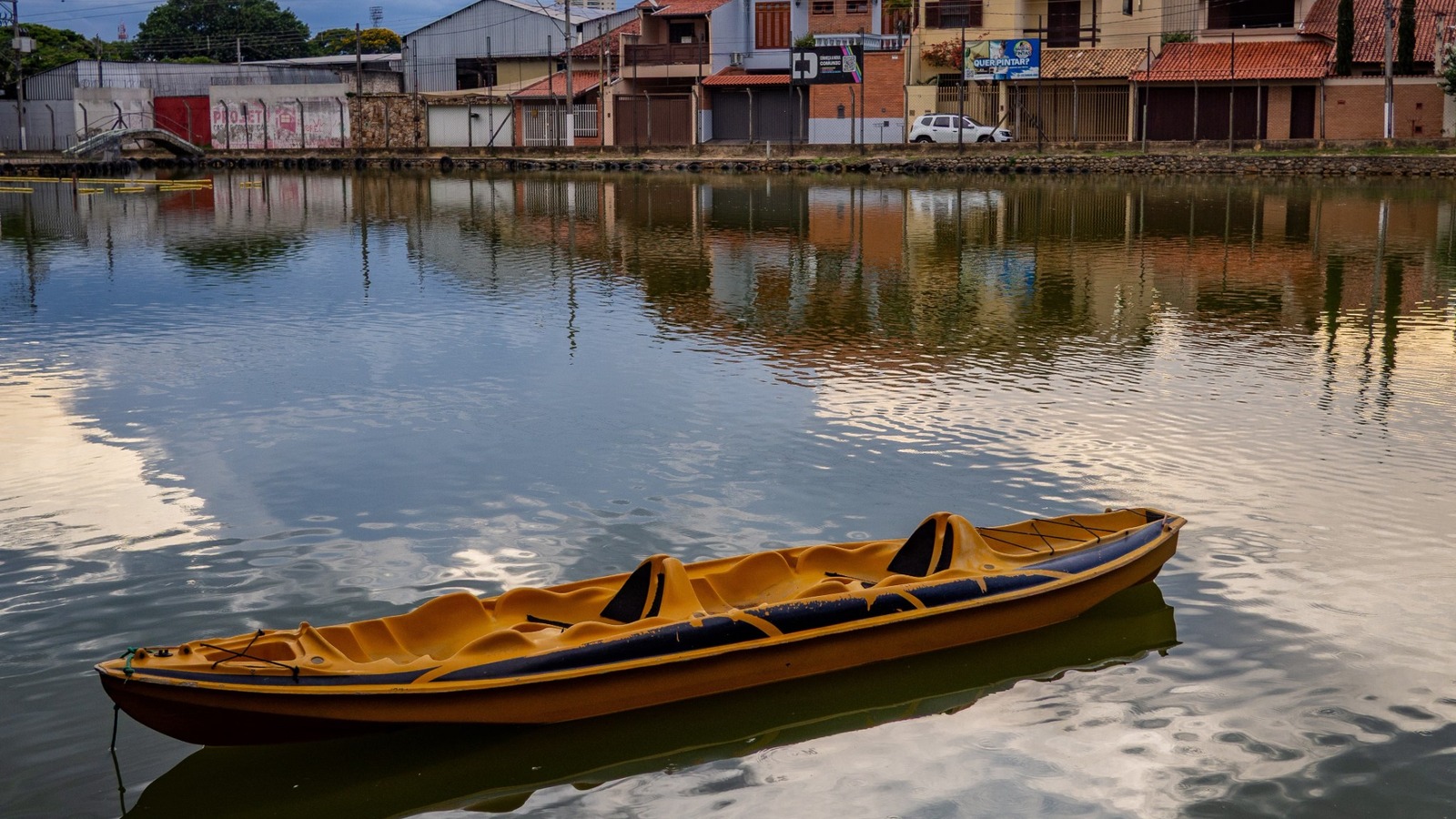
Unlike SUP, you paddle while seated, which many people find easier for balance. On the other hand, paddling for a long time can give your shoulders, back and core quite a workout.
Paddling tours are a wonderful way to explore bays, lakes, rivers and coastlines. Alongside single-person craft, tandem options make them appealing for couples and groups of friends too.
Canoeing or kayaking could suit you if you:
- Want to travel longer distances on the water.
- Feel a little unsure about balancing on a board.
- Enjoy nature and exploring new places.
- Would like the option of sharing the activity with a partner.
- Prefer an activity where the basics don’t take too long to learn.
Paddling is often seen as an accessible starting point. But open sea, wind and currents can change the experience dramatically. Before heading away from shore, check the weather, wind and, where possible, local current conditions.
Who Is Rowing Right For?
It’s easy to confuse rowing with canoeing, but the equipment and technique are quite different.
In a canoe or kayak, you generally face the direction you’re travelling. In rowing, you usually face backwards. The oars are also attached to the boat through oarlocks rather than held completely free like a paddle. Rowing is a full-body endurance sport in which the legs, back, arms and core work in a particular sequence.
From the outside, it can look as though the arms do all the work. In fact, a substantial part of the power comes from the legs. That surprised me when I first tried it too.
One of the nice things about rowing is the choice between going out in a single and rowing with a crew in a double, pair, four or eight.
In crew boats, everyone needs to move together in the same rhythm. Coordination matters alongside fitness. Rowing with friends and encouraging each other can add a lot to the enjoyment.
The first lessons focus less on speed and more on getting into the boat safely, holding the oars correctly, staying balanced and learning the basic stroke sequence. As the movement becomes more familiar, you can work on rhythm and endurance over longer distances.
Rowing could suit you if you:
- Want a full-body endurance sport.
- Enjoy learning technical movements step by step.
- Have access to a club or facility where you can train regularly.
- Want the choice of individual or team training.
- Like the idea of being on the water while doing something physically demanding.
If you’re worried about falling in, the good news is that capsizing isn’t an everyday part of rowing. Racing boats are narrow, though, so balancing can feel tricky at first. Beginners generally learn in more stable training boats with a coach.
Even if falling in isn’t common, many clubs consider swimming ability an important safety requirement. As with any water sport, following your instructor’s guidance and paying attention to conditions matters.
Rowing on the water and using a rowing machine share the same basic movement sequence. But exercising on a stationary machine is a different experience from managing a boat’s balance, direction and rhythm on the water.
Who Is Open-Water Swimming Right For?
Swimming in a pool and swimming in the sea are different experiences. In open water, there are no lane markings, walls or consistent pool conditions. Waves, currents, visibility and water temperature can all change. Turkey’s well-known Bosphorus Cross-Continental Swimming Race, held on 23 August in the edition mentioned here, is a good example of why understanding currents matters.
That variability makes open-water swimming both freeing and technically challenging. For people with a regular swimming background, it can build endurance, work the whole body and offer a welcome mental break. But navigating in the sea, adjusting your breathing to waves and swimming continuously for longer periods are skills in their own right.
Open-water swimming could suit you if you:
- Feel confident in your swimming technique.
- Want an endurance sport.
- Are looking for a low-impact alternative to running and cycling.
- Are considering training for a triathlon.
- Prefer a water sport with relatively modest equipment needs.
Swimming with a group or with appropriate support is safer than going alone. A brightly coloured cap and an open-water swim buoy can also help improve your visibility.
Who Is Surfing Right For?
Ask people to name a water sport, and surfing will probably be one of the first answers. But behind those few seconds of riding a wave is a long learning process.
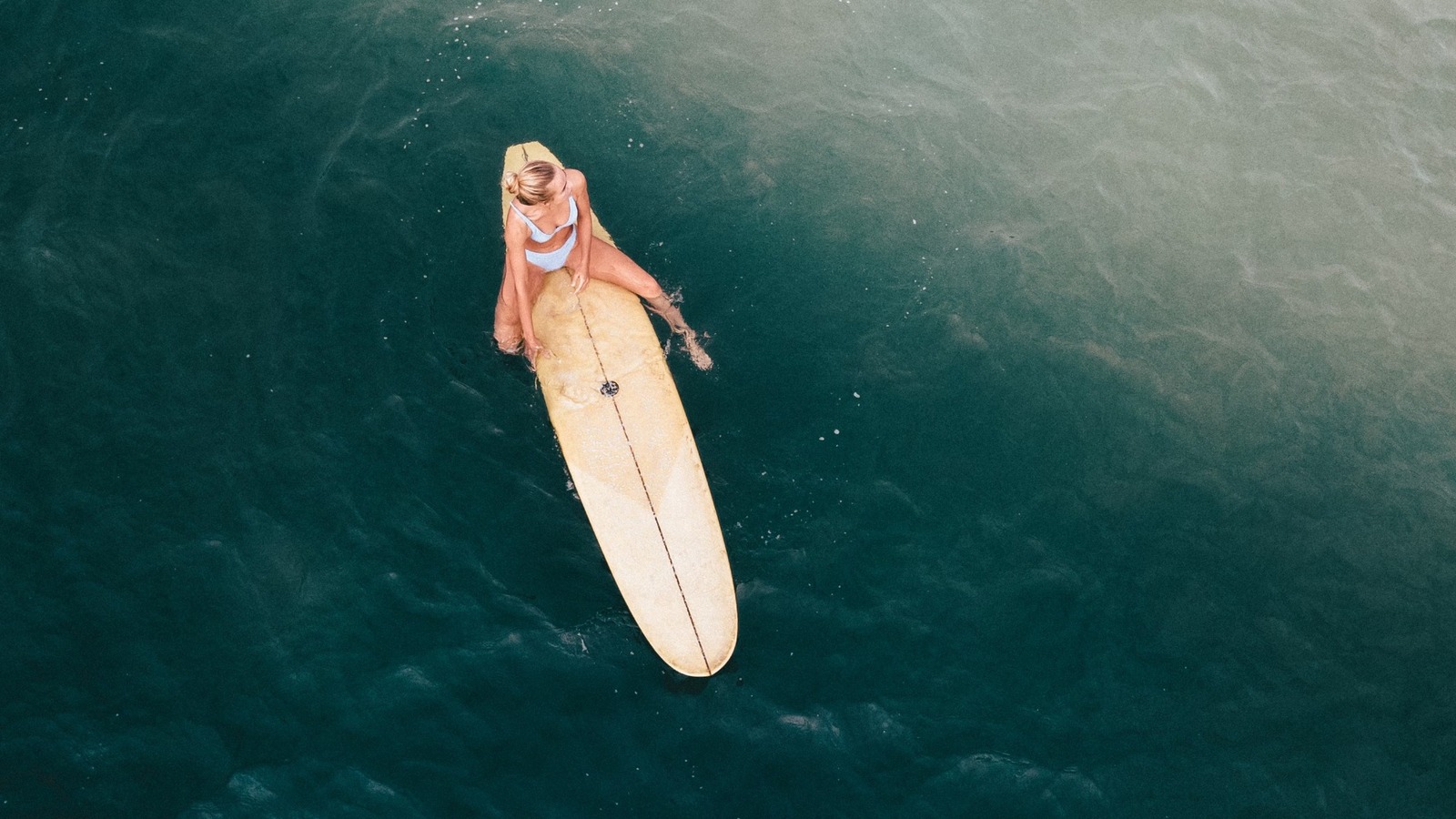
Surfers spend a large part of their time paddling into position. Reading waves and moving at the right moment matter a great deal. Standing up is only one part of it.
There are places to surf in Turkey, but suitable waves aren’t always consistent. Lessons and practice sessions are therefore often planned around forecasts. Follow local surf schools on social media, and you’ll notice them sharing wave updates, especially ahead of weekends.
When you book a lesson, the options may depend on the forecast too. A fixed plan such as “I’ll definitely have a lesson on Monday from 8 to 9” won’t always be possible. The day and time may need to follow the conditions.
Surfing could suit you if you:
- Don’t mind falling and trying again.
- Have patience.
- Enjoy sports that involve balance and coordination.
- Want to learn how to read sea conditions.
- See the sport as something that could become part of your lifestyle.
Don’t expect to ride long waves like a professional in your first lessons. Learning your position on the board, paddling and standing up in whitewater is plenty to begin with. It may not feel as easy as it looks in videos, so give yourself time. Catching your first proper wave can make that effort feel worthwhile.
Who Is Kitesurfing Right For?
Kitesurfing uses the pull of a kite to move you across the water on a board. It’s a sport where speed and technical skills stand out, and it looks impressive when done well. But kite handling, wind knowledge and safety procedures make professional instruction essential.
You may come across people online who say they’re trying to learn from videos alone. That isn’t a safe way to begin. Kitesurfing equipment can also be expensive compared with many other sports. Videos can help you develop your technique after proper training, but I’d strongly recommend starting with a qualified instructor and a reputable school.
Your first lessons may not involve riding a board straight away. You’ll first learn to control the kite on land or in suitable shallow water, use the safety system and body-drag through the water. The wind and the kite’s powerful pull are exactly why instruction matters so much.
The jumps and tricks you can learn over time are another part of kitesurfing’s appeal.
Kitesurfing could suit you if you:
- Want speed and adrenaline.
- Enjoy learning technical details.
- Can make time for regular lessons and practice.
- Have some flexibility to plan around wind conditions.
- Don’t mind falling in and getting wet.
The learning curve is steeper than for SUP or canoeing. You’ll also need several pieces of equipment, including a kite, control bar, board, harness and wetsuit. At the beginning, lessons and rental equipment make more sense than buying your own setup.
Who Is Windsurfing Right For?
Windsurfing is a well-established water sport that uses a sail attached to a board. Rather than controlling a separate kite as in kitesurfing, you handle the sail directly. Balance, wind awareness and sail control are all important.
With a wide board and a small sail, it’s possible to start making progress at a basic level. Building speed, turning well and staying in control in stronger wind take time.
Windsurfing could suit you if you:
- Are interested in sailing.
- Enjoy board sports.
- Like the idea of using the wind to move.
- Enjoy a technical learning process with gradual progress.
For some people, setting up the equipment and carrying it to the water can feel almost as tiring as the sport itself. Starting at a centre that rents out equipment makes things much easier.
Later, you can buy your own kit or use equipment storage offered by some schools. Think of it a little like a tyre shop storing your winter tyres for you: the equipment stays there until you need it.
Who Is Wing Foiling Right For?
Wing foiling has grown in popularity both in Turkey and around the world. You hold an inflatable wing while a hydrofoil beneath the board lifts it above the water once you reach enough speed.
It can look calm and effortless from the shore, but the beginning isn’t quite so simple. You need to control the wing, balance on the board and manage the foil’s angle at the same time. Previous experience with windsurfing, kitesurfing, SUP or surfing may help some of those skills feel more familiar.
Wing foiling could suit you if you:
- Enjoy trying new, technical sports.
- Feel confident working on your balance.
- Have somewhere suitable to practise regularly.
- Don’t mind falling in frequently at the beginning.
- Are ready for a longer learning process.
Wing foiling can be your first water sport. But if you have no experience with boards or wind sports, expect learning to take a little longer.
Who Is Sailing Right For?
Sailing isn’t all about physical strength. You need to read the wind, understand how the boat responds and notice changes on the water.
Although some types of boat are sailed solo, many adults begin on crewed boats. That makes communication and teamwork part of the sport too.
Sailing could suit you if you:
- Enjoy strategy and technical knowledge.
- Like working as part of a team.
- Want to spend longer periods on the sea.
- Value control and learning more than simply chasing speed.
If you’d like to try sailing but private lessons seem beyond your budget, don’t worry. You don’t need to bring a group of friends with you.
Schools may organise group courses by bringing together people who want to learn. You get to develop sailing skills, meet new people and work on coordination and teamwork along the way.
And no, nobody expects you to buy a sailing boat as soon as you sign up. The course provides the boat used during training.
You don’t necessarily need to buy one afterwards either. Some centres offer further skills sessions and boat hire, giving you ways to keep sailing after your course.
Who Is Scuba Diving Right For?
Scuba diving is for people who’d rather explore beneath the surface than travel across it.
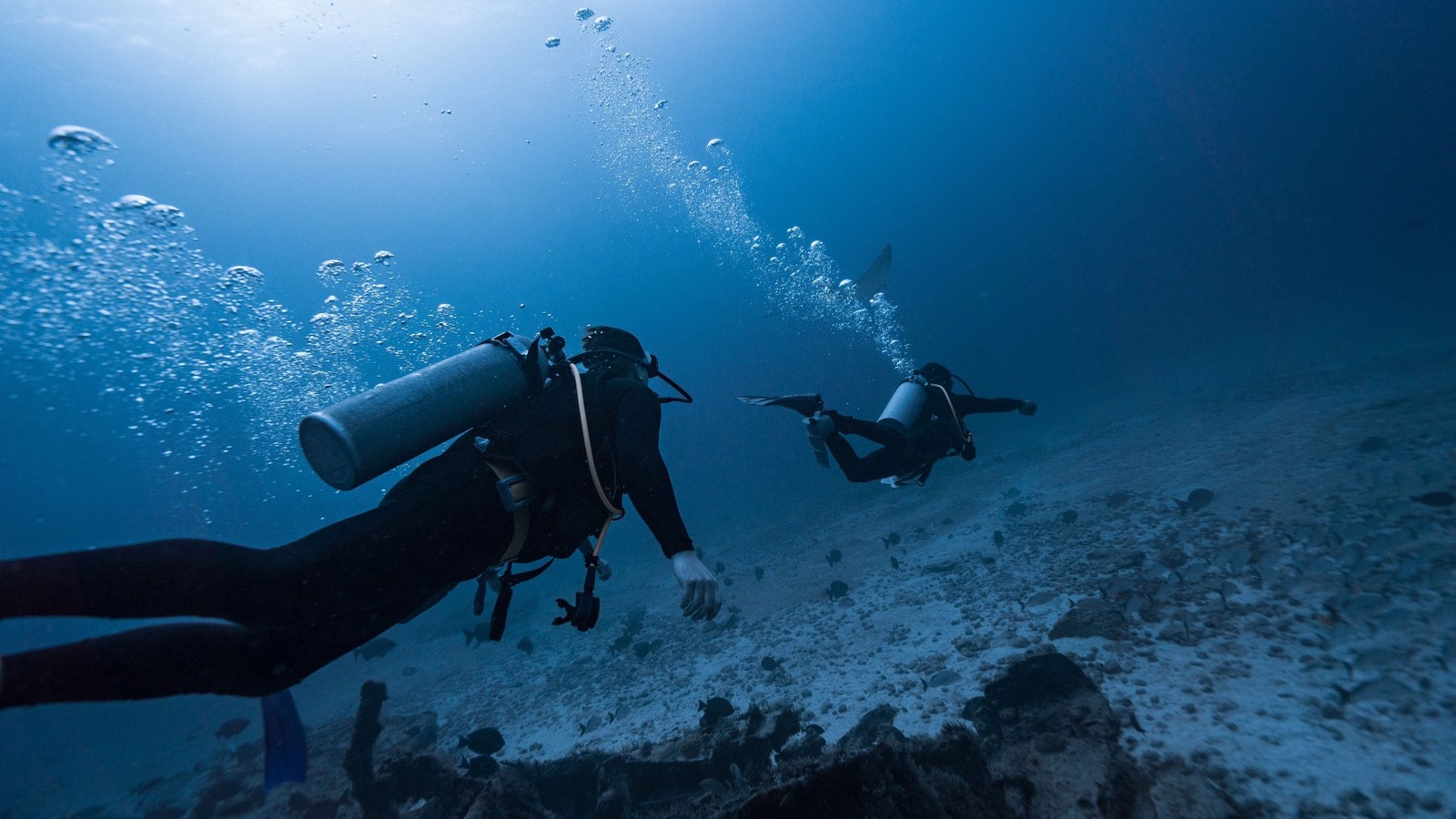
Fish, reefs, wrecks and underwater formations are all part of the experience.
In Turkey, training is provided through authorised centres registered with the Turkish Underwater Sports Federation. Antalya, Muğla and Istanbul have particularly large concentrations of centres. If wreck diving interests you, Çanakkale stands out: the Gallipoli Historical Underwater Park includes First World War wrecks open to diving.
You don’t have to be an exceptionally strong swimmer to try scuba diving, but staying calm underwater is important. You’ll need to use the equipment correctly, control your breathing and follow your instructor’s directions.
Scuba diving could suit you if you:
- Are curious about the underwater world.
- Prefer exploring to speed.
- Are comfortable following rules and safety procedures.
- Don’t experience intense panic at the thought of depth or enclosed surroundings.
Choose a qualified instructor and a reputable training centre. Turkey has many dive centres working with different training systems, along with plenty of dive sites, which gives beginners a good range of options.
How a certification is recognised can depend on the training system and issuing organisation. If you plan to dive abroad, choosing an internationally recognised training system can be useful.
Who Is Freediving Right For?
Freediving means going underwater on a held breath, without scuba equipment. From the outside, it may seem to be all about how long you can hold your breath. In reality, technique, relaxation and safety knowledge are central to it.
Going deeper isn’t always the goal. Breathing technique, calmness and controlled movement underwater are the foundations.
Freediving could suit you if you:
- Are interested in breathing techniques and mental focus.
- Can remain calm underwater.
- Value personal development more than competition.
- Are prepared to train with a properly trained buddy in suitable conditions.
Never freedive alone. Loss of consciousness can happen even in shallow water, which makes proper instruction and a trained buddy essential.
Who Is Rafting Right For?
Rafting is a team activity on rivers and can be a great one-day experience.
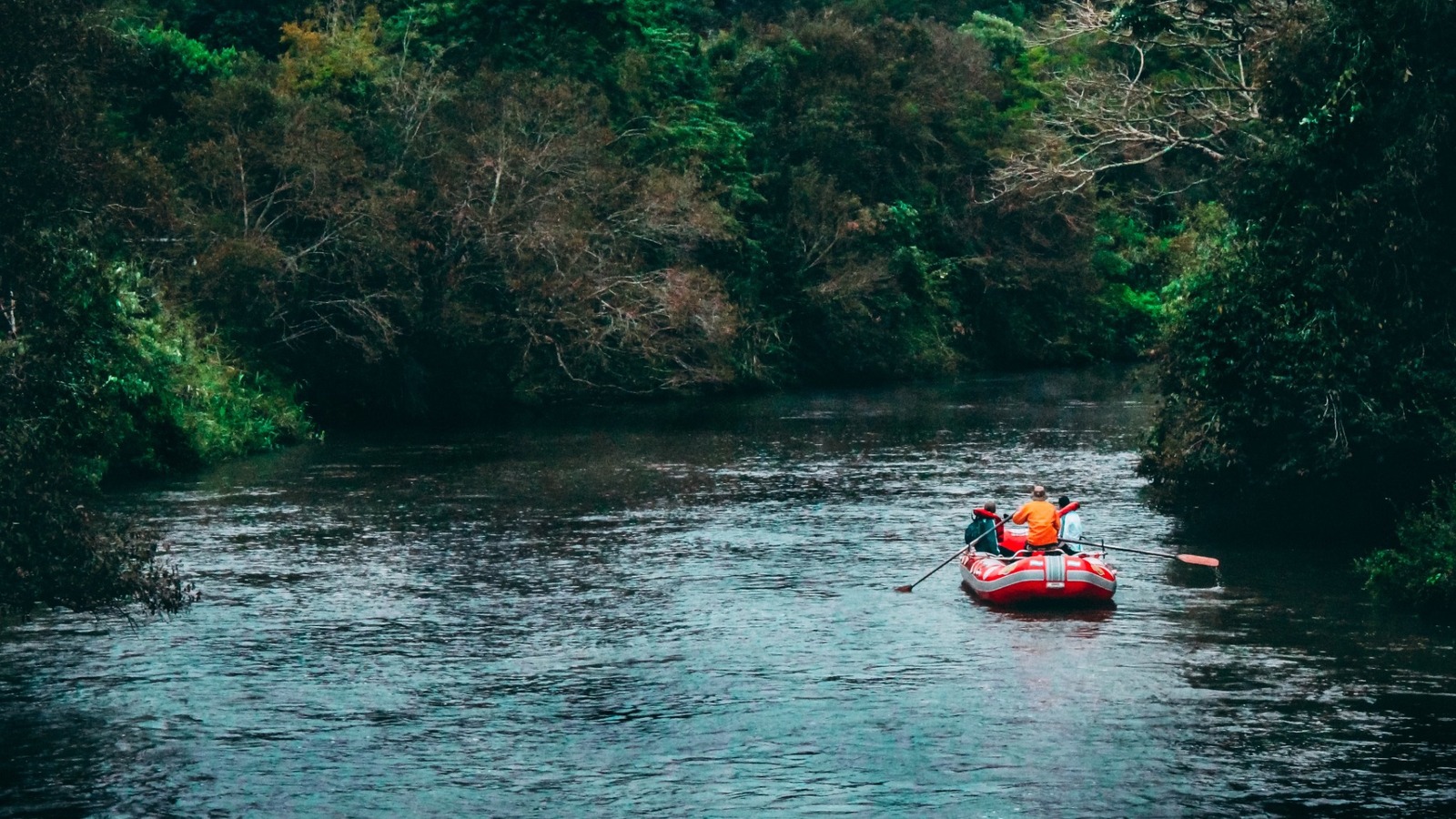
Everyone paddles together in the raft and follows the guide’s instructions. Depending on the route’s difficulty, the trip may range from gentle sections to powerful rapids.
Rafting could suit you if you:
- Enjoy group activities.
- Want some adrenaline without committing to a lengthy training course.
- Are looking for something to try on holiday.
- Don’t mind getting wet or moving through lively water.
Choosing the right operator matters alongside the experience itself. Look for professional guides and properly provided equipment, including helmets and life jackets.
For many people, rafting is an occasional outing rather than a weekly sport. But joining a club or a group that organises regular trips can give you more opportunities to do it.
Who Are Wakeboarding and Water Skiing Right For?
In wakeboarding and water skiing, a boat or cable system pulls you across the water. The aim is to stay balanced on a board or skis as you move. Beginners in water skiing usually start on two separate skis. In wakeboarding, both feet are secured to one board, a little like a snowboard.
Wakeboarding may therefore feel more familiar if you’ve tried other board sports. Getting up can be difficult during your first attempts, but once you learn the right position, progress can come fairly quickly.
Wakeboarding or water skiing could suit you if you:
- Enjoy fast, dynamic sports.
- Are interested in board sports.
- Want an exciting experience without a long wait.
- Would like to develop coordination between your arms and legs.
To practise regularly, you’ll need access to a boat or cable facility, so these sports aren’t equally available everywhere. Holiday destinations often offer a chance to try them. If you want to keep going, check whether there’s a cable park or training centre near home.
How Can You Work Out Which Water Sport Suits You?
Try to look beyond how a sport appears in photos and videos. These general matches may help you narrow things down.
If You Want a Calm, Accessible Start
SUP, canoeing or swimming in calm conditions could be good starting points. The basics are relatively accessible, without a lengthy training programme to get going.
Inflatable SUPs and canoes have also made transporting and storing equipment easier. Once you’re ready for your own equipment and have the necessary skills, you don’t have to rely on a rental operator every time.
If You Want to Build Endurance
Open-water swimming, rowing, longer-distance canoeing and SUP are worth considering. Alongside cardiovascular endurance, they work the legs, shoulders, back and core to different degrees.
If You Want Speed and Adrenaline
Kitesurfing, wakeboarding, rafting, windsurfing and surfing offer plenty of excitement. As speed increases, proper training, safety equipment and suitable conditions become even more important.
If You Want a Technical Sport to Grow Into
Surfing, rowing, kitesurfing, windsurfing, wing foiling, sailing and freediving all leave plenty of room for long-term progress. A few lessons may introduce the basics, but becoming genuinely comfortable and controlled takes regular practice.
If You Want to Explore Underwater
Scuba diving or freediving may be a better fit. Scuba equipment lets you stay underwater longer. Freediving offers a different experience, with its focus on breath control, simpler equipment and mental calm.
Should You Buy Equipment When You Start?
When a sport catches our interest, looking up equipment prices is almost automatic. That’s understandable. We want an idea of the budget we might need if we decide to keep going.
The important distinction is between researching prices and buying everything before you’ve even started.
Buying a full setup before your first lesson can become an unnecessary expense if you discover you don’t enjoy the sport. You may not be able to resell it for what you paid either. When choosing a SUP, surfboard, wetsuit or kitesurfing equipment, your weight, height, experience and intended conditions all matter.
One mistake beginners make is choosing advanced equipment because it’s smaller or lighter. Equipment that doesn’t suit your level can make learning unnecessarily difficult. The right kit needs to match both your skills and the conditions.
For sports such as rowing and sailing, which rely on club or facility infrastructure, buying your own boat or a complete setup isn’t necessary at the beginning anyway.
Start with equipment from a teaching centre or reputable rental operator. After a few sessions, if you decide to continue regularly, you can choose your own kit. Personal items such as swimwear, sun protection, water shoes or a wetsuit may make sense to buy gradually.
Safety Should Come First in Every Water Sport
Enjoyment and risk often share the same stretch of water. A place that looks welcoming in calm weather can become challenging quickly if the wind or current changes.
With that in mind:
- Check the weather and wind forecast.
- Don’t head out alone.
- Share your planned route with someone you trust.
- Use life jackets, helmets and appropriate leashes where required for the activity.
- Don’t try to teach yourself sports that need professional instruction.
- Don’t judge water temperature by air temperature alone.
- Stay out of conditions beyond your ability.
- Make sure your equipment is suitable for the sport you’re doing.
Leash use depends on the sport and the environment. A suitable SUP leash can be important for keeping you connected to your board. But the wrong type of leash in a fast-flowing river can be dangerous.
Using safety equipment matters, but so does using the right equipment in the right place and in the right way.
Which Water Sport Is Best?
There’s no single answer. Different people enjoy different sports, and what appeals to you can change at different points in life.
During a stressful period, you might want to paddle quietly across a sheltered bay on a SUP. At another time, rafting or kitesurfing may catch your attention. Ask yourself what you want from the sport and which conditions you can realistically access.
For a gentler start, consider SUP or canoeing. For a technical, full-body endurance sport, rowing may suit you. If fitness is your focus, open-water swimming is worth a look. Kitesurfing and windsurfing offer speed and technical challenges; diving opens up the underwater world; surfing brings you into the waves. If teamwork appeals to you, sailing, crew rowing or rafting might be especially enjoyable.
If you can’t decide, try a few different activities through beginner lessons and rental equipment. Watching a water sport from the shore and experiencing it yourself can feel very different.
Maybe you’ll love paddling a SUP through a quiet bay. Perhaps catching your first wave will get you hooked on surfing. Or you might find the rhythm of a rowing boat far more satisfying than you expected. Whatever you choose, starting with small steps and respecting the conditions are essential parts of the experience.
I’d like to add one personal observation, too.
Some of these sports have wonderful communities. Meeting people who share your curiosity, or who already love the sport, at a school or rental centre adds something special. I particularly enjoy seeing those communities grow around sports that are still relatively small in Turkey but are gradually finding a wider audience.
Still unsure? Our Find the Right Sport for You quiz uses seven questions to suggest sports that match your preferences and places to get started in your province.
Once you’ve found a sport you enjoy, trying an event can give you both a goal and a date to work towards. For open-water swimming, our open-water swimming race calendar is a good place to start.