
What is hiking etiquette? A guide to responsible trekking with the Leave No Trace principles

When we head out for a walk in nature, most of us are after the same things: getting away from the rush of the city, breathing some fresh air, giving our minds a rest, even if it’s only for a few hours, and of course seeing how beautiful the outdoors can be. But a day that feels innocent and enjoyable to us can, without our noticing, leave marks that stay in nature for a long time.
A shortcut we make by stepping off the existing trail, a stone we pocket as a souvenir, music we play out loud — to most of us, none of these seem like a big deal. But when hundreds of people just like us do the same thing, it becomes a different story.
Leave No Trace means pretty much what it says: don’t leave a trace. The idea isn’t that we should never go into nature at all. It’s that we should keep the impact we have while we’re out there as small as we can. In other words, the goal isn’t to be perfect, it’s to act a bit more thoughtfully.
In this guide we’ll go through the seven core principles of Leave No Trace, using the kind of situations anyone who goes trekking might come across on an ordinary day.
What is Leave No Trace?
Leave No Trace is an approach to behaviour that aims to reduce the impact hiking, camping and other outdoor activities have on the environment.

At its heart is a very simple thought:
When you leave a place, don’t leave more of a mark than was there when you arrived. When people talk about looking after nature, what usually comes to mind is not dropping litter and picking up the rubbish we find. But this approach isn’t only about litter.
Planning your route in advance, not trampling fragile plants, not feeding wild animals, thinking about your surroundings when you light a fire and showing respect to other walkers are all part of Leave No Trace too. As popular trekking routes get busier, the combined effect of individual behaviour has become much easier to see. One small thing done by one person can look trivial. But when lots of people repeat it, the scale of the damage comes to light. The same principle applies to organised races in nature: at events like the Afsin Elbistan Ultramarathon on 3 October, litter left on the course does exactly the same harm.
The 7 principles of Leave No Trace
1. Plan ahead and prepare before you set off
Behaving responsibly in nature doesn’t start when the walk starts — it starts before you leave home. Knowing the length of your route, the weather, where the water sources are, any restrictions in the area and roughly when you’ll be back makes you safer, and it also cuts down the harm you might cause through unplanned decisions. Heading off to a natural spring without a second thought because you didn’t bring enough water, carrying more packaging than you need because you didn’t prepare your food properly, or trying to light a fire because you weren’t ready for the cold — these can all be the result of poor planning.
Looking at the map before you go, checking the forecast, choosing the right clothes and taking a small bag to carry your rubbish back out are simple but effective steps.
These habits really are easy to put into practice, and they can make a big difference to protecting nature. The effect doesn’t come only from you doing them, though. When everyone who visits the same area shares that awareness, the overall benefit grows.
If you’re walking with a big group rather than on your own, you should think about group size as well. Large groups take up more room on the trail, make more noise and can increase the impact on the environment. That’s why it helps to brief everyone before the walk on the route rules and how to behave in nature.
2. Walk and camp on durable surfaces
You might sometimes feel that marked trails take an unnecessarily long way round. On switchbacks in particular, cutting the corner can be very tempting. But every step you take off the trail can crush the vegetation. The soil gets broken up and, over time, a new track forms. Once the people who come after us start following those tracks, a small shortcut can turn into a whole new trail.
Think about the parks in the cities we live in. When people keep crossing the corner of a green space at the same spot to save a few metres, a faint track appears first. In time the grass disappears completely and you’re left with a dirt path.
It works the same way in nature. So as far as possible, we should stick to the existing trail. When we see mud, walking along the edge of the trail can seem more sensible. But if the muddy section is safe, going straight through it does less damage than widening the trail on either side.
Your own safety always comes first, of course. If crossing the mud puts you at risk of falling or getting hurt, keep away from the vegetation and pick rock, gravel or another harder surface instead. If you’re camping, choosing a pitch that’s already been used is a better call than flattening a fresh patch of ground.
The aim here isn’t to leave not a single footprint in nature. That’s pretty much impossible in practice anyway. The real aim is to stop existing impact spreading to new areas.
3. Dispose of waste properly and carry it all out
Not leaving litter in nature is a basic rule most of us already know. But what counts as “litter” can vary from person to person.
When we hear the word, we usually think of plastic bottles, wrappers or packaging. Yet organic waste such as banana and orange peel, fruit stones and bits of bread shouldn’t be left behind either.
At first this might seem unnecessary to you. After all, you might think fruit peel is natural and will soon disappear. But depending on the local climate, this kind of waste can take far longer to break down than you’d expect. It can also get wild animals used to human food and change how animals behave around walking routes.
It may be a slightly extreme example, but think of gulls that have got used to being fed simit, the sesame bread rings. Animals that get used to taking food from people can gradually change their natural feeding habits.
To avoid this, all you need is a small, leak-proof rubbish bag. Taking any unnecessary packaging off your food before the walk also cuts down the amount of rubbish you’ll have to carry.
Going to the toilet depends on where you are. First of all, use toilet facilities if there are any. If there aren’t, find out the local rules and pick a spot well away from water sources, campsites and walking trails.
Wet wipes and hygiene products in particular should never be buried — always carry them back out with you.
4. Leave what you find where you find it
It’s completely normal to spot an interesting stone, a flower, a pine cone or a piece of history while you’re walking. Taking them home as a souvenir can feel harmless, too. I’m sure there’s no bad intention behind it.
But everything in nature may have a job to do exactly where it is. We might not realise it, or we might simply not be able to see it from the outside. A stone you like might be home to small creatures. Dry branches can help feed the soil, and flowers can be a food source for local insects.
Taking historical or cultural objects from where they lie does direct damage to the value of a place. More often than not, the best souvenir is a photo. Instead of taking something with you, you can photograph it and leave it where it is.
Carving names into trees, stacking stones on top of each other or leaving any other permanent marks in nature are also things you shouldn’t do. We need to remember that the person who comes after us has just as much right to see the place as close to its natural state as possible.
5. Minimise campfire impact
A campfire is one of the most enjoyable and romantic parts of outdoor culture. But even a small fire lit in the wrong place can seriously damage the vegetation.
A fire may look lovely, but it has the power to cause damage in nature that’s permanent or takes a very long time to recover. In dry periods especially, it can start major wildfires. So before you light a fire, always check whether fires are banned where you are.
If it’s hot, the ground is dry or the wind is strong, lighting a fire is never a good idea. Whenever you can, use a camping stove to cook — it reduces your impact on nature, and most of the time it’s more practical than a fire anyway.
If you’re in an area where fires are allowed, use an existing fire spot. Keep the fire small and make sure it’s completely out before you leave.
Walking away from the embers because “it’s out anyway” is a serious risk. The safest approach is not to leave until the fire area is cool enough to check with your hand.
6. Respect wildlife
Spotting an animal can be one of the best moments of a walk. But when it happens, it isn’t right to get close, follow it or feed it. Avoid all of these, both so you don’t interfere with its natural life and to keep yourself safe.
When wild animals get used to human food, they can lose their natural feeding habits. Food you hand over with the best of intentions can end up doing them more harm than good. Animals that start approaching people can put both themselves and walkers in danger.
Watch animals from a distance, don’t get closer than you need to for a photo, and keep well away from areas where there are young. A youngster on its own hasn’t necessarily been abandoned. Its mother may be nearby and could see you as a threat to her young.
If you’ve got a dog with you, check the local rules and use a lead if you need to. A calm dog can still disturb wild animals.
7. Be considerate of other visitors and local people
One of the best things about being out in nature is definitely the quiet. But not everyone is there for the same reason. Some people come for sport, some to take photos, and some just want a peaceful day.
Playing loud music on the trail, blocking narrow sections for a long time, or talking in a big group loudly enough to bother everyone around you can spoil the experience for other people. Leave room for walkers coming the other way, don’t stop in the middle of the trail when you take a break, and don’t walk side by side with your friends so that you block the whole path.
On routes shared with cyclists or horse riders, pay attention to the rules about giving way as well. In Turkey you may not meet riders on horseback very often, but it can still happen. And remember that the area you’re walking through isn’t just a tourist destination.
Respecting local people and property boundaries when you pass villages, farmland or private land is an important part of Leave No Trace.
Common mistakes that look harmless
Some things seem harmless at first glance but can leave a lasting mark on nature.
Leaving fruit peel behind
Fruit peel may be organic, but it doesn’t vanish straight away. It can also lead animals towards human food.
Cutting corners on the trail
Shortcuts made to save a few metres turn into new trails over time and damage the vegetation.
Stacking stones
Stacking stones on top of each other might look nice. But it changes the natural look of a place and can disturb the habitat of some small creatures.
Feeding wild animals
Feeding an animal can feel like helping it. But it can change both its natural feeding pattern and the way it behaves around people.
Burying wet wipes
Many wet wipes contain plastic fibres and don’t break down quickly in nature. That’s why they need to be carried out like any other rubbish.
Playing loud music on a speaker
Loud music can disturb both other walkers and the animals that live in the area.
Lighting a fire anywhere that looks suitable
Just because fires are allowed doesn’t mean every patch of ground is suitable for one. A fire in the wrong place can leave a permanent scar and create a wildfire risk.
Is Leave No Trace only for campers?
No. The Leave No Trace principles aren’t just for people who camp. They matter for day walkers too.
In fact, because day routes are used by more people, the combined effect of small actions can be much greater in some areas. Even on a two-hour walk you could step off the trail, leave litter, disturb animals or spoil things for other visitors. So you don’t need to be pitching a tent to act responsibly. Leave No Trace starts the moment you step into nature.
What to pack for responsible trekking
Here are some basic things you can carry for a responsible walk:
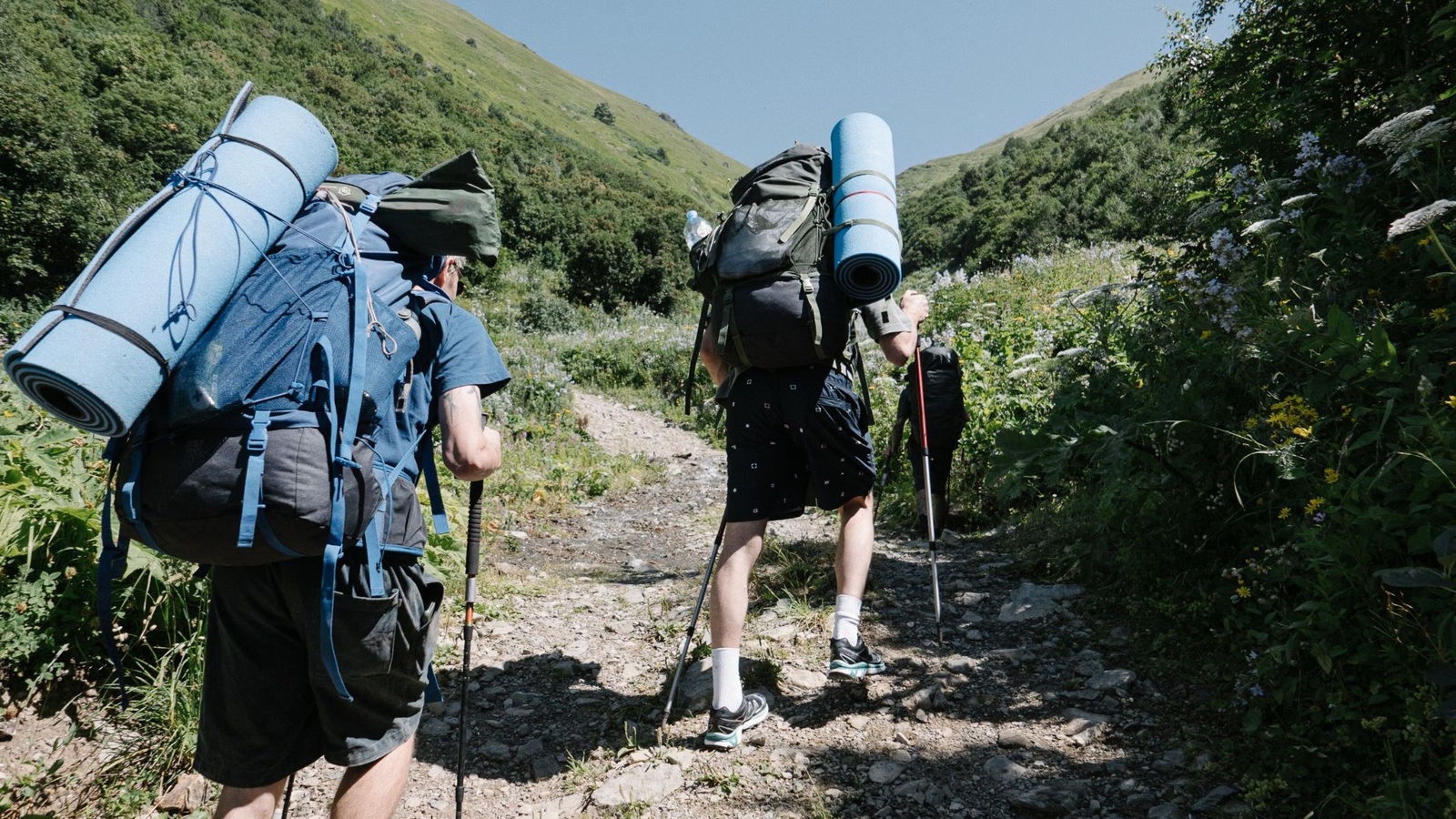
- A sturdy bag for your own rubbish and any small bits of litter you find along the way
- A refillable water bottle instead of a single-use one
- An offline map or navigation app suited to the route
- Suitable layers for changes in the weather
- A small first aid kit
- A waterproof case or protective pouch for your phone
- Basic toilet supplies that follow the local rules
- A head torch in case you end up out after dark
The point of these items isn’t to weigh down your pack for no reason. It’s to make it less likely that you’ll be caught unprepared and have to make unplanned decisions during the walk.
Do small steps really make a difference?
The things we’ve listed above might seem minor to you. You might find yourself thinking, “Once won’t hurt.” And yes, something you do on your own, or just the once, might not look like a big problem from where you’re standing.
But when everyone who visits nature repeats the same behaviour, the combined impact grows. What we’re after here is for everyone to act a bit more responsibly, so that together we increase the positive impact. It makes more sense to see Leave No Trace not as a strict list of rules, but as a simple way of thinking you can use when making decisions outdoors.
Here’s a question you can ask yourself:
“If everyone did this, how would this place change?”
More often than not, your answer will point you to the right thing to do.
Final thoughts
When we head outdoors, what we really want is to get a little closer to nature. But while we do that, we need to leave the place unchanged and give the people who come after us the same experience. It might not be possible to get everything right on every walk. Sometimes we’ll take a wrong turn, stop for a break in the wrong spot or forget something we should have packed.
What matters is not to shrug these mistakes off, but to be better prepared on the next walk. Nature isn’t ours. It’s a shared home where we’re only guests for a short while.
Leaving nothing but footprints when we pack up is a good start. So what’s the bad habit you come across most often on the trail?
Leave No Trace matters even more at big, crowded events. You’ll find events you might want to take part in on our trail race calendar.
If you’d like to factor in how much energy you’ll burn when planning your route, the walking calorie calculator will do the job.