
When Did Running Get So Expensive?
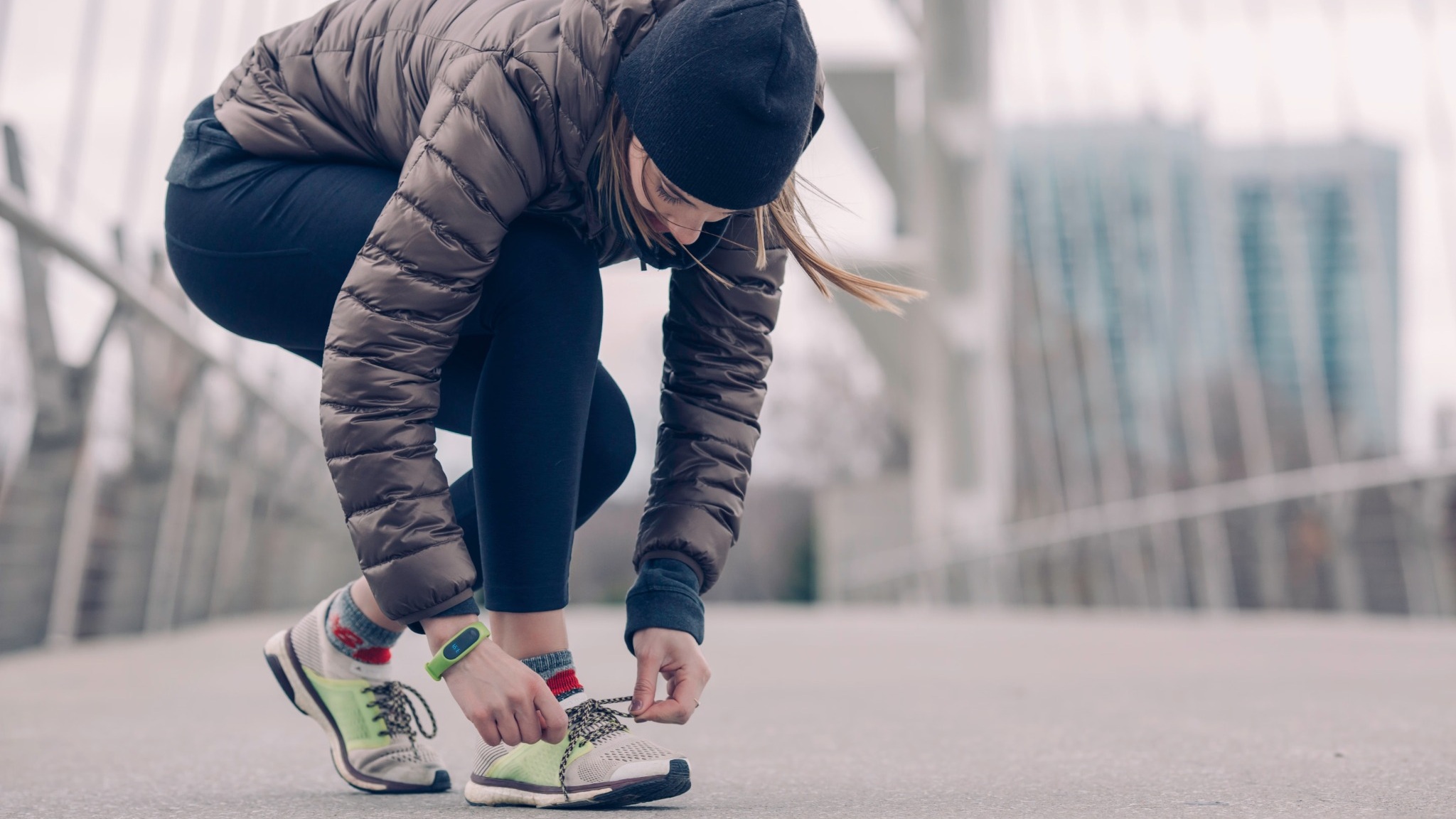
When I was a kid, it never crossed my mind that running could get this expensive. Fast-forward to today. You decide to run your first 5K, pull out your phone and look for a pair of running shoes. Suddenly there are dozens of brands and models, and the prices are all over the place. Then there are the clothes, the watch, the rest of the gear. That simple thought you started with, I’ll just go for a run, starts to fade. And if you have friends who run, there’s a good chance a race link lands in the group chat while you’re still looking at shoes. Apparently, early registration closes on Sunday.
It’s easy to get a little ahead of yourself. You don’t know if you’ll run regularly yet, but you’re already thinking about signing up for a race. Meanwhile, someone’s heading out for half an hour along the waterfront in a T-shirt they bought last summer and the same shoes they’ve been running in for months. You’re both getting into the same sport. You’re just seeing different sides of it. In Türkiye, you can see that difference on a shoe shelf and a race registration page. To understand why running feels so expensive, it helps to go back a few years.
When did the top shelf get so crowded?
If you had to pick a date, May 6, 2017, would be a good place to start. That day, Eliud Kipchoge ran the marathon distance in 2 hours and 25 seconds at Monza as part of Nike’s Breaking2 project. The goal was to go under two hours. Kipchoge and the other runners wore Vaporfly Elite prototypes developed for the attempt. The shoes became part of the story, and suddenly a lot more runners were talking about the foam and carbon plates under their feet. (Nike)
Walk into a running store today and you’ll probably see separate shelves for daily trainers and race shoes. The price tags tell the story. In November 2026, Advenway’s Turkish shoe catalogue listed the entry-level Puma Darter Pro at 3,509 TL and the race-ready Deviate Nitro Elite 4 at 16,999 TL. Same brand, almost five times the price. That’s a snapshot of how wide the range is today. To work out how much more expensive running has become over time, you’d need to compare similar products and look at how purchasing power has changed. The appeal of a race shoe is easy to understand. You’ve trained for months and want to wear something special on race morning. But if you’ve just started running around your neighbourhood three times a week, you’re probably asking simpler questions. Do the shoes pinch? Are they comfortable on the surface you usually run on? Do they still feel good half an hour in? If a pair within your budget ticks those boxes, you’re set for now.
The more we see of running, the more gear we see
According to Strava’s 2024 report, participation in running clubs on the platform grew by 59% worldwide. That figure covers clubs on Strava, and it’s easy to see how things can snowball once you join a running group. You meet people and try routes you’d never have found on your own. Going straight home after work sounds tempting, but someone’s expecting you, so you show up for the run. Before long, you’re working out whose car to take to a race in another city. (Strava) Those trips, new shoes and finish-line photos are also the bits we see most on social media. When you spend half an hour jogging around your usual park on a Tuesday evening, it might never occur to you to post about it. Open your feed, though, and it can feel like everyone’s racing somewhere every Sunday.
Most purchases sound reasonable on their own. Checking your distance on your wrist is handy. If you run after dark in winter, something that makes you easier to see can be worth buying. If your phone bounces around with every step, a pair of shorts with a pocket that holds it in place makes an immediate difference. Put all of that in your basket before you know where or how often you’ll run, and the total climbs pretty quickly.
The entry fee is the first line of the weekend budget
For the 42K at the 2026 Istanbul Marathon, the published entry fee started at 750 TL and rose to 1,400 TL in the final registration period. That’s a 650 TL difference for the same race, depending on when you signed up. If your calendar’s clear, registering early can save you that money. Sign up because the discount ends on Sunday and you might find out later that you can’t make it that weekend. (Istanbul Marathon)
Then there are the costs you don’t see at checkout. If you live in Istanbul, you still have to figure out how you’ll pick up your race kit and get to the start. If you’re coming from out of town, add a bus or plane ticket, somewhere to stay and a few meals out. Two people can run side by side after paying the same entry fee and go home having spent very different amounts. Of course, you get something for that fee. You can run on roads normally open to traffic, follow a marked route and pick up water along the way. There’s also the pleasure of finishing a distance you’ve spent months training for with a crowd around you. Adding the rest of the weekend’s costs to the entry fee makes it easier to decide which races you want to pay for. You might decide to put the money you’d spend on a few familiar events towards the one course you’ve been curious about for years.
Spend according to where you run
If you head to the waterfront for a few short runs each week, you can start with the clothes you already own and a comfortable pair of shoes that suits the surface. If all you want to know is how many minutes you ran, your phone’s stopwatch will do. If you’re out before sunrise, something that helps people see you might come higher on the list. And if there’s nowhere to refill a bottle on your summer route, the thing you’ll use most might be a comfortable way to carry water. “Just step outside and run” sounds simple. If there’s a park nearby where you feel comfortable running, it really can be that simple. If you need to take public transport to reach a route you’re happy to run in the evening, there’s a cost to that too. With suitable shoes and clothes already at home, you might get through your first month without buying anything. If you’re starting from scratch, a pair of shoes alone can cost several thousand lira.
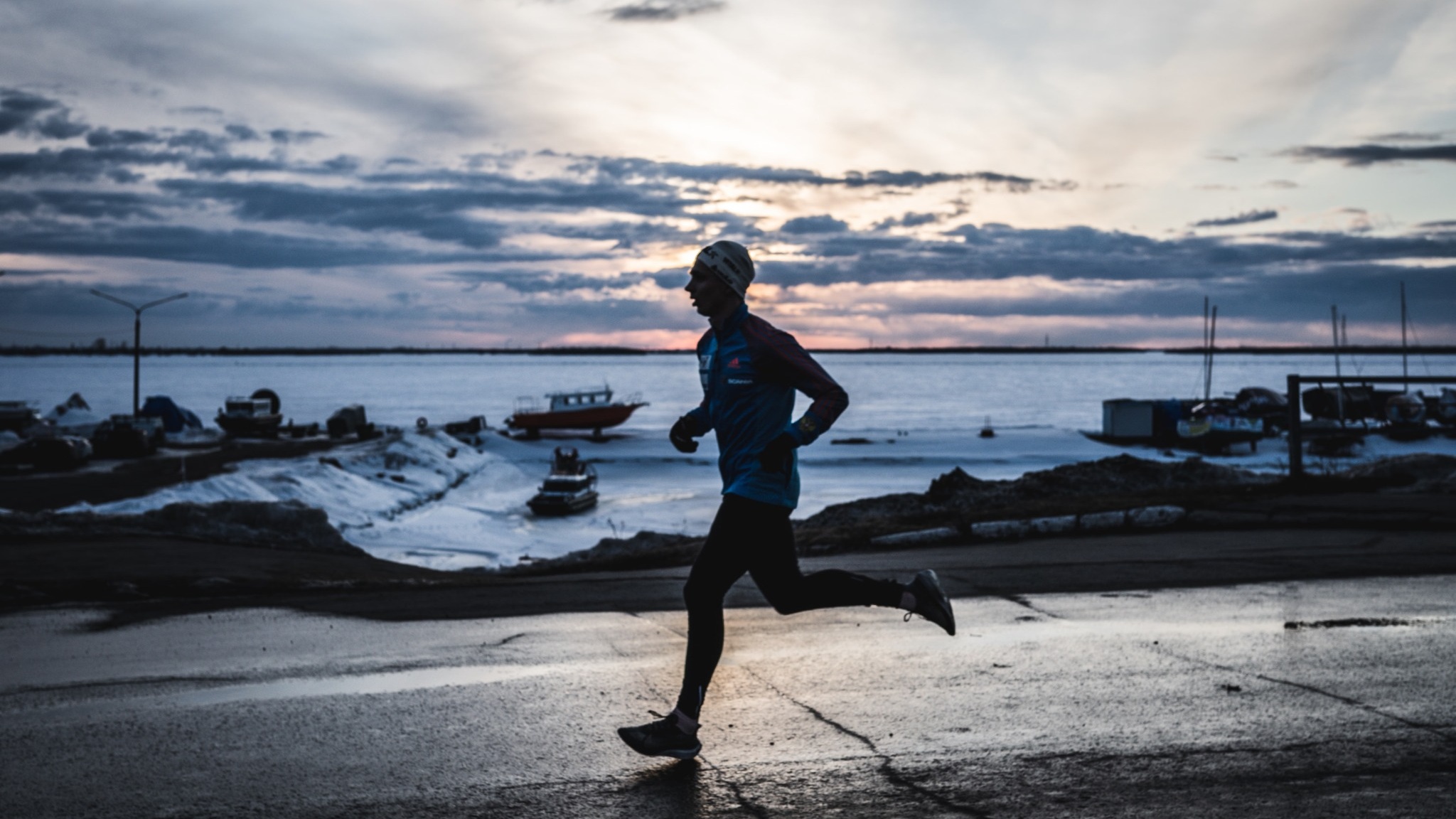
Before you buy something, try asking “What would this have helped me with on my last few runs?” If you’re tired of holding your phone every time, shorts with a secure pocket make sense. If running with your phone feels fine, the watch can wait a little longer. And sometimes you buy something simply because you like it. That’s part of having a hobby too.
Put a run in your calendar first
It’s surprisingly easy to do next month’s shopping before you’ve been out for your first run. An entry for a race you might do, gear for a distance you haven’t tried, an app subscription for features you may never use. A few runs will usually give you a better idea of which of those things would actually come in handy.
Pick a day and a route for next week. If you need shoes, try them on with that route in mind. If you’ve got a race in mind, add travel and, if you need it, accommodation to the entry fee. Then head out one evening and see how it goes. If you get home thinking, I’d run that route again on Thursday, you’ve already done the most important bit of planning for your next run.